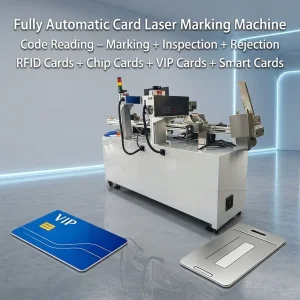
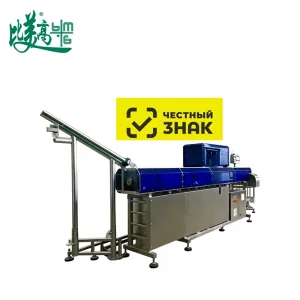
Explore our flagship integration systems configured specifically to meet the high speed, precision, and compliance needs of UK packaging lines, food and beverage producers, and pharmaceutical plants.
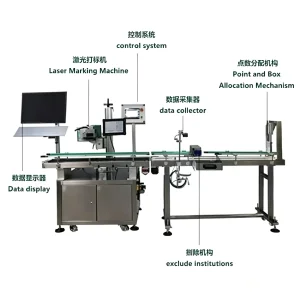
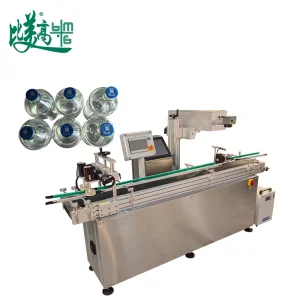
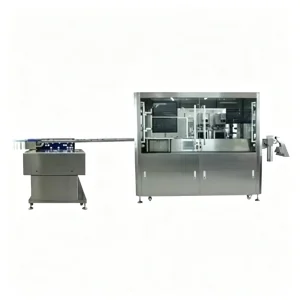
The industrial landscape in the Greater London area and its surrounding corridors (such as the Thames Gateway, M4 Corridor, and Park Royal) is undergoing a major technological transformation. Historically associated with classical logistics and basic packaging, London's manufacturing focus has shifted towards advanced automated FMCG (Fast-Moving Consumer Goods), specialist pharmaceutical fabrication, aerospace component supply chains, and high-performance electronics. The demands of this modern environment require precise, immutable product markings that survive rigorous handling and comply with stringent regulatory frameworks.
For London operators, direct part marking (DPM) and high-speed inline coding are no longer optional extras; they are core requirements for factory acceptance. Industrial systems must integrate directly into legacy setups, communicating natively with PLCs, warehouse management systems (WMS), and enterprise resource planning (ERP) platforms. Whether coding onto glass jars in local food processing facilities, marking high-integrity metal parts for precision aerospace structures, or engraving high-contrast data matrices on pharmaceutical blister packs, systems require unparalleled optical beam quality, exceptional uptime, and robust construction to perform consistently in 24/7 production settings.
"The Greater London industrial market demands absolute reliability. Real-time logging, zero-defect vision verification, and high-duty-cycle lasers are essential requirements to prevent costly production line stoppages."
The field of laser material processing is evolving rapidly. To keep pace, manufacturers are integrating different laser wavelengths and pulse control features, optimizing machines for high-precision marking across varied materials.
Looking ahead, the integration of edge AI and machine vision represents the next major step in laser marking technology. Vision-guided lasers can detect a component's position dynamically, adjusting the optical focal length and beam alignment in real time. This ensures sharp, properly positioned codes on curved or irregular surfaces without needing complex mechanical fixtures.
For modern factories, a laser marker should not operate as an isolated machine. It must integrate as a connected component within a wider automation system. Kinray Laser designs custom material handling systems that bridge the gap between laser sources and assembly lines:
Pharmaceutical & Medical Device Verification: Operating under tight regulatory oversight, drug and medical device lines must meet zero-error criteria. Our integrated solutions pair high-power UV or fiber lasers with inline vision systems. These lines feed products, execute high-resolution markings, and immediately read the code using OCR/OCV systems. If the code fails readability checks, pneumatic reject systems remove the item, while logging data to the enterprise ERP.
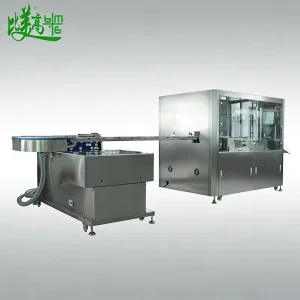
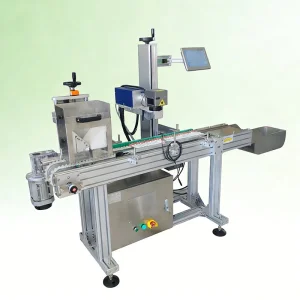
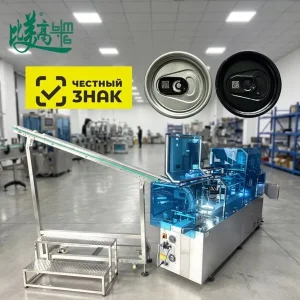
FMCG, Cans & High-Speed Bottling: Modern beverage lines run at high speeds, meaning mechanical coding systems can quickly become bottlenecks. Kinray's continuous flying marking configurations align with existing conveyor lines, tracking linear speeds automatically via rotary encoders. This allows for high-precision codes on aluminum can bases, PET necks, and crown caps without stopping or slowing down the product flow.
Vibratory Bowl & Robotic Part Feeding: For small, bulk components, manual feeding is slow and costly. We integrate automated vibratory bowl feeders, pick-and-place gantry systems, and multi-axis articulated robots with laser enclosures. This setup allows bulk components to be loaded, separated, marked, verified, and sorted automatically with minimal operator oversight.
High-speed industrial performance measured in real-world efficiency gains, optical precision, and global support networks.
Deploying laser machinery in the London area and across the UK requires strict adherence to local safety and environmental standards. Under the current UKCA (UK Conformity Assessed) and CE frameworks, industrial laser installations must meet clear electromagnetic compatibility, electrical safety, and machine safety guidelines. Kinray Laser systems are engineered to comply with these regulations, including:
To support overseas partners, we work with specialized automation integrators and technicians in the UK. This network provides local support, including installation assistance, laser safety audits, replacement parts, and emergency on-site support, ensuring high system uptime for your production lines.
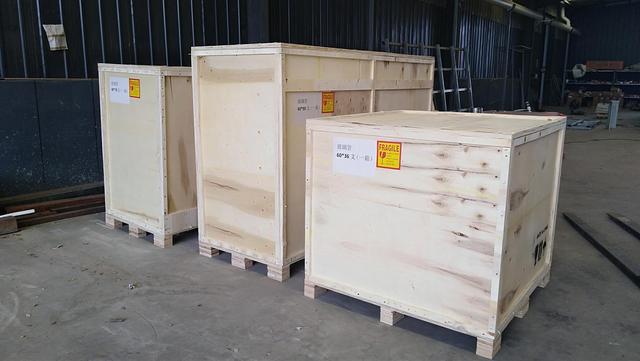
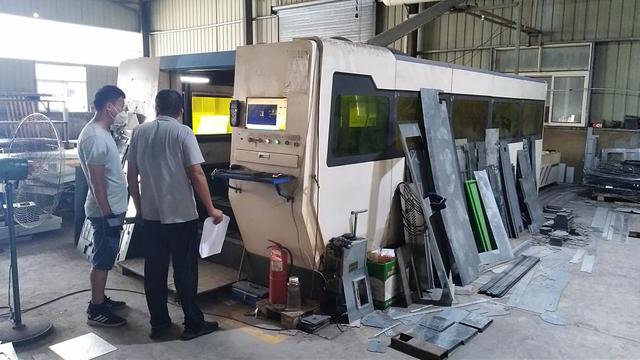
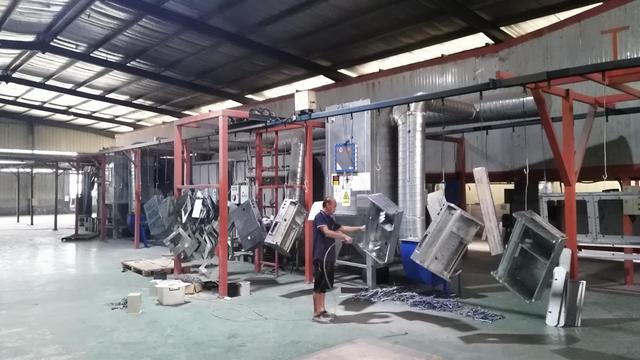
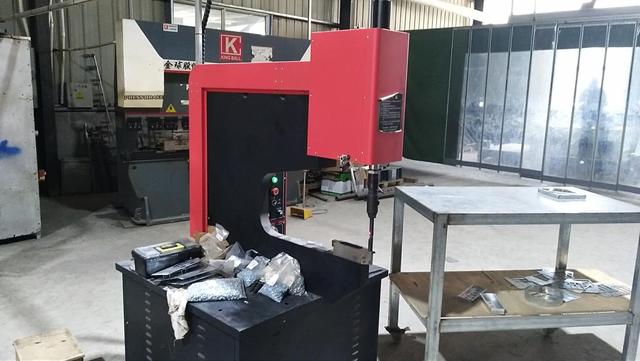
Based in Hangzhou's high-tech manufacturing corridor, Hangzhou Kinray Laser Co., Ltd. operates a modern production facility focused on precision engineering and efficiency. By applying China's advanced Factory 4.0 principles, we combine structured manufacturing workflows with automated testing. Our operations feature:
This systematic approach allows us to deliver high-quality, long-lasting industrial laser equipment at competitive price points, providing excellent return on investment for distributors and manufacturing partners globally.
A comprehensive portfolio of industrial marking workstations, ultrafast laser sources, and customized automatic feeding systems engineered for the global market.
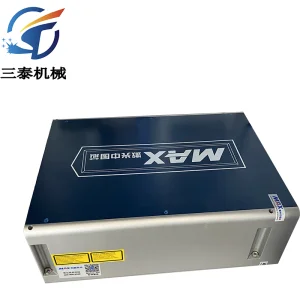
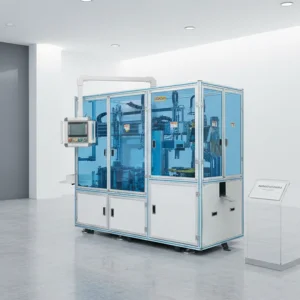
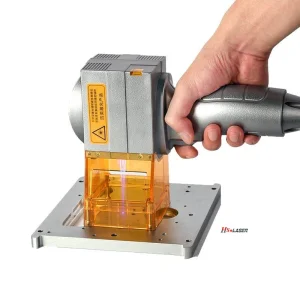
Purchasing capital equipment requires balancing technical specifications with procurement considerations. As a key supplier, Kinray Laser supports global procurement teams, engineering consulting firms, and system integrators with dedicated commercial and technical support, offering:
By pairing local knowledge with our manufacturing base, Kinray Laser offers a balanced approach, delivering reliable, high-performance laser marking solutions configured for your market.
Detailed answers to key engineering and integration questions about deploying laser markers in automated manufacturing environments.
Hangzhou Kinray Laser Co., Ltd. is a leading China industrial laser marking machine manufacturer specializing in advanced fiber and UV laser solutions for global manufacturing industries. With a strong focus on innovation, precision, and intelligent manufacturing, Kinray Laser is committed to delivering high-performance laser equipment that improves production efficiency, product traceability, and marking quality.
Located in Hangzhou, China, the company integrates research and development, manufacturing, sales, and technical support to provide comprehensive laser processing solutions for customers worldwide. Our extensive product portfolio includes fiber laser marking machines, UV laser marking machines, CO2 laser marking systems, MOPA laser markers, flying laser marking machines, 3D laser marking equipment, and customized automated laser solutions.
Kinray Laser products are widely used in electronics, automotive, medical devices, precision hardware, jewelry, packaging, aerospace, consumer goods, and industrial manufacturing industries. Designed for high-speed, high-precision, and permanent marking applications, our systems are capable of processing a wide range of materials, including metals, plastics, ceramics, glass, and composite materials.
Equipped with advanced production facilities and rigorous quality management systems, Kinray Laser maintains strict quality control throughout every stage of manufacturing. Each machine undergoes comprehensive testing to ensure stable performance, reliability, and compliance with international standards.
To support global customers, we offer flexible OEM and ODM services for distributors, system integrators, equipment brands, and industrial manufacturers. Our experienced engineering team works closely with customers to develop customized laser solutions tailored to specific production requirements, automation needs, and industry applications.
Driven by technological innovation and customer satisfaction, Hangzhou Kinray Laser Co., Ltd. continues to expand its global presence and strives to become a trusted partner for intelligent laser processing solutions, helping manufacturers achieve smarter, more efficient, and sustainable production.
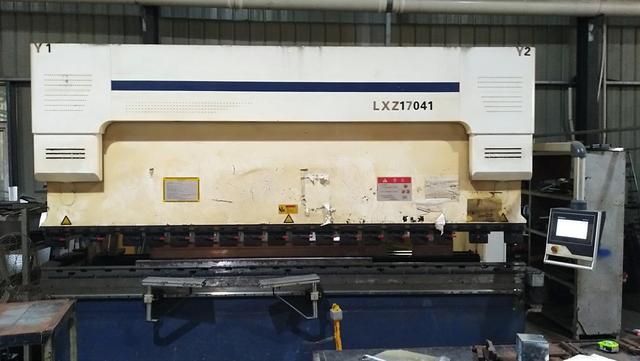
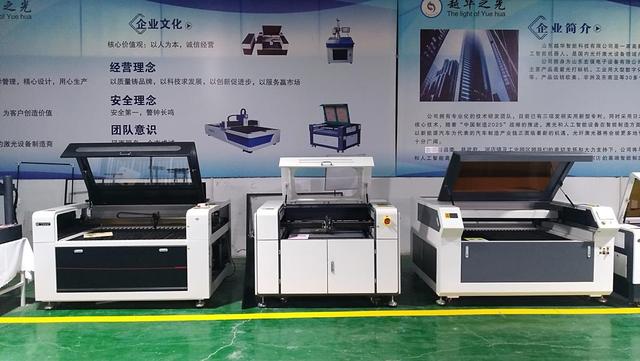
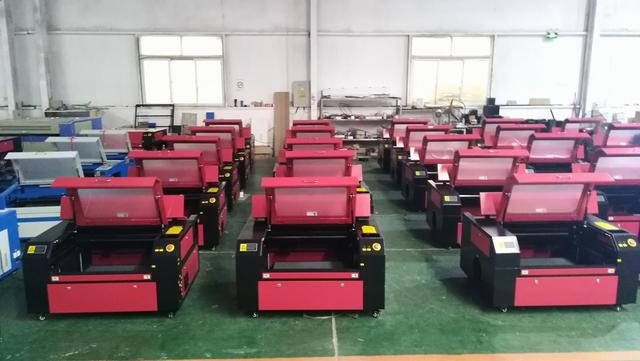
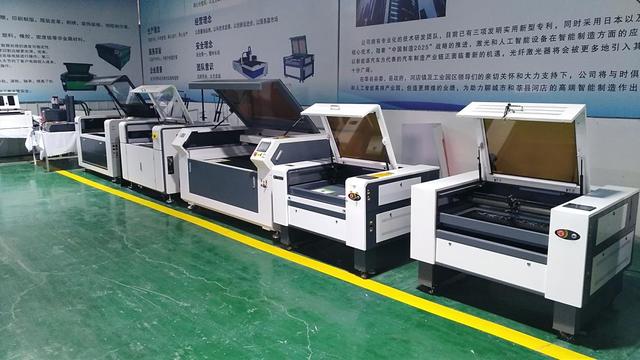
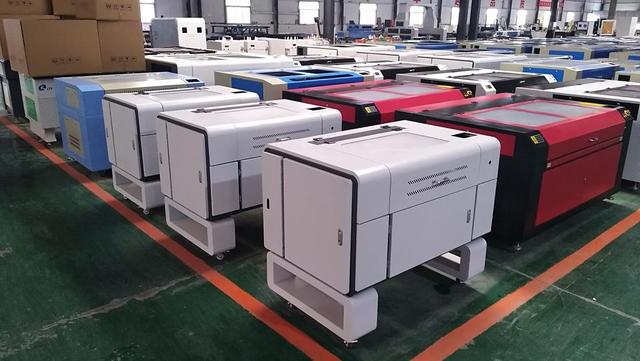
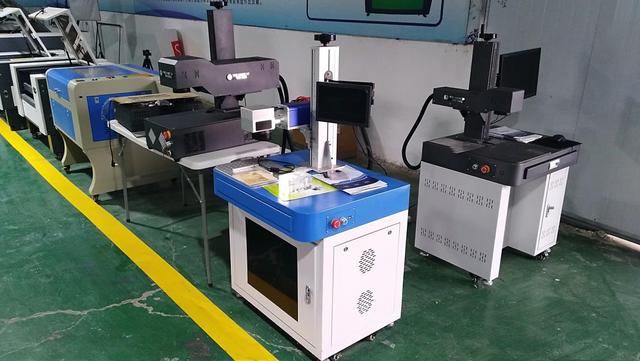
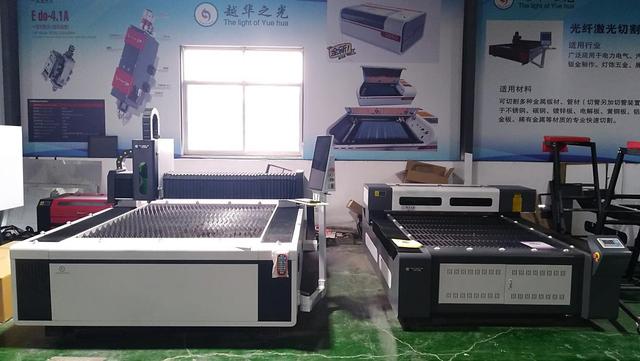
Explore more automated marking systems, multi-station verification units, and specialized static desktop markers designed to complete your production workflow.


Get in touch with our engineering team for custom drawings, system footprints, compatibility advice, and OEM price quotes.
Send Inquiry Now Kinray Laser