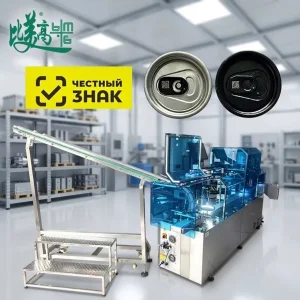
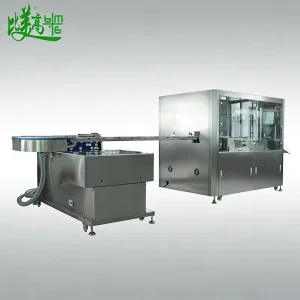
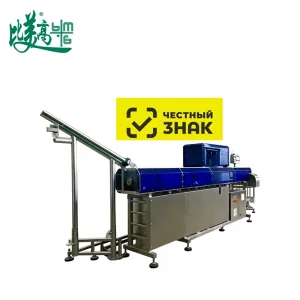
Our premier line of integrated laser coding solutions engineered to replace obsolete inkjets, optimize cycle time, and guarantee direct-part marking traceability under Indonesia's stringent BPOM regulations.
The Greater Jakarta region, encompassing DKI Jakarta, Bekasi, Tangerang, Depok, and Karawang (often termed the Jabodetabek industrial hub), acts as the economic engine of Indonesia. Hosting major industrial complexes such as MM2100, Jababeka, Karawang International Industrial City (KIIC), and Pulogadung, the region has transitioned rapidly from labor-intensive assembly to advanced, high-speed automated manufacturing.
This massive industrial shift brings strict regulatory demands and structural bottlenecks. In the Food & Beverage (F&B), pharmaceutical, and personal care sectors, Indonesia's BPOM (Badan Pengawas Obat dan Makanan) enforces complete compliance with product serialization, batch identification, and barcode verification. In parallel, automotive components and electronics manufacturers must meet SNI (Standar Nasional Indonesia) and global export standards for permanent marking and readability under high-stress operating environments.
Traditional coding methodologies, such as continuous inkjet (CIJ) printing, are facing severe bottlenecks. Inkjet consumables represent a massive annual operational expenditure, and the volatile organic solvents involved violate modern green initiatives and clean-room requirements. Furthermore, inkjet nozzle clogs lead to unplanned downtime, degrading overall equipment effectiveness (OEE). The deployment of Integrated Laser Marking Systems eliminates consumables, lowers maintenance overheads, and guarantees permanent marking that cannot be smudged, altered, or forged.
As a leading China industrial laser marking machine manufacturer, Hangzhou Kinray Laser Co., Ltd. leverages China's highly integrated supply chain ecosystem to offer advanced fiber, UV, and CO2 laser solutions. By managing the entire technological pipeline—from R&D and precision structural engineering to optics calibration and automation integration—we bridge the gap between premium global technical standards and cost-efficiency.
Through the Regional Comprehensive Economic Partnership (RCEP), Indonesian manufacturing enterprises and system integrators can procure our custom solutions with optimized import duties and streamlined shipping corridors directly from our manufacturing facility in Hangzhou to the Port of Tanjung Priok, Jakarta.
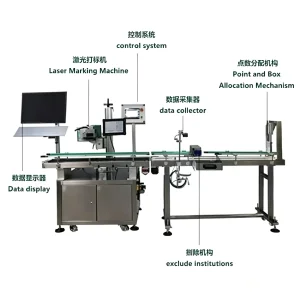
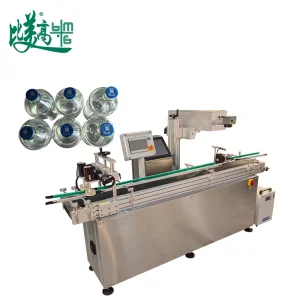
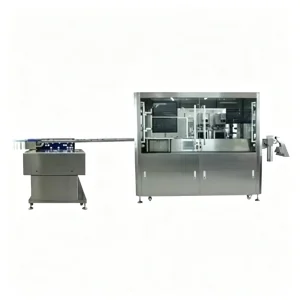
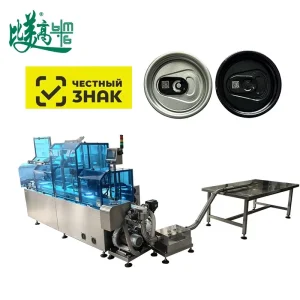
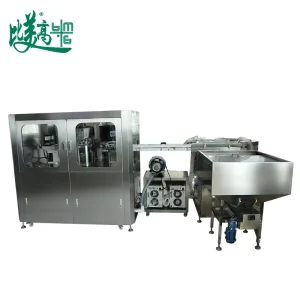
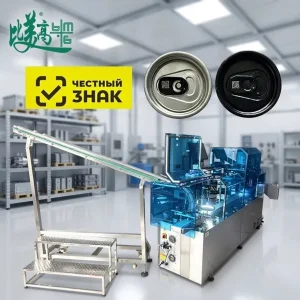
We do not just sell standalone machinery. Our core competency lies in delivering integrated production-ready sub-systems. Whether you run a high-speed metal cap line, glass bottling conveyor, or high-capacity cosmetic container line, we customize product feeding, optical sorting, code marking, real-time inspection, and pneumatic rejection into a unified, PLC-controlled industrial framework. Our engineering team designs tailor-made mechanics to fit the specific physical footprint of your Jakarta assembly plants.
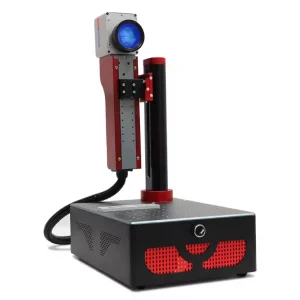
Below is our selection of advanced high-performance laser integration modules designed for deep production line incorporation, featuring advanced robotic linkages and ultrafast sub-nanosecond pulse engines.
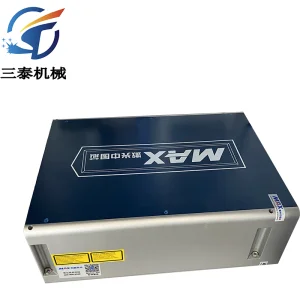
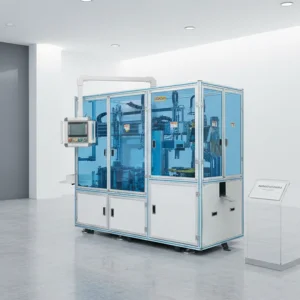
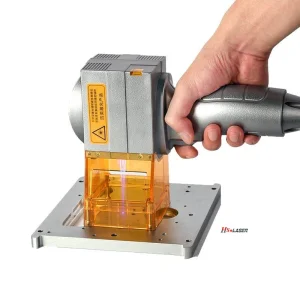
In modern industrial plants in Tangerang or Bekasi, a standalone marking system is no longer sufficient. Enterprise system layouts require integration into manufacturing execution systems (MES) and enterprise resource planning (ERP) databases. Hangzhou Kinray Laser meets this demand by configuring advanced communications pipelines:
Choosing the correct wavelength is critical for material integrity and marking contrast:
| Technology | Wavelength | Primary Material Targets | Jakarta Market Application |
|---|---|---|---|
| Fiber Laser | 1064 nm | Metals, Hard Plastics | Automotive parts, electronics, tinplate milk powder cans. |
| UV Laser | 355 nm | Glass, Delicate Polymers | Pharmaceutical ampoules, high-density polyethylene cosmetic caps. |
| CO2 Laser | 10.6 µm | Paperboards, Glass, Wood | Corrugated outer packing cartons, structural timber marking. |
Hangzhou Kinray Laser Co., Ltd. is a leading China industrial laser marking machine manufacturer specializing in advanced fiber and UV laser solutions for global manufacturing industries. With a strong focus on innovation, precision, and intelligent manufacturing, Kinray Laser is committed to delivering high-performance laser equipment that improves production efficiency, product traceability, and marking quality.
Located in Hangzhou, China, the company integrates research and development, manufacturing, sales, and technical support to provide comprehensive laser processing solutions for customers worldwide. Our extensive product portfolio includes fiber laser marking machines, UV laser marking machines, CO2 laser marking systems, MOPA laser markers, flying laser marking machines, 3D laser marking equipment, and customized automated laser solutions.
Kinray Laser products are widely used in electronics, automotive, medical devices, precision hardware, jewelry, packaging, aerospace, consumer goods, and industrial manufacturing industries. Designed for high-speed, high-precision, and permanent marking applications, our systems are capable of processing a wide range of materials, including metals, plastics, ceramics, glass, and composite materials.
Equipped with advanced production facilities and rigorous quality management systems, Kinray Laser maintains strict quality control throughout every stage of manufacturing. Each machine undergoes comprehensive testing to ensure stable performance, reliability, and compliance with international standards.
To support global customers, we offer flexible OEM and ODM services for distributors, system integrators, equipment brands, and industrial manufacturers. Our experienced engineering team works closely with customers to develop customized laser solutions tailored to specific production requirements, automation needs, and industry applications.
Driven by technological innovation and customer satisfaction, Hangzhou Kinray Laser Co., Ltd. continues to expand its global presence and strives to become a trusted partner for intelligent laser processing solutions, helping manufacturers achieve smarter, more efficient, and sustainable production.
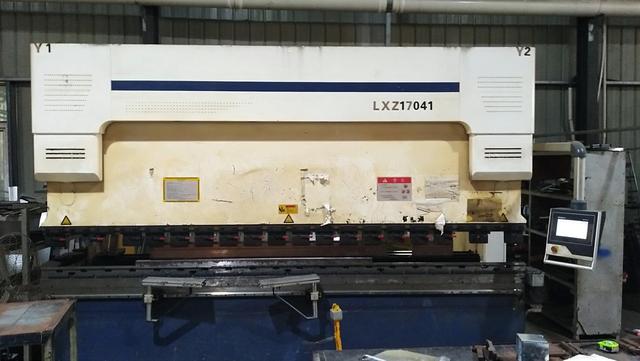
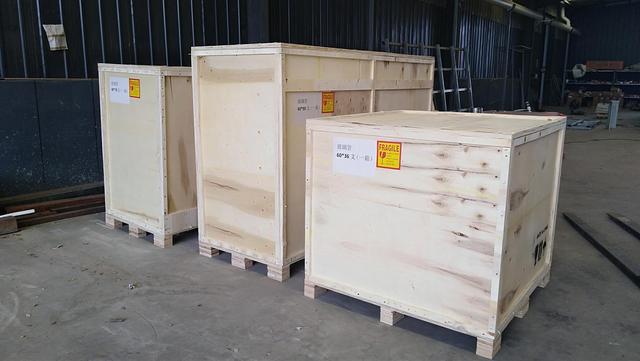
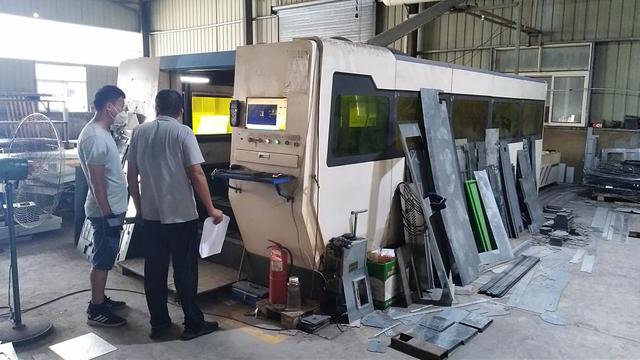
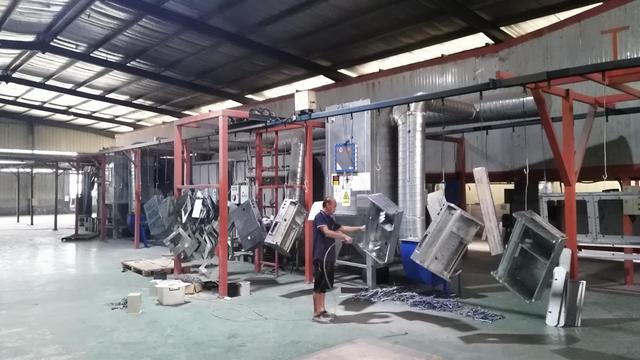
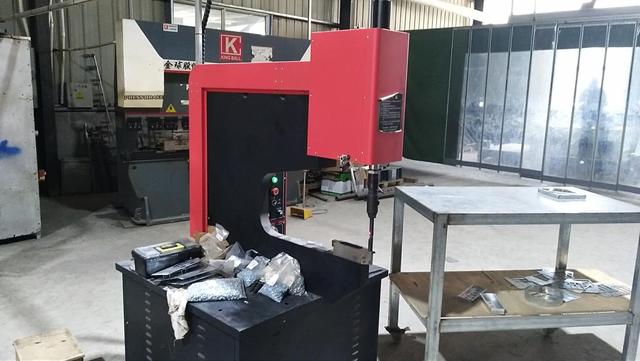
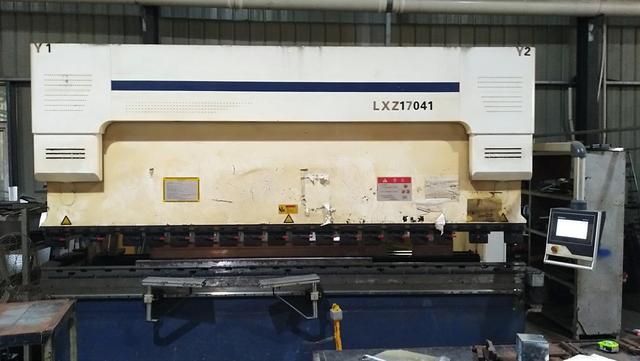
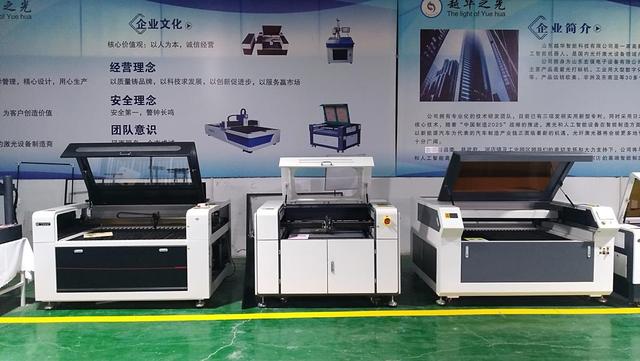
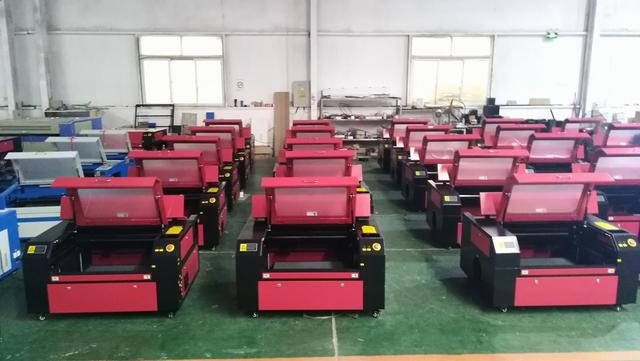
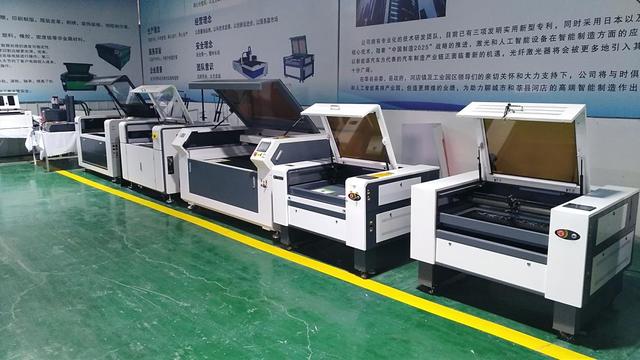
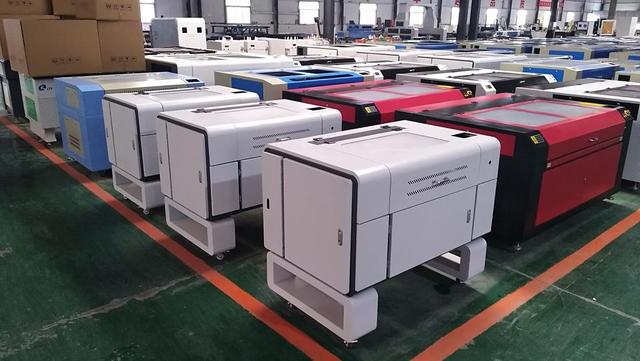
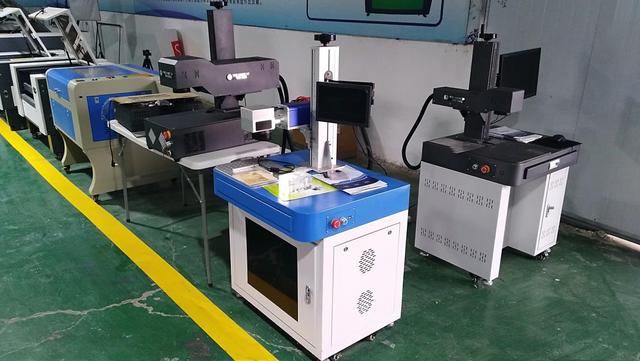
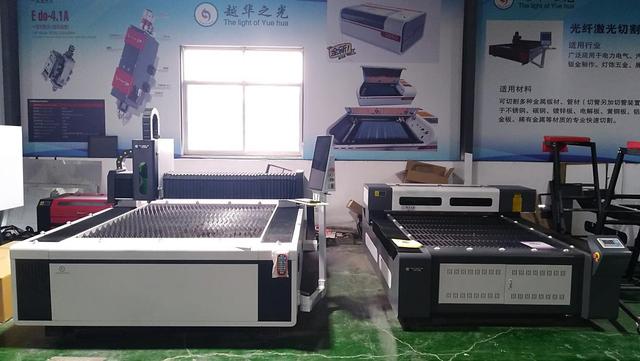
The following integrated industrial models represent our extensive portfolio. Each system configuration features specialized material feeding systems, optical character checking, and localized software interfaces.
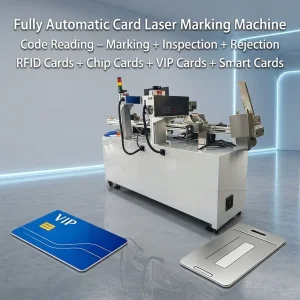
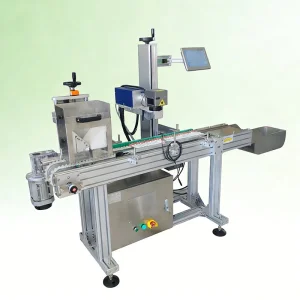
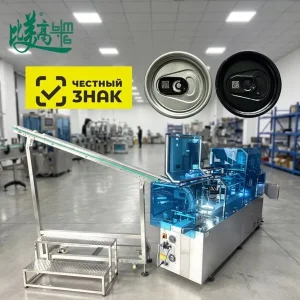
Get in touch with our team today to discuss custom system integration, request sample processing tests, or obtain a detailed quote.
Send Inquiry Now Kinray Laser