Explore our top-performing laser machinery designed for continuous manufacturing cycles, automated inspection, and permanent material engraving.
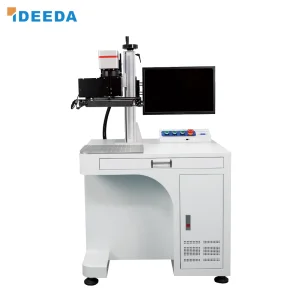
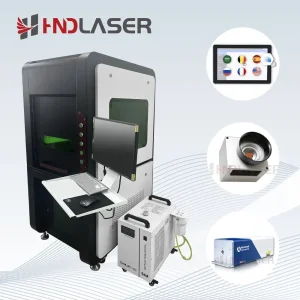
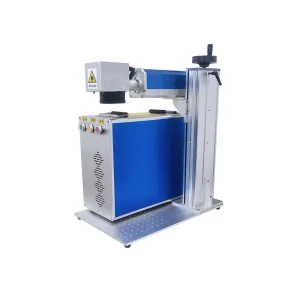
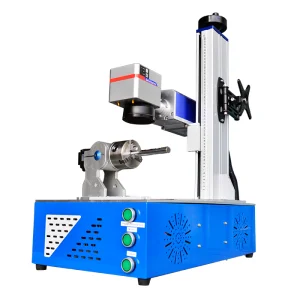
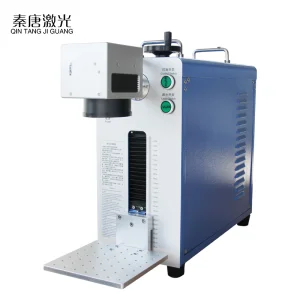
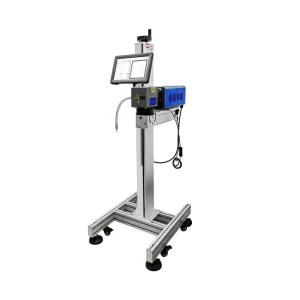
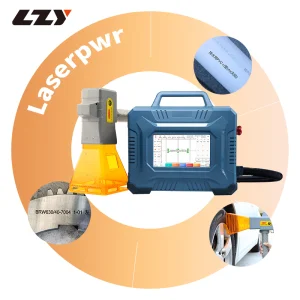
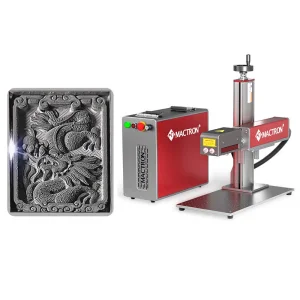
Industrial laser systems are shifting from standalone etching equipment to fully integrated, intelligent processing nodes within the modern smart factory. As demand grows for sub-micron tolerances, real-time tracking, and green manufacturing protocols, retrofitting production setups is essential for remaining competitive. Hangzhou Kinray Laser Co., Ltd. leads this movement, supplying high-performance fiber, UV, and CO2 laser marking and engraving systems to factories globally.
Upgraded laser units offer key benefits: improved energy efficiency, reduced maintenance intervals, and smart software compatibility (such as OPC UA). With these features, systems link directly with Enterprise Resource Planning (ERP) and Manufacturing Execution Systems (MES). By upgrading, factories achieve automated parts serialization and quality inspection on the line, paving the way for complete product traceability.
Meet strict FDA, CE, and ISO directives with crisp 2D DataMatrix and barcode serialization. These permanent marks remain clear through aggressive surface cleanings, chemical washdowns, and wear.
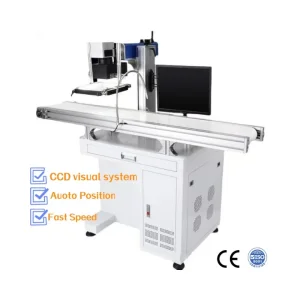
Avoid manual alignment errors. Integrated CCD cameras detect part placement dynamically, making it easy to run automated, hands-free production lines.
Use MOPA and UV pulse configurations to protect delicate materials. These models prevent micro-cracking and material deformation, even on sensitive substrates.
How localized manufacturing advantages and advanced component integration establish Kinray as a premier global laser partner.
Kinray Laser's strategic location in Hangzhou, China, places it at the center of the world's most robust electronics and optical component ecosystem. Direct sourcing of high-stability laser diodes, advanced galvo scanners, and customized f-theta lenses allows us to control costs without sacrificing technical performance.
Our factory follows ISO 9001:2015 standards. Every system goes through at least 72 hours of continuous laser emission testing, temperature stress checks, and optical alignment calibration. This ensures out-of-the-box reliability and stable operation from day one.
Our facilities support high-volume OEM/ODM projects alongside bespoke specialized machinery builds. With an integrated component supply chain, we deliver custom-configured laser systems up to 35% faster than Western competitors.
From microelectronic cold ablation to robust heavy industry deep engraving, our systems scale to your specific production demands.
| Sector / Vertical | Common Materials | Recommended Laser System | Primary Industrial Advantages |
|---|---|---|---|
| Consumer Electronics | FR4, PCB, Anodized Al, Polycarbonates | High-Resolution UV Laser System | Zero carbonization, clean edge cuts, high contrast on thin polymers. |
| Automotive & E-Mobility | Structural Steel, Cast Alloys, Copper, PEEK | 100W MOPA / High-Power Fiber Laser | Deep casting engraving, high heat resistance, readable VIN coding. |
| Medical & Surgical Devices | Medical SS316L, Titanium, Bio-polymers | Picosecond / Nanosecond UV / MOPA Laser | Corrosion-proof passivated markings, zero chemical additions. |
| Packaging & Fast-Moving Goods | PET, Glass, HDPE, Duplex Paperboards | Online Flying Fiber / CO2 Laser | High-speed dynamic marking (up to 300m/min) for packaging lines. |
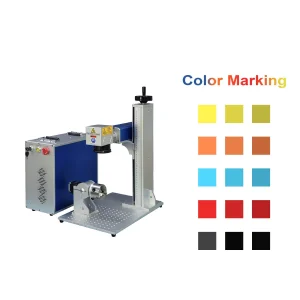
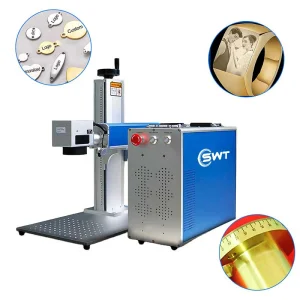
| Jewelry & Watchmaking | Gold, Sterling Silver, Platinum, Brass | MOPA Fiber Laser with Rotary Attachment | Vibrant color marking on steel, deep precious metal engraving. |
Our R&D roadmap focuses on adding intelligent features directly to the physical system. By embedding AI-guided vision processing, our marking units dynamically adjust focus and laser parameters for each part, compensating for raw material variations automatically.
MOPA (Master Oscillator Power Amplifier) tech is a major step forward, giving operators precise control over pulse durations (from 2ns to 500ns) and frequency ranges. This prevents thermal damage and allows color-marking on stainless steel, titanium, and dark markings on anodized aluminum.
Our engineering priorities focus on industrial automation and integration:
Integrating live power sensors that adjust output dynamically to offset optic degradation over time.
Automatic code verification directly after marking. Bad marks are flagged and rejected instantly.
Turnkey cells that coordinate with gantry loaders and heavy robotics, reducing human intervention to zero.
We manufacture our systems to match international industrial norms, ensuring smooth deployment in European and American production plants.
All laser export configurations are fully CE and RoHS compliant, and feature FDA CDRH Class 1 or Class 4 electrical protection setups, including safety interlocks, emergency stop loops, and dual-channel safety relays.
We maintain warehouses stocked with essential optical spares, replacement power supplies, galvos, and controller cards. This keeps your downtime low and speeds up repair turnarounds.
Our specialized engineering team supports remote diagnostics, commissioning guidance, and custom API creation to link laser platforms directly with custom databases and MES software.
Explore our state-of-the-art production environments, precision alignment stations, and testing facilities.
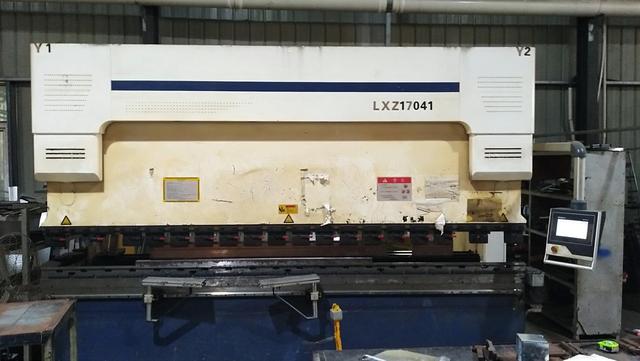
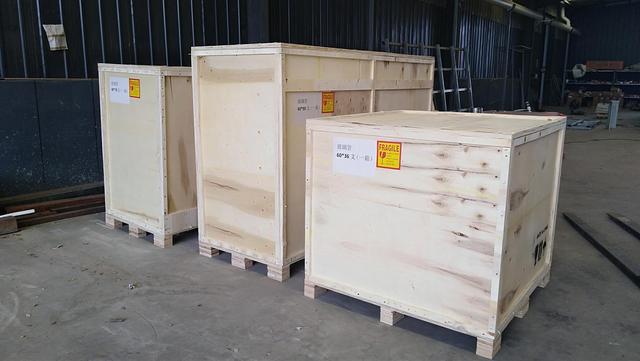
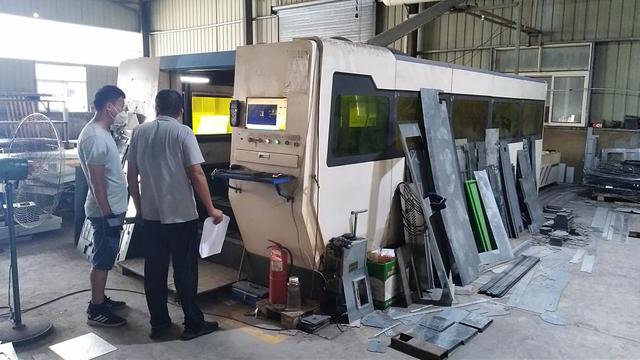
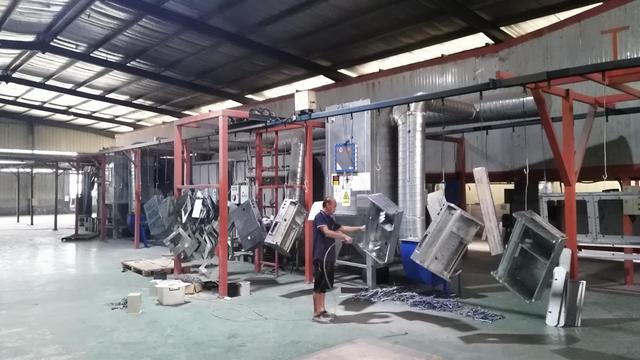
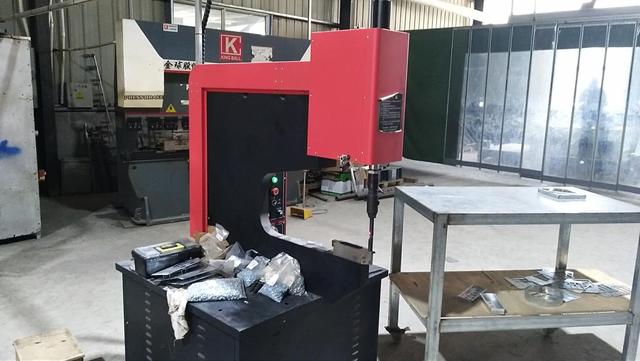
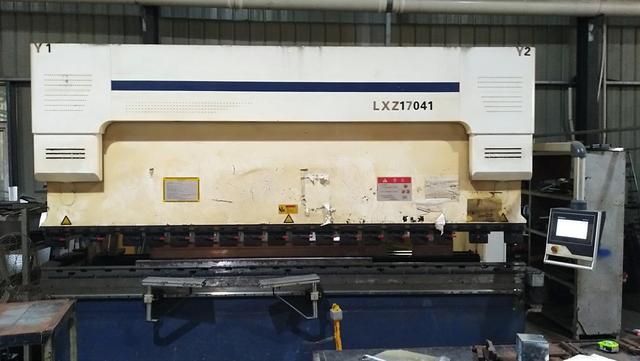
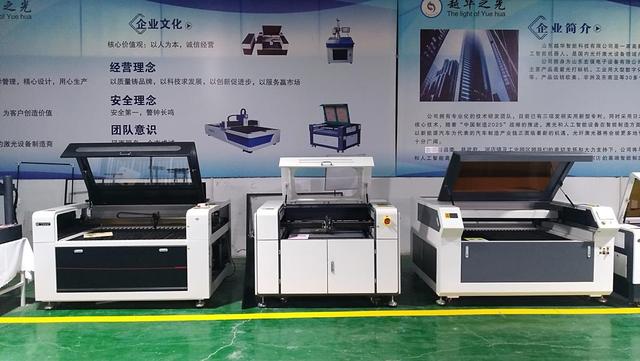
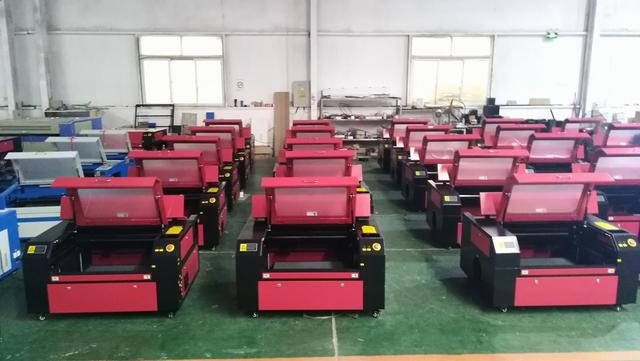
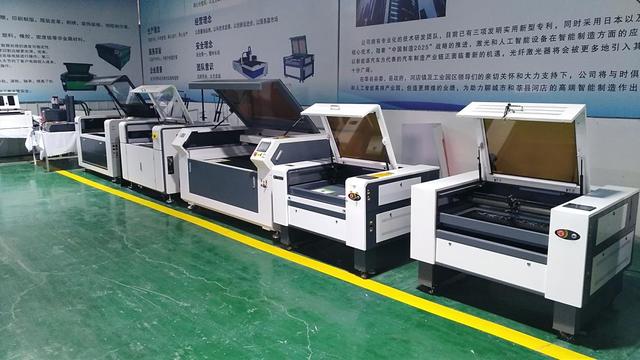
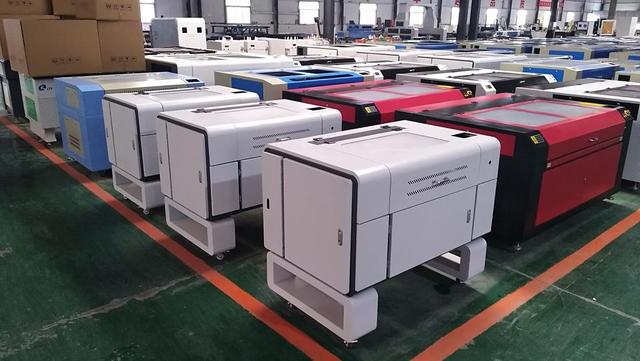
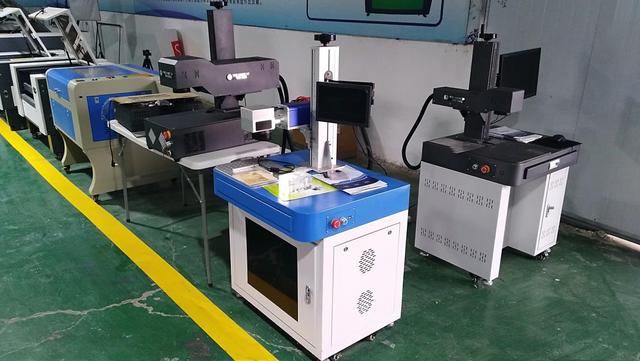
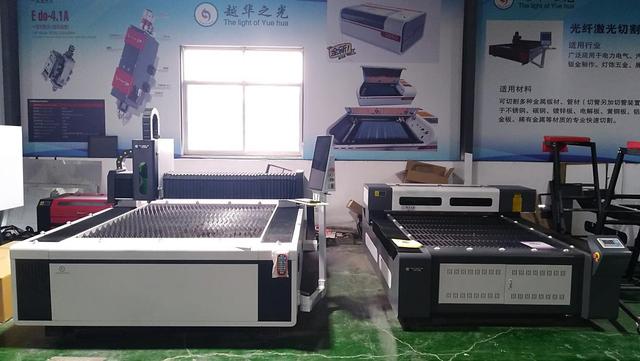
Located in Hangzhou, China, Hangzhou Kinray Laser Co., Ltd. coordinates research and development, manufacturing, sales, and global technical support. Our broad system line includes fiber laser markers, UV laser systems, CO2 configurations, MOPA color engravers, on-the-fly packaging coders, 3D dynamic optical heads, and custom automation modules.
Our lasers mark, etch, and ablate a wide range of surfaces—metals, plastics, glass, ceramic matrices, and high-performance composites. With strict incoming component screening and extensive end-of-line testing, we supply distributors, system integrators, and industrial brands worldwide under both OEM and ODM agreements.
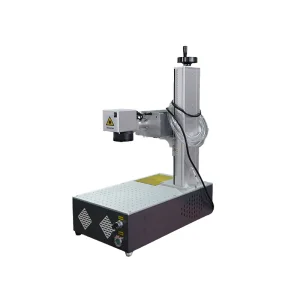
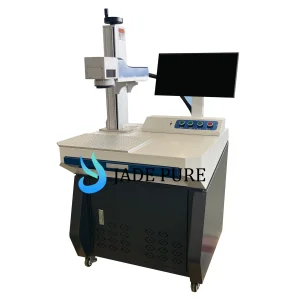
High-speed, dynamic industrial markers built for deep mold etching, glass micro-machining, and automated inspection lines.

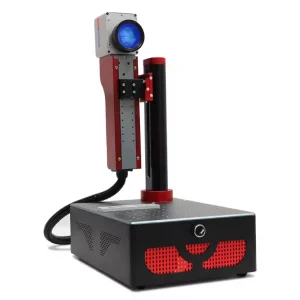
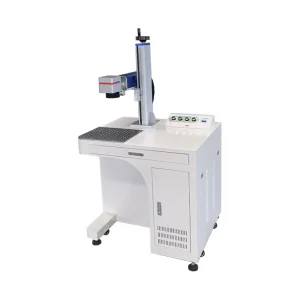
Common questions regarding system configuration, compatibility, material interaction, and procurement logistics.
MOPA (Master Oscillator Power Amplifier) lasers allow you to adjust pulse durations (ranging from 2ns to 500ns) independently of the pulse repetition frequency. This control prevents heat distortion in thin metals and plastics, and allows you to mark colors on stainless steel or achieve dark, high-contrast marks on anodized aluminum. Q-switched systems use fixed pulse widths, which work well for deep metal engraving but offer less flexibility on heat-sensitive materials.
An automated CCD system uses a high-resolution camera and visual algorithms to detect parts in the marking field. It automatically reads each component's offset, orientation, and angle, adjusting the laser coordinates on the fly. This removes the need for manual alignment fixtures, speeds up cycle times, and prevents positioning errors.
Yes. Our controllers support industrial communication standards like Modbus, Profinet, and Ethernet/IP. You can link them directly with Siemens, Allen-Bradley, or Omron PLCs, allowing remote triggering, automated file changes, and status feedback within robotic cells and conveyor loops.
UV lasers operate at a 355nm wavelength, using a photochemical process called "cold marking." The high-energy UV photons break molecular bonds directly instead of using heat. This prevents micro-cracking in glass and eliminates carbonization on plastics, resulting in clean, high-contrast, damage-free marks.
All export configurations carry European CE marks and RoHS certification. They can also be customized to meet FDA CDRH requirements (Class 1 enclosures, safety interlocks, and specialized laser viewing windows), ensuring compliance with international workplace safety rules.
 Kinray Laser