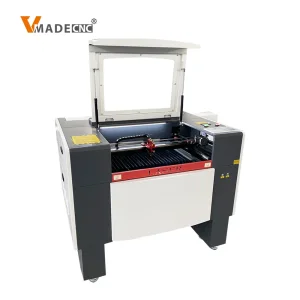
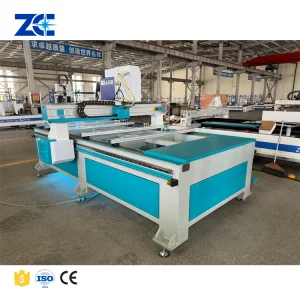
High-performance engineering, integrated intelligent vision, and online marking configurations engineered for high-throughput production lines.
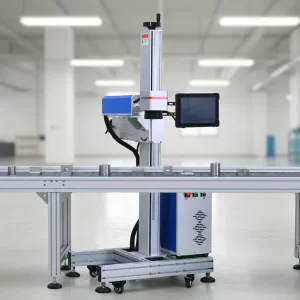
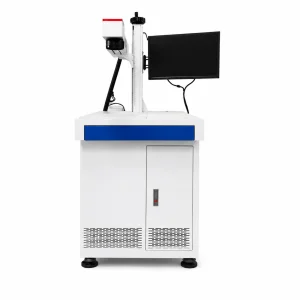
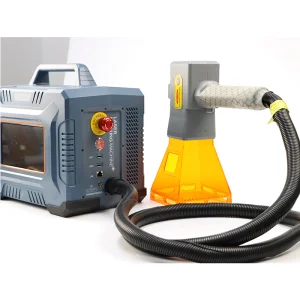
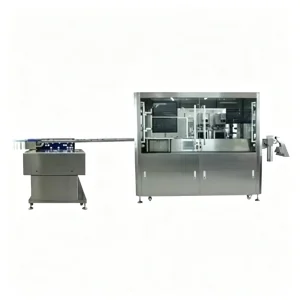
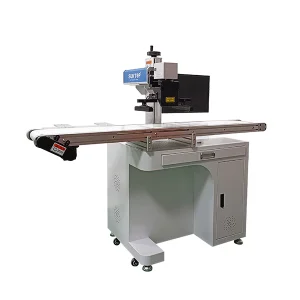
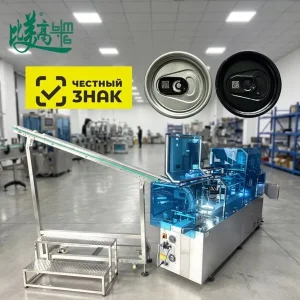
In the contemporary landscape of high-throughput industrial manufacturing, modern supply chains require unprecedented traceability, accuracy, and processing velocity. Hangzhou Kinray Laser Co., Ltd. stands at the forefront of this industrial shift as a premier Chinese industrial laser marking machine manufacturer, specializing in state-of-the-art fiber, UV, and CO2 laser technologies tailored for global application. Our design philosophy centers on integrating intelligent processing, machine vision validation, and high-degree automation systems into single-point industrial assets.
Located in Hangzhou, China—a region globally recognized for high-tech industrial clusters and advanced digital manufacturing infrastructure—Kinray Laser harmonizes comprehensive R&D, structural design, manufacturing, globally-scaled marketing, and multi-lingual technical support. Our broad engineering portfolio contains high-performance fiber laser marking machines, UV laser marking systems, CO2 laser markers, MOPA (Master Oscillator Power Amplifier) variable pulse width laser units, inline flying laser setups, 3D surface laser relief machines, and deep-level custom OEM/ODM automated configurations. Our goal is to replace legacy mechanical, inkjet, and thermal marking methods with permanent, non-contact, environment-friendly, and digital-first optical solutions.
The transition toward Industry 4.0 and Smart Manufacturing (IIoT) has altered the role of laser systems in factory lines. Once localized as standalone manual stations, modern laser systems must function as continuous-production nodes. Factors such as the European Union's battery passport guidelines, the FDA's Unique Device Identification (UDI) regulations for medical devices, and strict automotive structural traceability laws require permanent marks on parts that survive thermal, chemical, and physical stress.
Currently, global manufacturers face a dual challenge: rising throughput demands versus strict quality criteria. Traditional ink-jet methods are costly, pose environmental risks due to VOC emissions, and suffer from rub-off degradation. Automated laser coding, integration-ready scanning units, and vision verification devices provide a viable alternative. Integrated with optical sensors and fieldbus networks, modern laser systems adapt to changing line speeds, automate code generation dynamically via MES/ERP databases, and execute online inspections simultaneously.
Support for real-time serialization, multi-format QR/DataMatrix generation, and 21 CFR Part 11 database compliance for pharmaceutical and medical tracking.
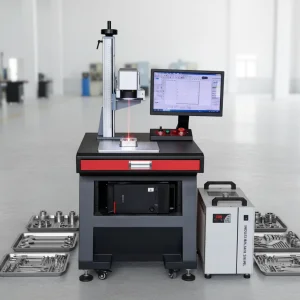
Visual identification systems execute 360-degree component detection, adjust galvo deflections in real-time, and run OCR validation post-marking.
Native integration with standard fieldbuses (EtherCAT, Profinet, Modbus) and ERP systems to execute dynamic marking operations without human intervention.
The efficiency of Hangzhou Kinray Laser Co., Ltd. is built on a streamlined supply chain, strict quality management, and domestic technological ecosystems. Our production model balances competitive manufacturing margins with high performance:
Each system undergoes 72 hours of uninterrupted optical emission testing alongside thermal camera profiling. Galvo scanners are calibrated with precision grids to limit geometric distortion to ≤0.01mm over large areas, ensuring consistent performance in diverse industrial environments.
Modern production needs vary significantly by sector. To address this, Kinray Laser builds tailored engineering setups for different industries:
In structural cast irons, aluminum alloys, and engine block surfaces, marking systems must create high-contrast, deep-relief marks that resist subsequent coating, blasting, or heat treatments. Our 50W and 100W fiber systems achieve precise material ablation. In addition, MOPA technology controls thermal impact, preventing micro-fractures in structural components.
The electronics industry requires marking on flame-retardant polymers (such as FR4) and copper tracks. Our UV 355nm lasers utilize "cold ablation" processing. High-energy UV photons split chemical bonds without relying on thermal energy, preventing copper warping and layer separation. Integrated with conveyor belts, our PCB markers process parts continuously.
For high-volume products like beverage containers and pharmaceutical packaging, throughput speed is critical. Our flying fiber and RF CO2 laser markers apply batch codes, expiration dates, and 2D barcodes to moving glass, plastic, and aluminum surfaces at speeds up to 12,000 components per hour, working with optical triggers to eliminate bottlenecks.
Global procurement teams must balance initial capital expenditure (CAPEX) with long-term operating costs (OPEX). Choosing between Fiber, UV, and CO2 technologies depends on material chemistry, marking speeds, and line integration requirements:
| Laser Class | Core Wavelength | Target Substrates | Primary Advantage |
|---|---|---|---|
| Fiber / MOPA | 1064 nm | Steel, Aluminum, Brass, Rigid Polymers | High-contrast marking on metals, long service life (~100k hours) |
| UV Laser | 355 nm | Glass, Thin Polymers, PCBs, Crystals | Minimal thermal stress, highly precise micro-marking |
| RF CO2 Laser | 10600 nm | Wood, Leather, Paper, Acrylic, Glass | High speed on organic materials and transparent plastics |
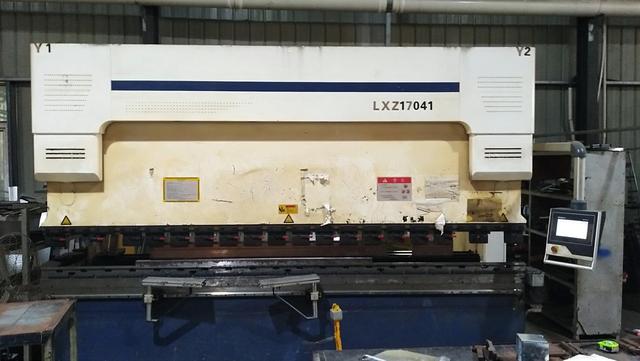
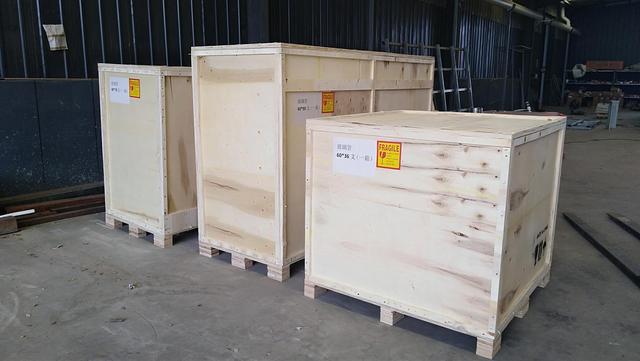
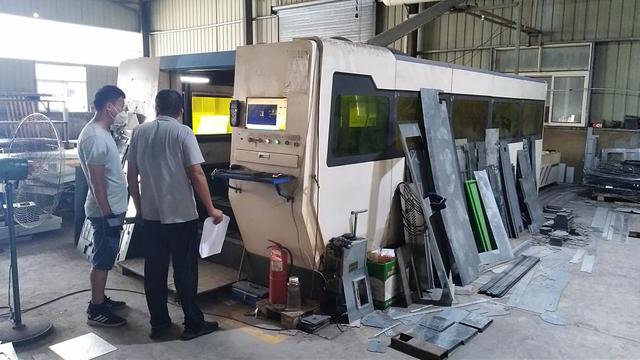
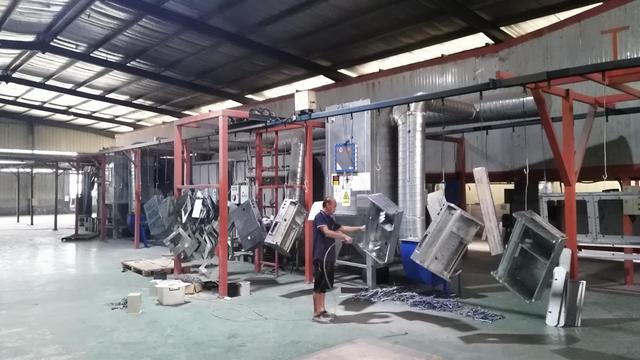
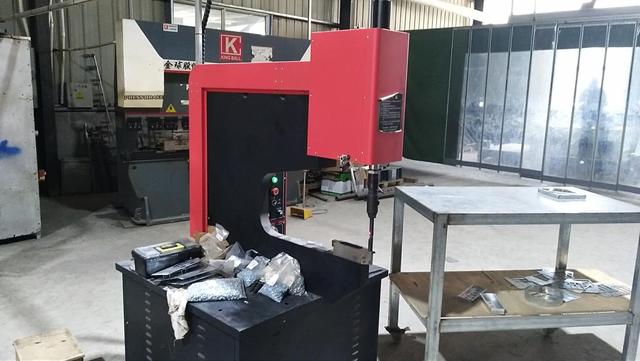
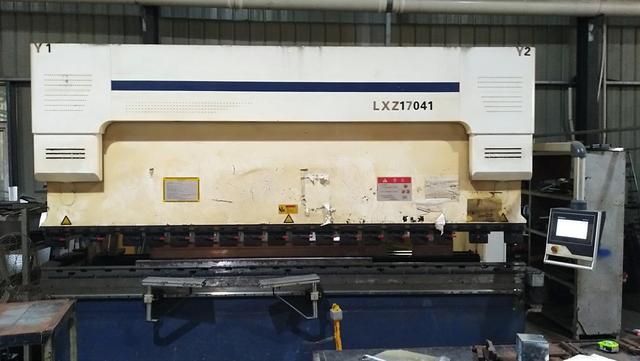
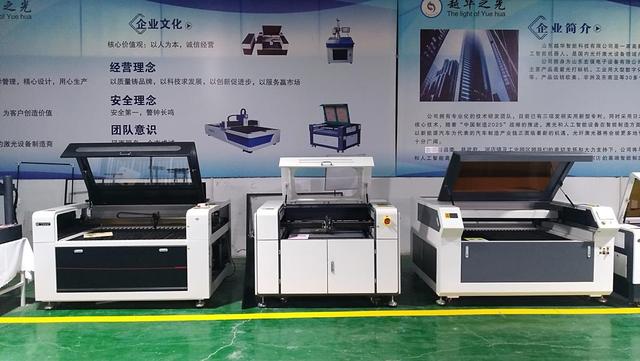
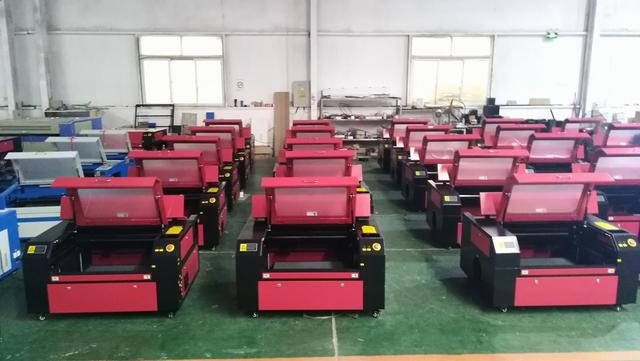
To support global supply chains, Kinray Laser maintains high-quality standards in our production facility. Below is an overview of our manufacturing facilities, assembly stations, optical testing rooms, and dynamic calibration processes:
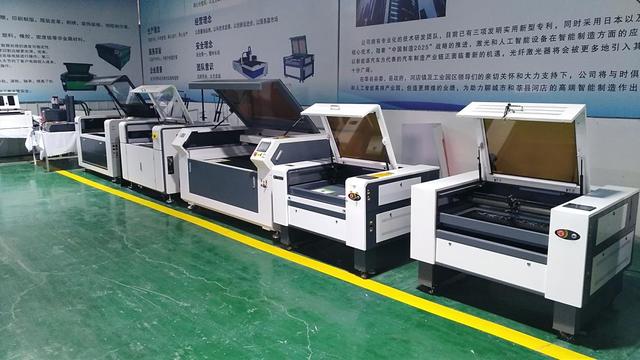
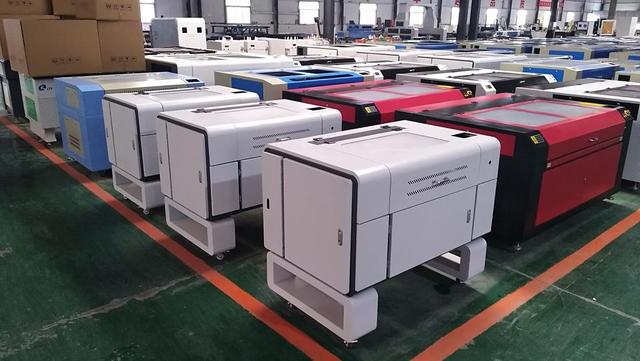
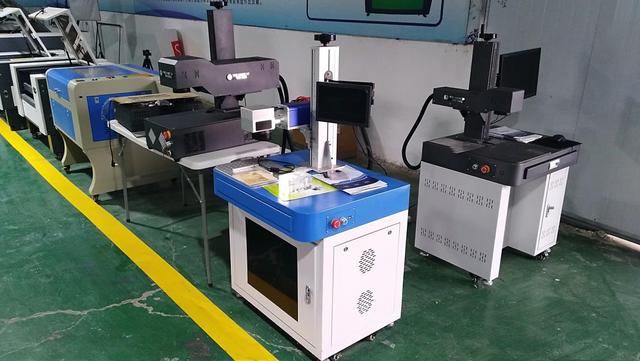
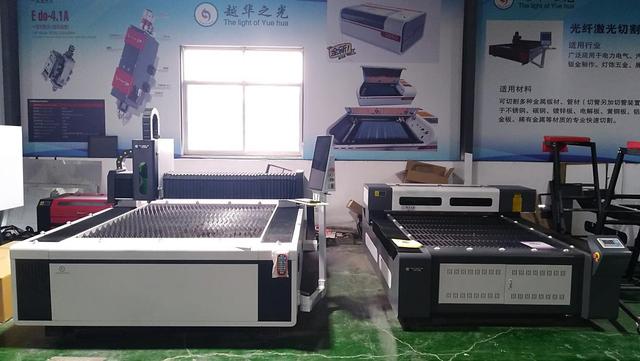
The industrial laser sector is experiencing three key shifts: artificial intelligence integration, ultra-fast pulse transitions, and multi-wavelength processing. Modern vision-guided laser markers utilize deep learning algorithms to distinguish parts regardless of physical rotation, placement offset, or light reflection on the line.
In addition, the demand for green and UV laser engines is rising as electronics and medical devices shrink. As companies look to lower their carbon footprints, energy consumption is also a priority. Modern fiber resonators consume up to 70% less energy than older flashlamp-pumped Nd:YAG lasers. Partnering with a manufacturer like Kinray Laser allows buyers to transition their manufacturing lines to meet modern sustainability targets without sacrificing throughput.
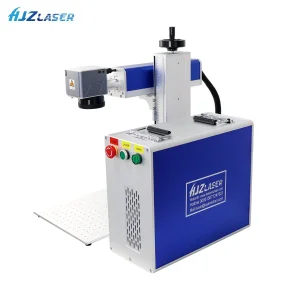
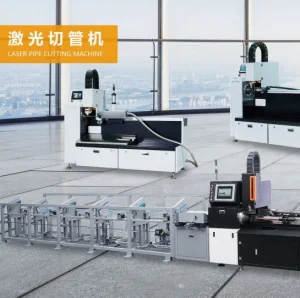
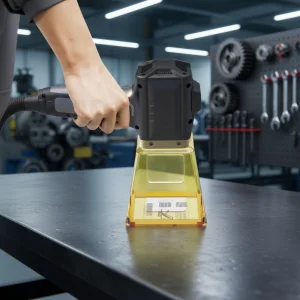
Explore our dynamic catalog of specialized laser systems designed for metals, composites, polymers, and glass substrates.

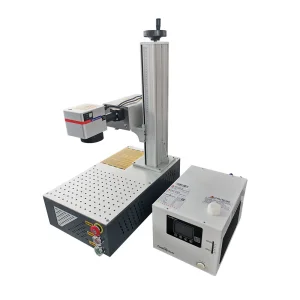
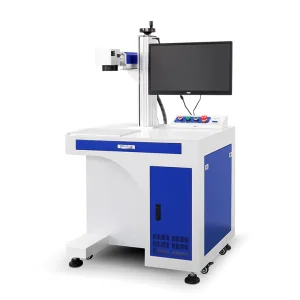
 Kinray Laser