Explore our high-performance fiber, ultraviolet, and CO2 laser solutions engineered for reliability and long-term production stability.
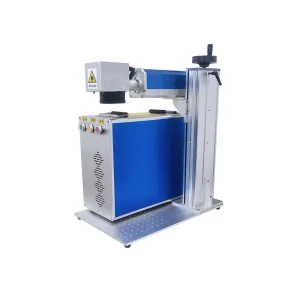
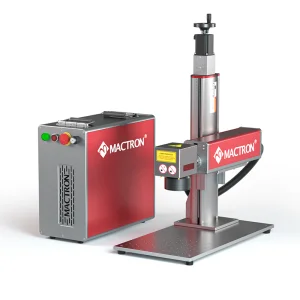
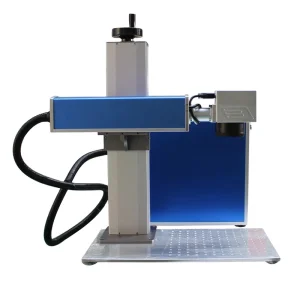
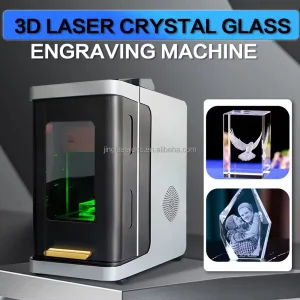
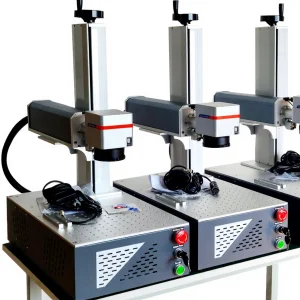
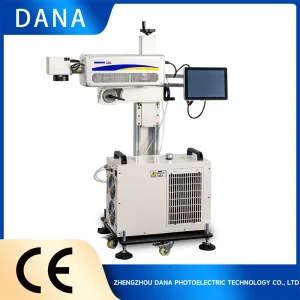
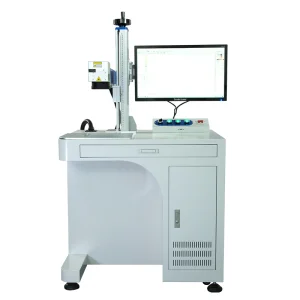
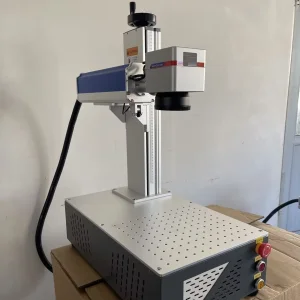
Insights into the modern industrial transformation driven by fiber, UV, and ultra-short pulse lasers across key manufacturing corridors.
Global production lines are transiting from tactile mechanical marking and ink-based solutions to clean, contactless laser configurations. In North America and Europe, stringent serialization guidelines for traceability demand reliable, long-life laser setups. In emerging Asian hubs, the primary focus lies on maximizing throughput per square foot, necessitating high-speed galvanometer systems (e.g., SG7110 series) and robust online flying marking setups.
Whether in automotive component marking, medical device tracking (UDI guidelines), or multi-layer PCB numbering, micro-level permanent marking ensures secure supply chains. This industrial imperative has fueled the necessity for high-volume laser production facilities that can customize hardware through specialized OEM and ODM frameworks, providing bespoke housing, specialized wavelengths (355nm UV, 1064nm Fiber, 10.6μm CO2), and integrated automation interfaces.
Strategic Insight: Modern factories are optimizing for total cost of ownership (TCO). Fiber laser systems offer up to 100,000 hours of operations with zero maintenance consumables, presenting a clear financial and operational advantage over traditional manufacturing marking lines.
Selecting the optimal wavelength, output configuration, and thermal profile for specific manufacturing requirements.
| Laser Source Type | Wavelength Range | Primary Target Materials | Key Operational Advantages | Typical Applications |
|---|---|---|---|---|
| Fiber Laser (Q-Switched) | 1064 nm | Steel, Aluminum, Brass, Hard Plastics | High energy density, extreme longevity, cost-effective | General metal engraving, automotive parts, tooling |
| MOPA Fiber Laser | 1064 nm (Variable Pulse Width) | Stainless Steel, Anodized Al, Plastics | Adjustable pulse duration, color marking on stainless, low heat input | Electronics, smartphone housings, high-contrast plastics |
| UV (Ultraviolet) Laser | 355 nm | Glass, Crystal, PCB, Silicon, Delicate Plastics | "Cold marking" effect, minimal thermal damage, micro-precision | Subsurface glass engraving, medical packaging, PCB tracking |
| CO2 Laser | 10.6 μm | Wood, Acrylic, Leather, Ceramics, Textiles | Excellent absorption by organic matter, rapid scan speed | Packaging industry, denim engraving, acrylic display design |
Where AI inspection meets automation: The progressive integration of intelligent sensors and dynamic software.
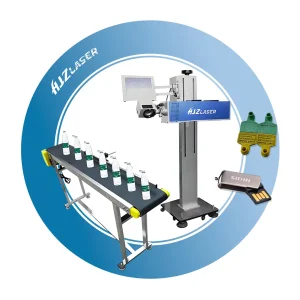
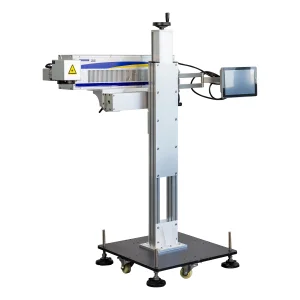
Static workstations are increasingly supplemented by high-speed, online flying laser marking systems integrated directly onto conveyor lines. These platforms synchronize with variable encoder signals to mark wire cables, packaging elements, and extruded plastic tubes in real-time, achieving zero latency at high velocity.
As electronic packages contract, thermal runaways damage neighboring microcircuitry. UV lasers operating at 355nm employ photochemical ablation rather than photothermal melting. By breaking atomic bonds, they create clean edges on PCBs and crystal substrates without heat-affected zones (HAZ).
Smart factories deploy coaxial and off-axis vision recognition cameras inside laser housings. These cameras dynamically adjust the marking vector offset based on randomly positioned parts on a belt. This eliminates the necessity for expensive custom mechanical jigs and reduces product rejection ratios.
The manufacturing sector is aligning with green directives. Modern laser markers consume minimal electricity compared to legacy mechanical toolheads. Furthermore, integrated air extraction filters scrub micro-particulates, ensuring compliance with global occupational safety standards.
Hangzhou Kinray Laser Co., Ltd. is a leading China industrial laser marking machine manufacturer specializing in advanced fiber and UV laser solutions for global manufacturing industries. With a strong focus on innovation, precision, and intelligent manufacturing, Kinray Laser is committed to delivering high-performance laser equipment that improves production efficiency, product traceability, and marking quality.
Located in Hangzhou, China, the company integrates research and development, manufacturing, sales, and technical support to provide comprehensive laser processing solutions for customers worldwide. Our extensive product portfolio includes fiber laser marking machines, UV laser marking machines, CO2 laser marking systems, MOPA laser markers, flying laser marking machines, 3D laser marking equipment, and customized automated laser solutions.
Kinray Laser products are widely used in electronics, automotive, medical devices, precision hardware, jewelry, packaging, aerospace, consumer goods, and industrial manufacturing industries. Designed for high-speed, high-precision, and permanent marking applications, our systems are capable of processing a wide range of materials, including metals, plastics, ceramics, glass, and composite materials.
Equipped with advanced production facilities and rigorous quality management systems, Kinray Laser maintains strict quality control throughout every stage of manufacturing. Each machine undergoes comprehensive testing to ensure stable performance, reliability, and compliance with international standards.
To support global customers, we offer flexible OEM and ODM services for distributors, system integrators, equipment brands, and industrial manufacturers. Our experienced engineering team works closely with customers to develop customized laser solutions tailored to specific production requirements, automation needs, and industry applications.
Driven by technological innovation and customer satisfaction, Hangzhou Kinray Laser Co., Ltd. continues to expand its global presence and strives to become a trusted partner for intelligent laser processing solutions, helping manufacturers achieve smarter, more efficient, and sustainable production.
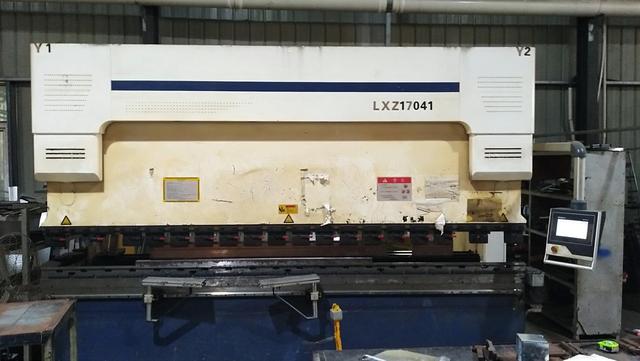
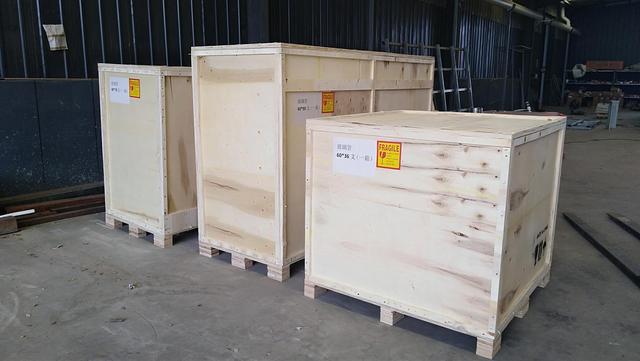
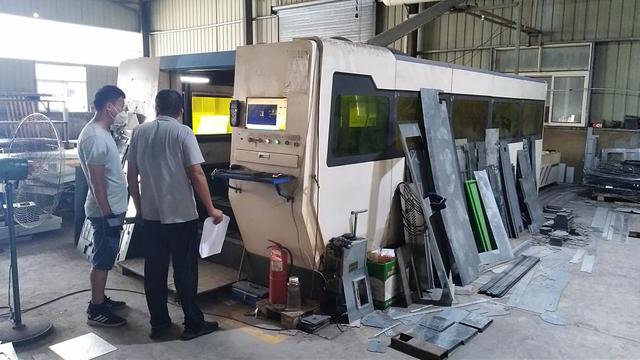
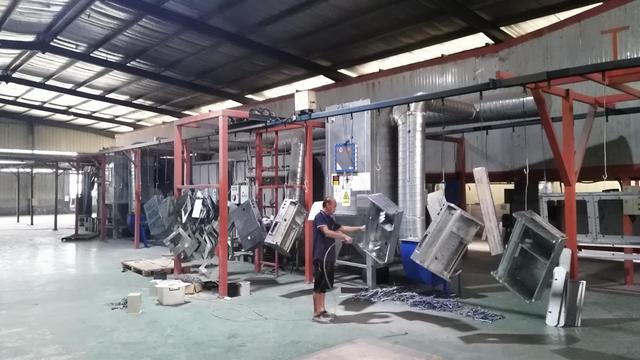
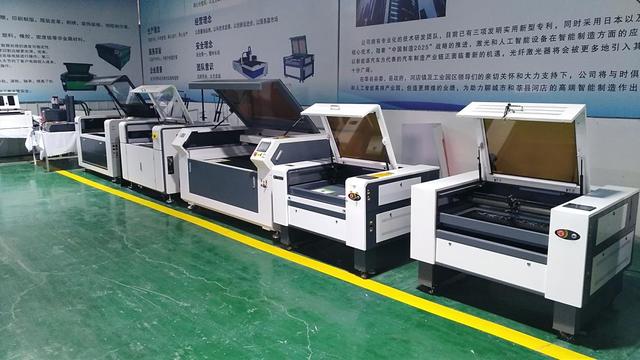
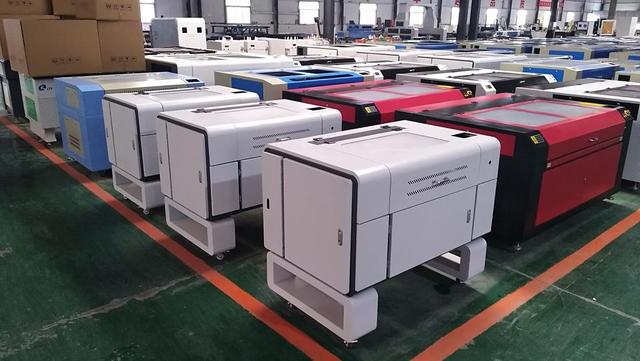
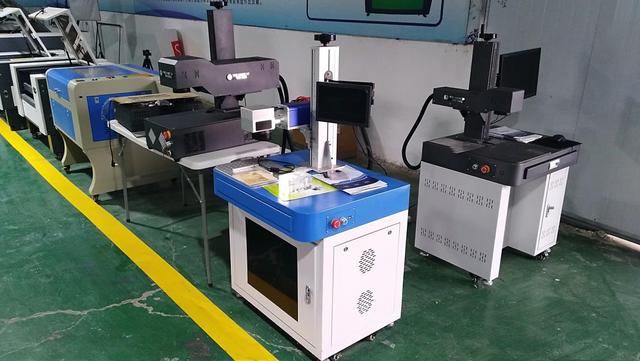
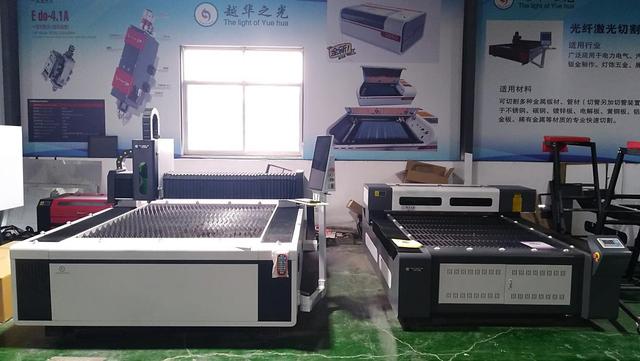
Discover how custom laser layouts solve physical engineering obstacles across various manufacturing contexts.
Engine block components, transmissions, and safety systems require permanent serial numbers that survive subsequent thermal treatments, oil immersion, and friction. Our 30W to 100W Q-switched and MOPA fiber laser marking machines achieve high depth marking on cast metals, anodized aluminum, and specialized alloys to maintain legibility across the vehicle's lifespan.
Printed Circuit Boards (PCBs) present challenging material layers. High-volume manufacturing lines implement our UV cold laser marking solutions to engrave high-density 2D matrix codes directly onto solder masks or glass-reinforced plastics (FR4). This technique circumvents charring and prevents copper delamination, maintaining board integrity.
Surgical instruments require alphanumeric and matrix marking that withstands harsh autoclave sterilization cycles. Utilizing MOPA lasers, manufacturers create black, corrosion-resistant markings on stainless steel (AISI 316L/304) and titanium alloys by adjusting pulse durations, ensuring the passive oxide layer remains intact to avoid rust.
Pioneering the next generation of industrial marking technology: Ultrafast lasers, IoT monitoring, and robotic collaboration.
To maintain a competitive edge, global manufacturers must align their technological roadmaps with coming shifts. The laser sector is transitioning from stand-alone machines to cloud-connected cyber-physical manufacturing systems.
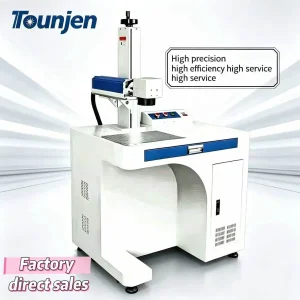
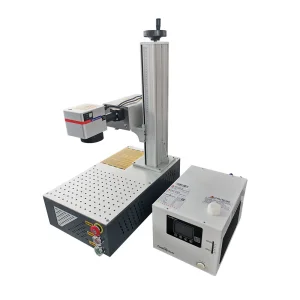
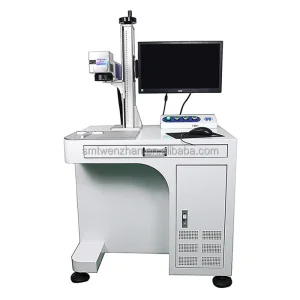
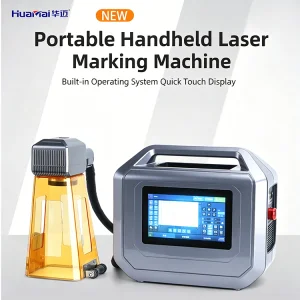
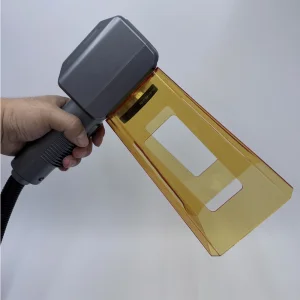
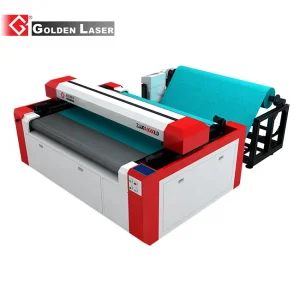
Discover our range of desktop, portable, flying, and high-precision laser equipment for complex manufacturing scenarios.
Technical guidance and commercial explanations for industrial designers, import managers, and production engineers.
 Kinray Laser