Engineered for High Throughput, Complete Wavelength Protection, and Industrial Compliance
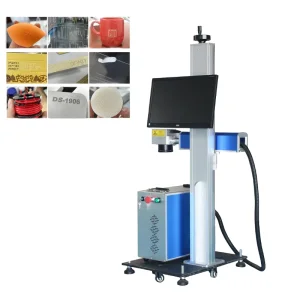

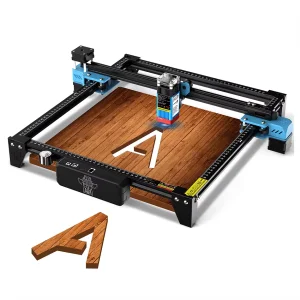
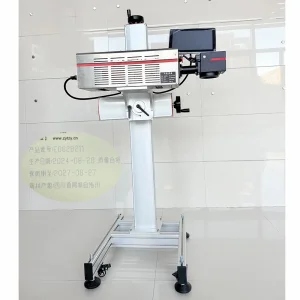
Hangzhou Kinray Laser Co., Ltd. is a leading China industrial laser marking machine manufacturer specializing in advanced fiber and UV laser solutions for global manufacturing industries. With a strong focus on innovation, precision, and intelligent manufacturing, Kinray Laser is committed to delivering high-performance laser equipment that improves production efficiency, product traceability, and marking quality.
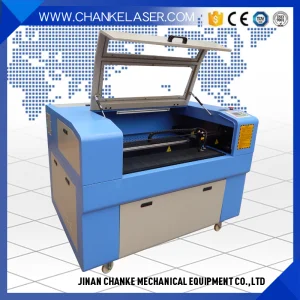
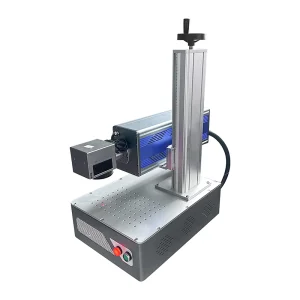
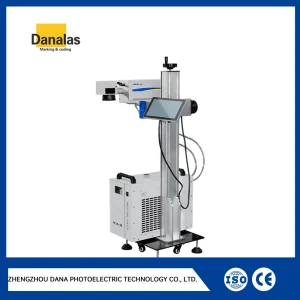
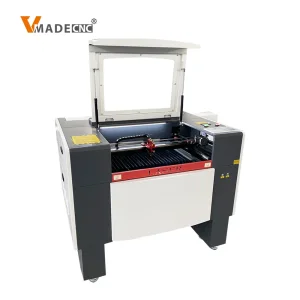
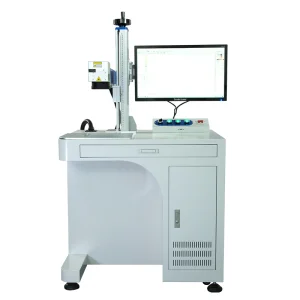
Located in Hangzhou, China, the company integrates research and development, manufacturing, sales, and technical support to provide comprehensive laser processing solutions for customers worldwide. Our extensive product portfolio includes fiber laser marking machines, UV laser marking machines, CO2 laser marking systems, MOPA laser markers, flying laser marking machines, 3D laser marking equipment, and customized automated laser solutions.
Driven by technological innovation and customer satisfaction, Hangzhou Kinray Laser Co., Ltd. continues to expand its global presence and strives to become a trusted partner for intelligent laser processing solutions, helping manufacturers achieve smarter, more efficient, and sustainable production.
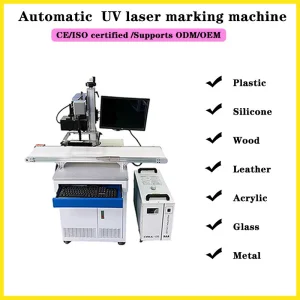
Kinray Laser products are widely used in electronics, automotive, medical devices, precision hardware, jewelry, packaging, aerospace, consumer goods, and industrial manufacturing industries. Designed for high-speed, high-precision, and permanent marking applications, our systems are capable of processing a wide range of materials, including metals, plastics, ceramics, glass, and composite materials.
Equipped with advanced production facilities and rigorous quality management systems, Kinray Laser maintains strict quality control throughout every stage of manufacturing. Each machine undergoes comprehensive testing to ensure stable performance, reliability, and compliance with international safety and quality standards.
To support global customers, we offer flexible OEM and ODM services for distributors, system integrators, equipment brands, and industrial manufacturers. Our experienced engineering team works closely with customers to develop customized laser solutions tailored to specific production requirements, automation needs, and industry applications.
Years of Engineering Excellence
CE & FDA Compliant Systems
Global Destination Markets
Rapid ODM Technical Support
In high-power industrial laser configurations—ranging from 355nm UV sources to 1064nm MOPA fiber units and 10,600nm CO2 tubes—the integration of Class 1 laser safety devices is not merely a regulatory box to check; it is a vital operational safeguard. Laser radiation can cause irreversible biological damage to operators, specifically ocular and skin damage, if scattering is not correctly mitigated.
Our OEM/ODM solutions prioritize the implementation of multi-wavelength shielding, certified optical density (OD6+ or OD7+) viewing windows, and physical safety interlocks. By ensuring zero-emission operating enclosures during the firing phase, factories can easily pass local OSHA, CE, and FDA audits without incurring costly secondary facility shielding modifications.
How Hangzhou Kinray Laser Combines Local Logistics, Advanced Metrology, and Engineering Efficiencies
Hangzhou is positioned in China’s premier industrial optical hub. This grants us instantaneous access to leading diode suppliers, precision galvanometers, robust structural metals, and certified safety shielding components, radically reducing lead times.
Our in-house design and engineering department uses advanced 3D CAD modeling and laser simulation testing. We can translate a client's design sketch into a production-ready, safety-compliant prototype within days, rather than months.
Quality and precision are monitored step-by-step. Every optical device and enclosure is inspected via high-resolution power meters, wavelength-specific spectrophotometers, and alignment calibrators to maintain strict safety standards.
Hangzhou Kinray Laser develops target-oriented industrial solutions that blend precise marking capabilities with robust protective systems to resolve critical vulnerabilities in key industrial sectors.
Electronics & Semiconductor Packaging: In high-speed, high-density environments, marking operations must proceed without producing thermal stress or static interference. Our UV lasers—with integrated Class 1 safety enclosures and ESD shielding—allow for precise marking of thin silicon, PCBs, and delicate capacitors with zero defect rates.
Medical Device Traceability: UDI (Unique Device Identification) on surgical stainless steel, titanium, and medical polymers requires highly legible, permanent marks that resist corrosion and repeated sterilization. Our MOPA fiber laser systems offer precise control over pulse duration, enabling passivation-friendly dark marking without surface texturing.
Automotive Parts & VIN Coding: Deep, permanent markings on transmission housings, chassis, and engine blocks demand powerful fiber lasers. To safeguard operators in open, robotic-arm production environments, we design custom safety light curtains and interlocking gantries that stop laser activity when workers enter the area.
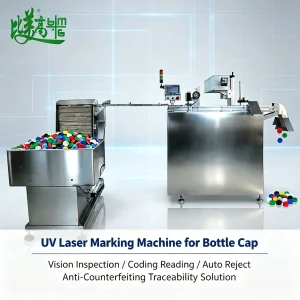
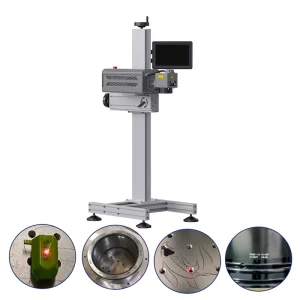
Fast-Moving Consumer Goods (FMCG) Packaging: In high-speed bottling and bagging operations, our flying CO2 and UV laser markers apply batch codes and expiry dates directly on packaging materials. This eliminates the need for expensive ink consumables, reducing operational costs while ensuring continuous production.
"Kinray's tailored approach ensures that our machine safety structures match the workflow efficiency of our automated assembly lines perfectly, maximizing uptime while maintaining absolute regulatory compliance."
From Initial CAD Modeling to Global Compliance Verification
We analyze your workpiece materials, cycle time targets, and local factory safety standards.
We model the physical enclosure, optical paths, viewing windows, and safety lock configurations.
We perform optical power validation, wavelength attenuation tests, and safety interlock trials.
We provide full documentation, CE/FDA safety labels, and shipment processing support.
As manufacturing lines transition toward Smart Factory configurations, laser safety technology is evolving from passive physical isolation to active, intelligent detection. In standard setups, barriers protect operators by physically containing scattered light. Modern advancements are driving toward dynamic sensor arrays that interface directly with the laser control system.
By using real-time machine vision inspection systems, laser systems can scan the work field before and during operation. If an unrecognized material, a misplaced hand, or an unshielded reflective surface is detected, the galvo mirrors misalign the beam path or power off the laser source instantly, preventing accidental damage.
Additionally, the adoption of MOPA fiber lasers with variable pulse durations has created a demand for wider-spectrum safety viewports. These viewports must absorb both the fundamental infrared marking frequency (1064nm) and any secondary visual harmonics generated during processing. Kinray is at the forefront of this technology, designing dual-band and tri-band polymer protective viewports for complex multi-laser automation cells.
| Laser Source Type | Key Wavelengths | Required Shielding OD |
|---|---|---|
| UV Laser (Lansu/Refine) | 355 nm | OD6+ |
| Fiber / MOPA Laser | 1064 nm | OD7+ |
| CO2 Gas Laser | 10600 nm | OD5+ |
Clear, Authoritative Solutions to Common Sourcing, Integration, and Regulatory Questions
A Class 4 laser system operates with an exposed beam path, meaning scattered and direct reflections are hazardous to the human eye and skin. Operators must wear wavelength-specific laser safety glasses. A Class 1 laser device features a fully light-tight enclosure equipped with certified safety windows and interlocks, ensuring all dangerous radiation is contained. This design allows operators to work nearby without protective goggles.
Our industrial laser machines feature dual-channel interlock switches, emergency stop buttons, shielded power cables, and key-switched start locks. When built as a Class 1 system, we construct enclosures using thick sheet metal and install certified viewport materials with test-verified Optical Density (OD) ratings for the specific laser source in use.
Yes. Our engineering department specializes in OEM/ODM integrations. We can alter the physical dimensions of the chassis, design custom pneumatic sliding doors, integrate conveyor slots, or add vision cameras to handle parts inspection. Our systems are engineered to communicate directly with PLC control architectures through standard Modbus, TCP/IP, or I/O pathways.
Laser marking and engraving generate fine dust particles and chemical vapors when processing materials like ABS plastic, PVC, acrylic, or carbon steel. These fumes can settle on the laser's focus lens, reducing marking accuracy and shortening the component's lifespan. By incorporating synchronized fume extraction, our systems collect hazardous particles at the source, maintaining clean optics and a safe workspace.
Standard design modifications generally take 7 to 10 working days to draft and approve. Once you confirm the CAD models, manufacturing, assembly, wiring, and safety certification testing are completed within 3 to 4 weeks. Shipping times vary depending on the destination port and the selected shipping method (ocean, air, or rail).
Selection is based on the material's light absorption characteristics. UV lasers (355nm) are ideal for damage-sensitive plastics and glass due to their "cold processing" mechanism. Fiber lasers (1064nm) are best suited for deep metal engraving, annealing, and marking plastics. CO2 lasers (10,600nm) are the industry standard for organic materials like wood, leather, paper, and transparent acrylics.
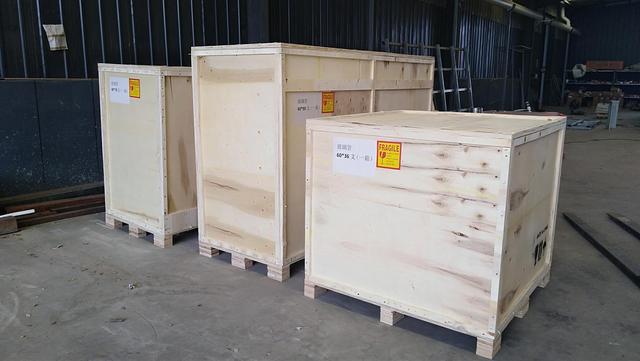
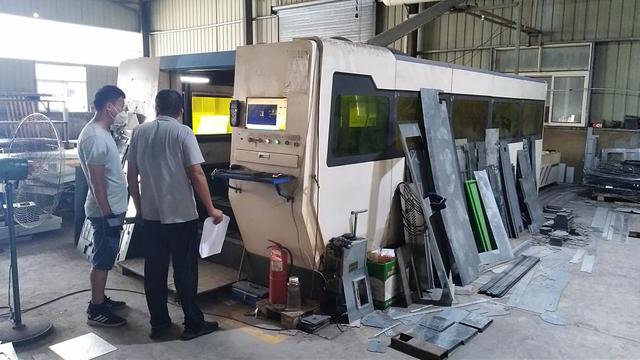
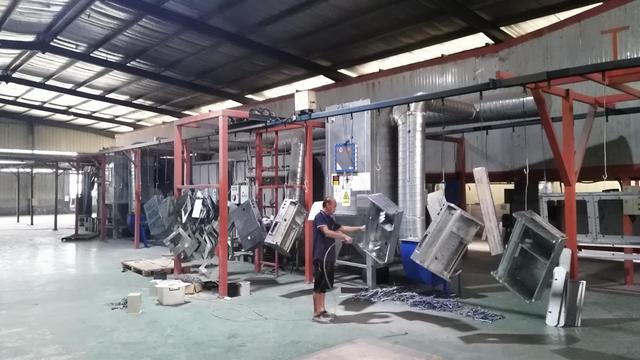
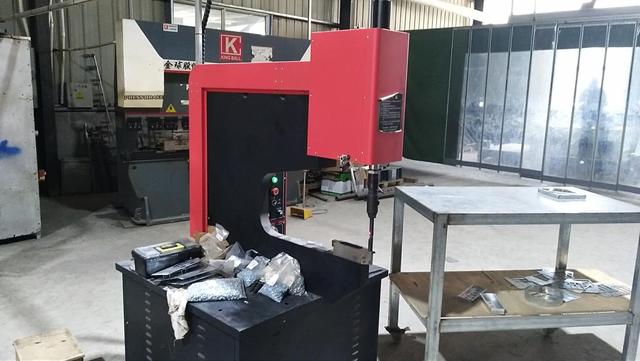
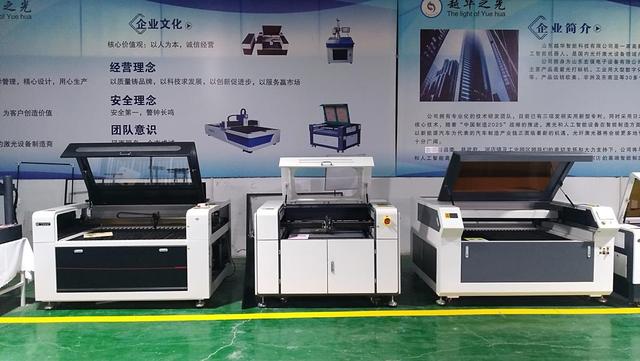
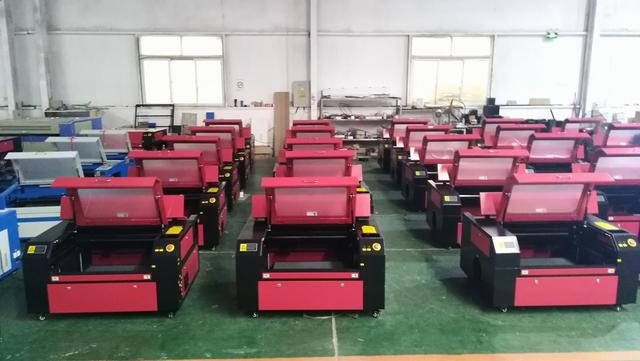
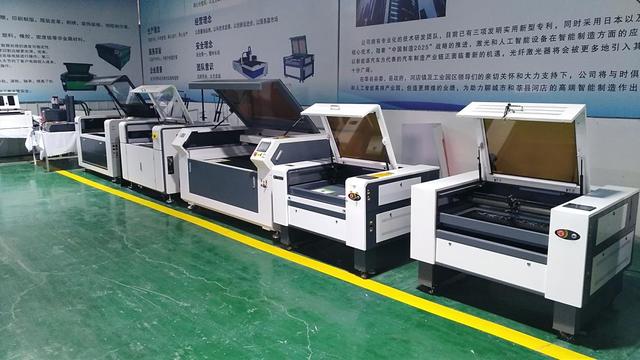
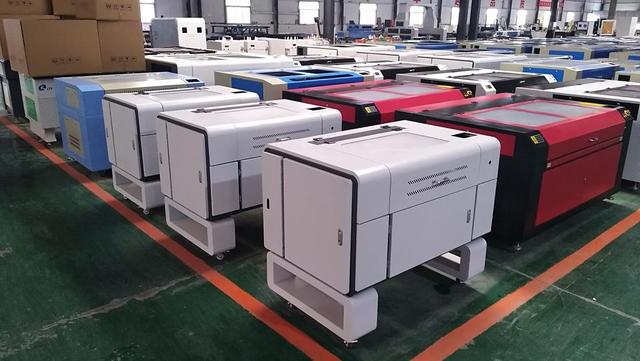
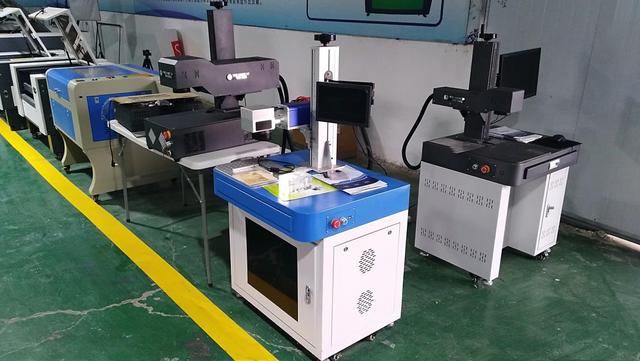
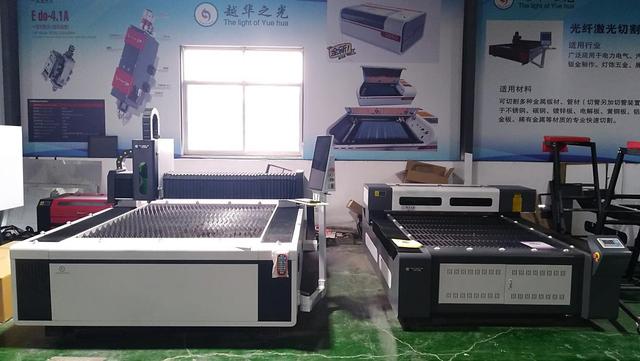
Inside our Hangzhou Plant: Where Design Meets Metrology
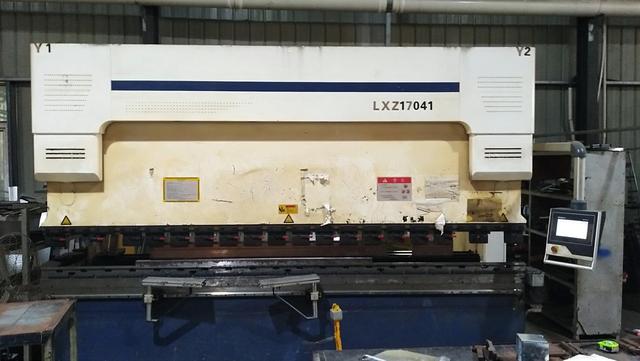
Fully Certified Solutions with Class 1 Enclosures and Smart Control Systems
 Kinray Laser