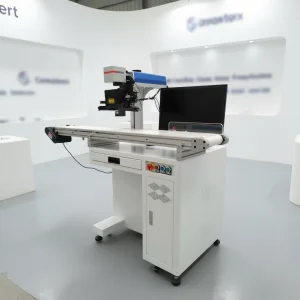
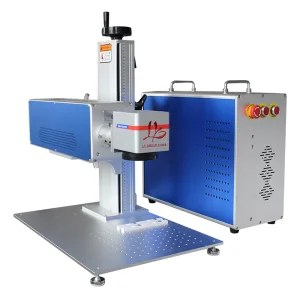
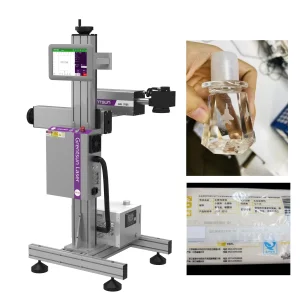
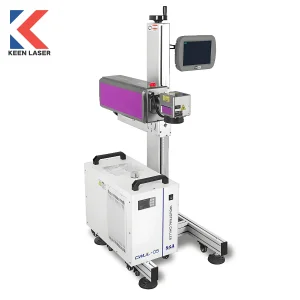
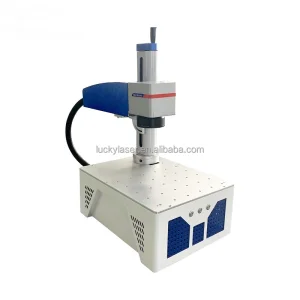
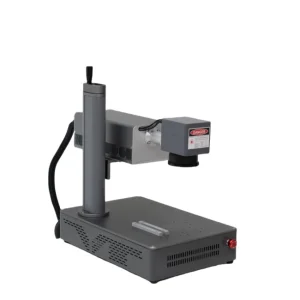
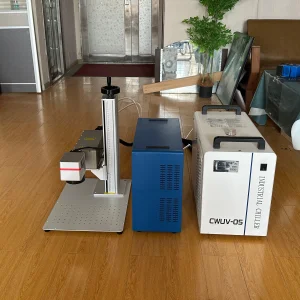
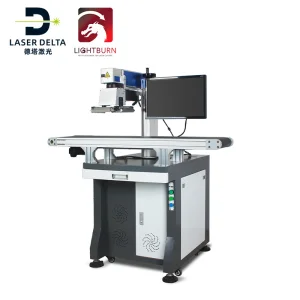
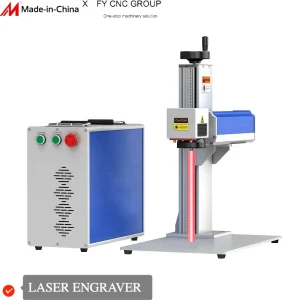
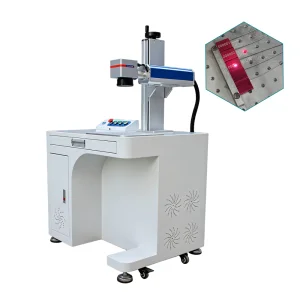
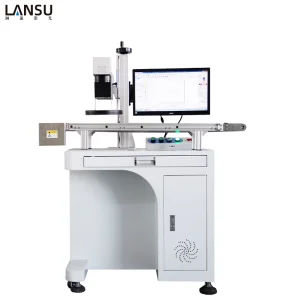
Explore our elite selection of high-accuracy marking equipment designed for rapid deployment, desktop prototyping, and inline assembly integration.
How high-resolution coding systems are redefining modular product tracking across smart manufacturing environments globally.
In modern production frameworks, permanent traceability has shifted from a regulatory checkmark to a core operational strategy. The demand for industrial portable laser engravers is surging due to the rising decentralization of manufacturing plants and the integration of customized production cycles. Previously, marking systems were bulky, stationary modules linked to dedicated conveyor lines. Today, the convergence of compact solid-state laser resonators, advanced fiber delivery lines, and high-frequency scan heads has led to highly mobile systems capable of matching or exceeding the capabilities of traditional large-scale machinery.
From an international logistics perspective, exporters and factories are dealing with stricter regulatory frameworks, such as the FDA's Unique Device Identification (UDI) guidelines for medical devices, GS1 standards for food packaging, and specific aerospace part tracking standards. High-resolution marking systems address these requirements by providing deep, high-contrast marks on diverse substrates without introducing thermal degradation. Crucially, portable systems allow operators to bring the marking apparatus directly to bulky, oversized, or non-magnetic components that cannot be easily processed on standard conveyor belts.
Global demand is driven by the growth of lean inventory workflows. Distributed warehouses utilize handheld and mobile lasers to mark serial numbers, bar codes, and customized branding elements on-demand, reducing pre-marked stock levels and streamlining global shipping cycles.
An engineering analysis of laser source evolution, intelligent vision alignment systems, and the shift towards multi-wavelength architectures.
The industry is transitioning away from single-wavelength dependency toward multi-spectral capabilities. Traditional fiber laser markers (1064nm) are excellent for high-density metals and hard plastics. However, marking sensitive polymers, glass, and wood substrates requires either UV lasers (355nm) to minimize thermal stress via cold ablation, or CO2 systems (10600nm) for non-metallic processing. Next-generation systems feature dual-source swappable laser engines, letting factories alternate wavelengths on a single portable chassis.
A major advancement in modern engravers is the addition of CCD visual positioning systems. By combining high-speed cameras with image-recognition algorithms, machines can locate products on conveyor systems or hand-held surfaces, automatically adjusting focus, skew, and marking location dynamically. This eliminates the need for precision jigs, reducing cycle setup times and minimizing production defects.
Recent developments focus on real-time LIDAR-based distance sensors. By projecting optical profiling grids, the laser system determines surface contours and corrects focal length adjustments on three-dimensional, curved, or irregular surfaces instantly.
Portable systems are increasingly prioritizing power efficiency. Transitioning to air-cooled MOPA and RF metal tube technologies allows machines to operate with lower electrical overhead. This efficiency makes it practical to run systems using standard 24V lithium-ion battery configurations, enabling continuous portable operation in offshore or field-assembly environments.
Translating advanced technical parameters into high-productivity deployment models across diverse global industrial sectors.
For aerospace manufacturing, the marking of structural elements must avoid thermal stresses that could cause micro-fissuring. Handheld fiber and MOPA lasers permit operators to engrave direct part marking (DPM) codes on airframes and engine blocks. These portable units make it easy to mark large structural components directly on the factory floor, avoiding the need for heavy crane maneuvers to move parts to fixed marking stations.
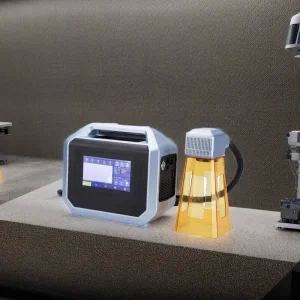
Medical instruments require permanent, biocompatible markings that can withstand repeated autoclave sterilization. UV laser engravers are ideal here because they mark via photochemical processes rather than thermal melting. This leaves the target surface smooth and corrosion-resistant, preventing bacterial buildup. The compact footprint of portable UV systems allows cleanroom facilities to maintain sterilization standards without dedicating large areas to bulky processing gear.
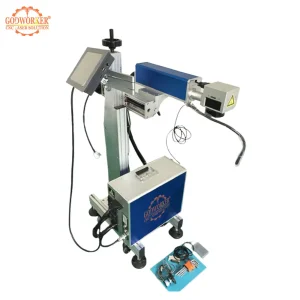
The electronics industry requires high-precision markings on small components like chipsets, connectors, and PCB substrates. High-speed online flying laser systems are designed to mark dynamic information—such as batch numbers, date stamps, and QR codes—on fast-moving production lines without interrupting flow. Our flying laser solutions use advanced optical encoders to sync with belt speeds, ensuring clean, distortion-free marks at high volumes.
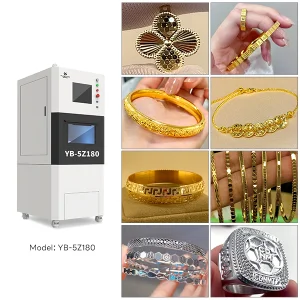
The jewelry and premium metal industry requires high detail and material recovery. The introduction of 5-axis CNC laser machines allows automated marking inside rings, along complex curved pendants, and on detailed watch casings. Utilizing localized dust and debris filters, these setups enable precious metal reclamation, capturing gold and platinum dust during production.
A premier Chinese industrial manufacturer developing high-performance fiber, UV, and CO2 laser solutions for manufacturing partners worldwide.
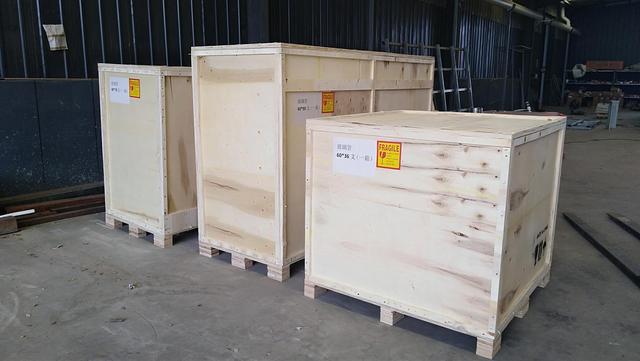
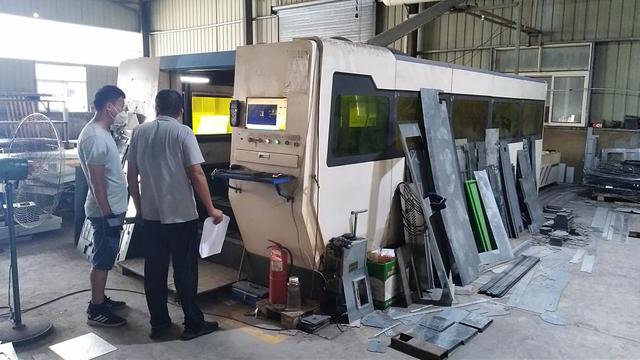
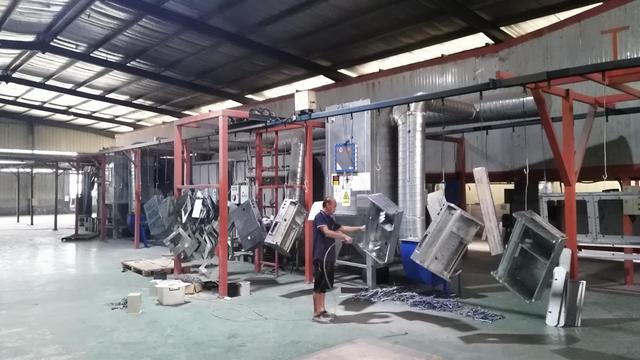
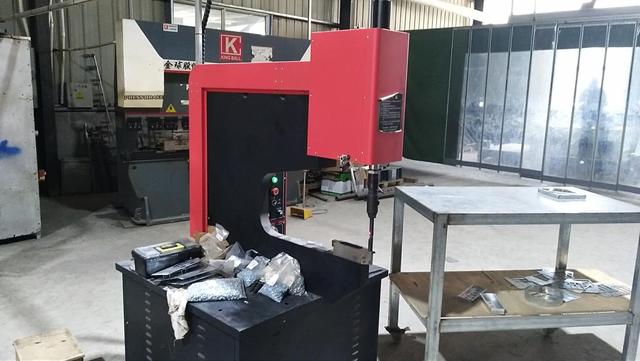
Located in Hangzhou, China, Hangzhou Kinray Laser Co., Ltd. operates a vertically integrated business model combining research and development, manufacturing, sales, and technical support. Our target is to supply high-reliability laser processing solutions that improve production speed, part traceability, and overall marking consistency. We service industries ranging from automotive and aerospace to medical hardware, packaging, electronics, and consumer retail.
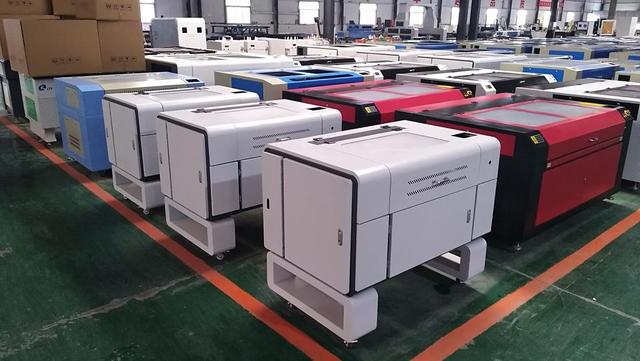
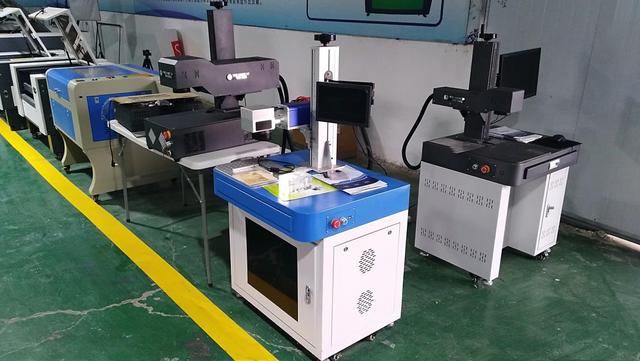
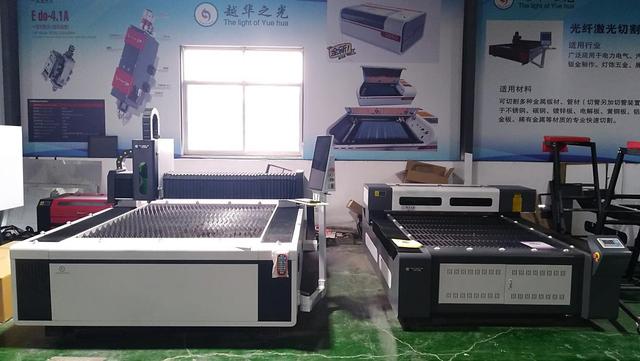
Our product lineup features fiber laser marking systems, UV laser marking equipment, CO2 laser engravers, MOPA systems, flying laser markers, 3D laser carvers, and custom automation cells. Because manufacturing environments vary, we offer flexible OEM and ODM services. This enables distributors, system integrators, and equipment brands to procure custom configurations tailored to their local voltage, safety standards, and factory floor layouts.
With an emphasis on quality management, every system is put through multi-stage quality control checks and burn-in tests to ensure stable performance. Kinray Laser systems are built to run in high-demand industrial production setups, providing clean, permanent markings on metals, plastics, glass, ceramics, and composites. We continue to focus on technology and service, aiming to help global manufacturers transition toward more efficient and sustainable production processes.
Direct engineering answers to technical queries, design choices, system calibration, and procurement decisions.
Select industrial units configured for low footprint, high material versatility, and complex geometric processing.
 Kinray Laser