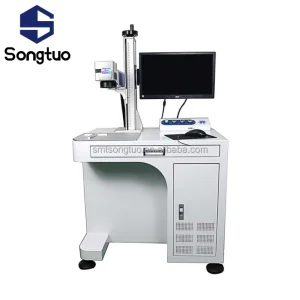
Top Trusted Laser Calibration Systems Supplier & Exporter

Empowering Global Smart Manufacturing with Metrology-Grade Optical Calibration, Laser Systems, and Traceable Precision Engineering Solutions.

Executive Summary: The Metrology-Grade Shift in Industrial Laser Manufacturing

In modern precision manufacturing, calibration is no longer merely a post-production sanity check—it is the foundational pillar of modern quality engineering. As global supply chains pivot toward Industry 4.0 paradigms, the demand for precision laser calibration systems, optical alignment architectures, and micro-machining systems has grown exponentially. Advanced laser manufacturing requires perfect coordinate alignment, sub-micron accuracy, and real-time drift compensation to eliminate production bottlenecks.

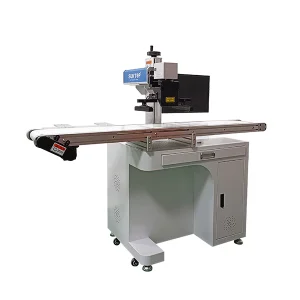
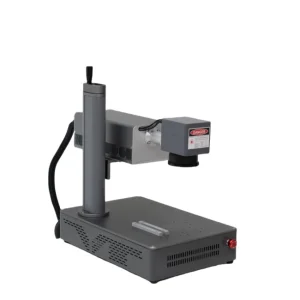
Hangzhou Kinray Laser Co., Ltd. stands at the forefront of this industrial transformation. Operating from our advanced facility in Hangzhou, China, we integrate state-of-the-art Research and Development with automated production frameworks to supply and export high-performance laser calibration systems, fiber, UV, and CO2 marking configurations, and custom machine-vision inspection integrations worldwide. Our design philosophy bridges the gap between raw laser emission power and absolute mechanical placement predictability, allowing global operators to realize traceable, high-yield manufacturing outputs.

0.001mm
Positioning Precision
100%
NIST Traceable Testing
50+
Exporting Countries
24/7
Technical Support

"In the era of micro-electronics and aerospace component serialization, laser calibration is not a secondary quality control process; it is the fundamental bridge that translates digital blueprints into perfect physical markings without structural degradation."

Global Business Context: Optical Traceability and Market Expansion

The international manufacturing sector is experiencing stringent regulatory shifts. Regulatory bodies such as the European Union (with CE and MDR medical marking requirements) and the US FDA (mandating Unique Device Identification - UDI) demand permanent, tamper-proof, and micro-precise product identifiers. Achieving this depth of compliance requires marking systems that are meticulously calibrated to compensate for thermal expansion, ambient room temperatures, and minor lens distortions.

Kinray Laser addresses this challenge by embedding self-correcting calibration models into our dynamic laser marking units. Our global integration network guarantees that distributors, OEM system designers, and high-volume factories receive hardware optimized to maintain laser spot consistency across the entire field of view, minimizing standard deviation in high-speed batch productions.

Deep Technical Breakdown: How Laser Calibration Modulates System Accuracy

Optical calibration in scanning galvanometer-based systems involves mapping a two-dimensional coordinate space onto a flat surface through an F-Theta field lens. Because the galvanometers operate on rotational coordinates, standard linear scaling results in barrel distortion (or pincushion distortion). To counteract this, Kinray Laser incorporates three tiers of structural calibration:

  • F-Theta Lens Distortions Compensation: Advanced grid correction algorithms map optical deviations across varying focal lengths, ensuring a uniform spot size and roundness at the extreme corners of the marking area.
  • Galvanometer Drift Mitigation: Temperature fluctuations in motor drivers induce analog drift. Our calibration loops leverage temperature sensors combined with real-time feedback loops to stabilize target path tracking.
  • CCD Vision-Assisted Spatial Mapping: Integrating high-definition cameras into the optical axis enables automated offset calculation, adjusting part coordinates on the fly to fit within a sub-0.05mm target parameter.

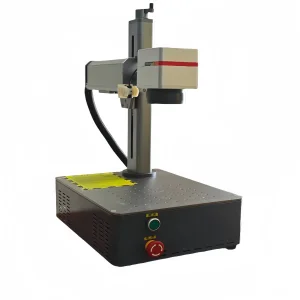
Through this meticulous architectural configuration, Kinray’s MOPA, fiber, and UV laser markers achieve consistent line profiles, preventing shallow markings that could lead to subsequent quality inspection failures.

Macro Industry Solutions & Applications

Different manufacturing domains present distinct technical requirements. Our customizable optical frameworks cater to these diverse operational environments:

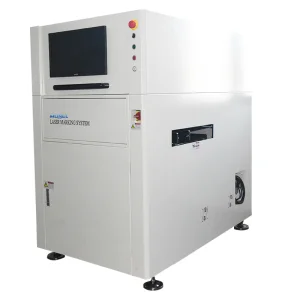
  • Electronics & SMT Production Lines: Implementing high-speed, dual-single track PCB marking machines equipped with vision guidance. These systems dynamically adjust to board warp and component misalignment without slowing down the line.
  • Medical Equipment Manufacturing: Producing corrosion-free, passivated markings on surgical-grade stainless steel using precise MOPA laser systems, avoiding substrate contamination or deep heat-affected zones.
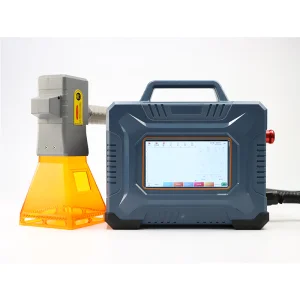
  • Automotive Part Serialization: Rugged, dust-sealed, and vibration-proof fiber lasers configured for continuous laser marking of steel castings, aluminum housings, and polymer components.
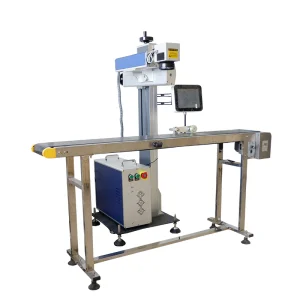
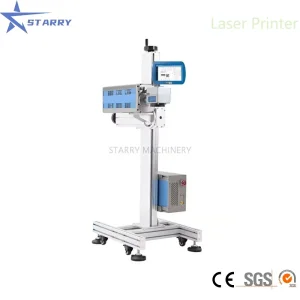
  • FMCG Packaging & Flying Laser Coding: On-the-fly packaging coding operations requiring real-time coordinate tracking matched to dynamic conveyor encoder inputs.

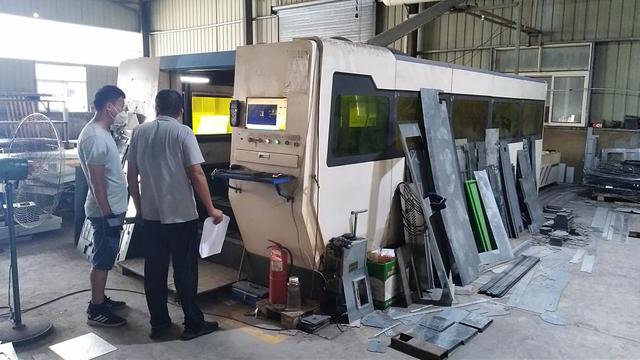
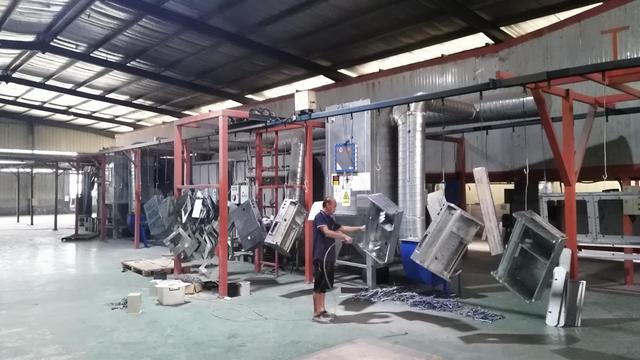
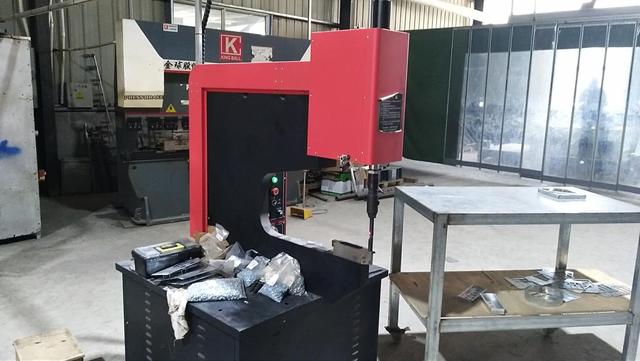
State-Of-The-Art Manufacturing & Testing Facilities

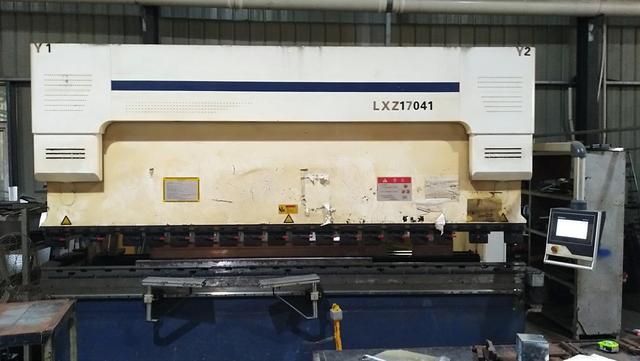
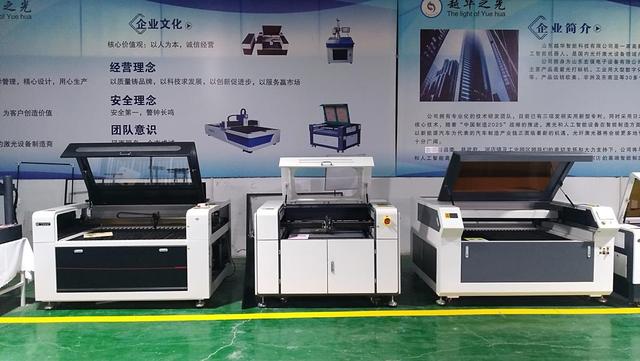
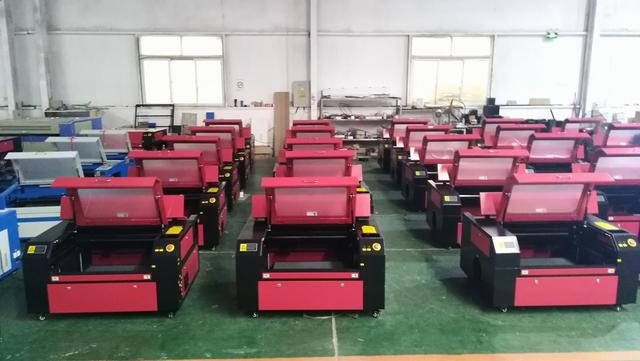
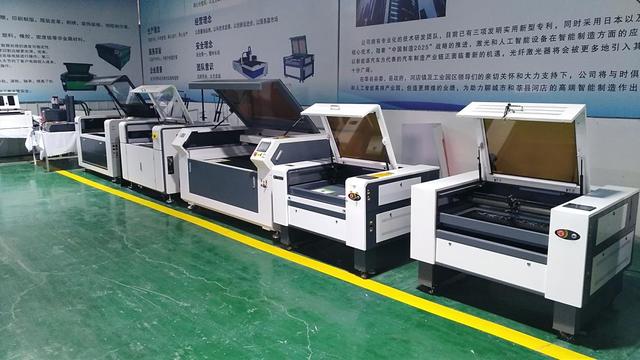
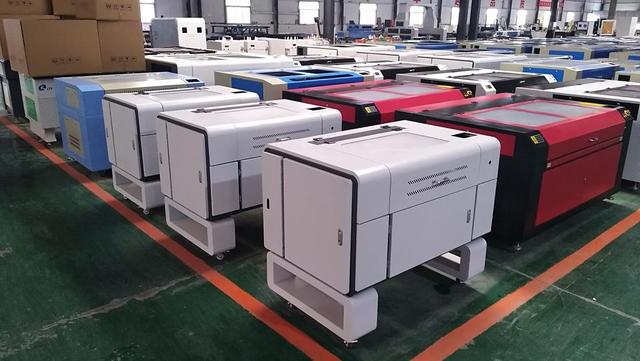
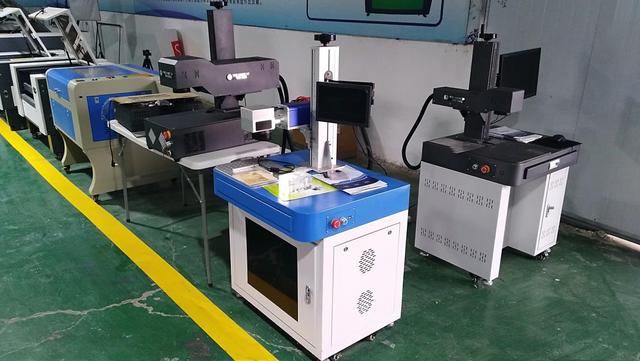
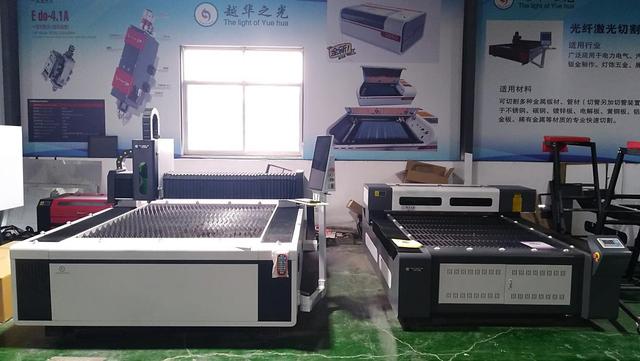
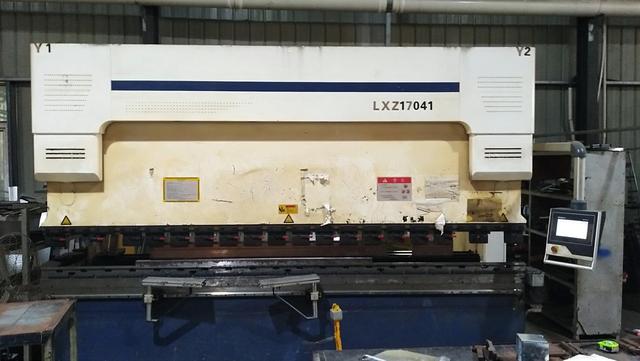
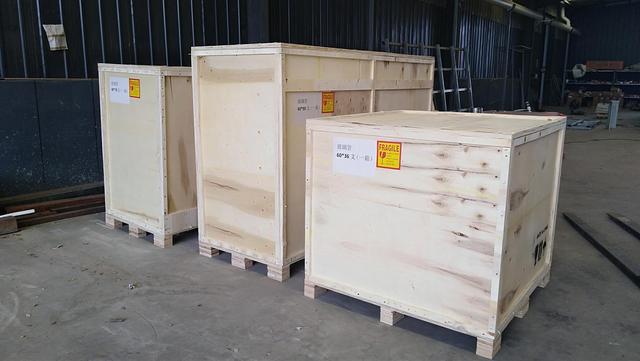
A visual showcase of our rigorous research laboratories, modern production floors, and advanced testing setups in Hangzhou.
Localization Support, Compliance Engineering & Export Protocols

Kinray Laser serves a diverse international client base, ensuring that every machine shipped complies with the unique safety, electric, and environmental regulations of the destination country.

  • Certifications & Standardization: All machines comply with European Union CE directives, North American FDA requirements, and global ISO 9001:2015 quality management procedures.
  • EMC & Electrical Safety: Systems are designed with heavy industrial insulation, high-grade electromagnetic shielding, and reliable emergency-stop circuits.
  • On-Site Technical Deployments: Supported by our network of local distributors and service partners, we offer comprehensive training, system commissioning, and optical recalibration support globally.

Technology Roadmap: Next-Generation Laser Processing (2025 and Beyond)

Our R&D roadmap focuses on the integration of artificial intelligence (AI) and closed-loop control to automate laser processes. Our current development pipeline includes:

  • AI-Driven Adaptive Field Correction: Intelligent neural-net software that analyzes material reflections and automatically corrects galvo speed to compensate for localized heat buildup.
  • Integrated Thickness & Depth Sensors: Inline optical sensors that measure laser engraving depths in real-time, adjusting beam parameters dynamically to maintain target depth.
  • Multi-Wavelength Hybrid Architectures: Combining the high-absorptivity advantages of green/UV wavelengths with the rapid processing speeds of fiber lasers in a unified optic chain.

Frequently Asked Technical Questions

Providing clear, expert answers to common queries regarding optical calibration, system selection, and industrial integration.

Why is geometric calibration critical for galvo-scanning laser systems?
Galvanometer scanners translate angular motor rotations into linear movement. This naturally introduces optical errors (like pincushion distortion). Geometric calibration uses correction tables (f-theta grid files) to map coordinates, ensuring that a 10mm line is marked exactly at 10mm, whether processed in the center or at the outer edges of the work field.
What are the advantages of integrating a CCD vision system with a laser marker?
A CCD vision system automatically detects the position and rotation of the workpiece on the processing table. The laser software then shifts and rotates the marking vector file to match the physical orientation of the part, eliminating the need for expensive precision positioning fixtures and reducing operator placement errors.
How do MOPA fiber lasers differ from Q-switched fiber lasers during marking?
MOPA (Master Oscillator Power Amplifier) fiber lasers offer adjustable pulse durations (ranging from 2ns to 500ns), whereas standard Q-switched lasers have a fixed pulse duration. This adjustability allows for precise heat management, enabling color marking on stainless steel, dark engraving on anodized aluminum, and reduced thermal damage on delicate plastics.
How does Kinray Laser manage thermal drift during continuous 24/7 manufacturing?
We use high-stability digital galvos and optical components with low thermal absorption. In high-power systems, water cooling circulates thermal energy away from the optical cavity. Additionally, our controller cards feature thermal-drift compensation algorithms that calibrate motor positions based on real-time temperature feedback.
Does Kinray Laser provide customized software integrations for MES/ERP platforms?
Yes. Our laser software supports industrial communication protocols (including TCP/IP, Modbus, and Profinet). This enables automated marking systems to retrieve serialized data directly from MES/ERP databases, execute the mark, and verify readability using dynamic vision inspection in a closed loop.