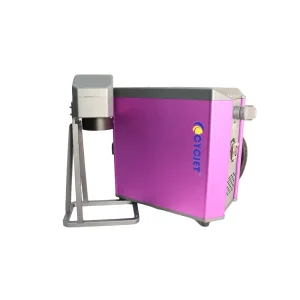
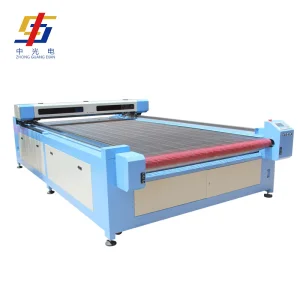
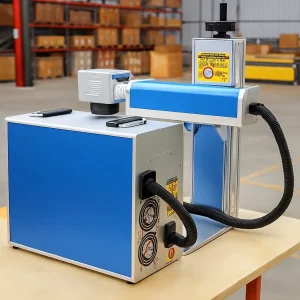
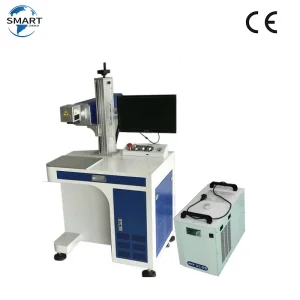
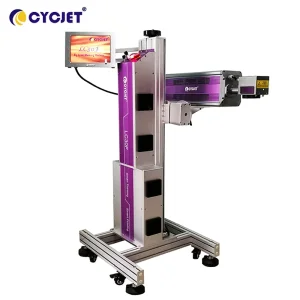
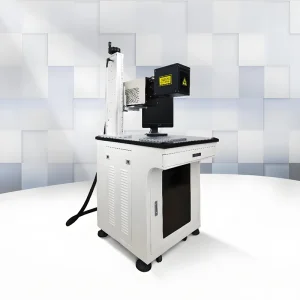
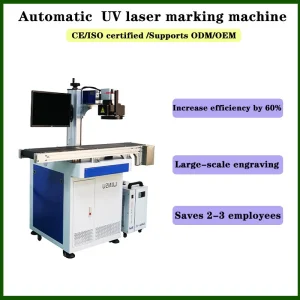
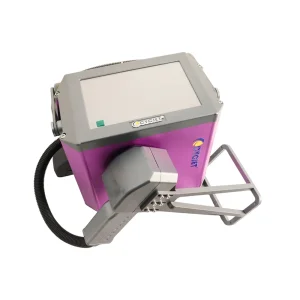
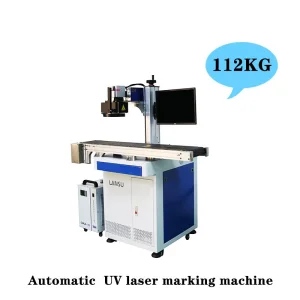
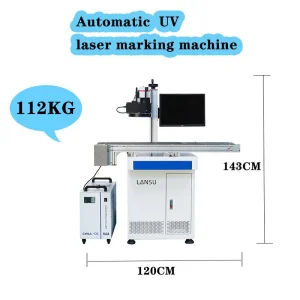
Explore our leading laser engraving systems tailored for medical devices, precision micro-machining, and high-volume electronics manufacturing.
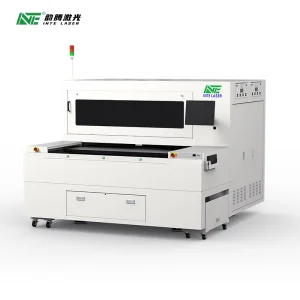
Costa Rica has positioned itself as the premier hub for medical technology (MedTech) manufacturing and advanced electronics assembly in Central America. Inside free-trade zones like the Coyol Free Zone and Zona Franca América, global blue-chip corporations produce high-value components requiring extreme levels of manufacturing compliance, structural integrity, and long-term surface traceablity.
The transition from traditional mechanical printing to non-contact industrial laser engraving systems is motivated by strict demands for cleanroom safety, indelible marking, and chemical resistance. In these specialized manufacturing facilities, micro-traceability is not just a standard—it is a legal requirement governed by global regulatory frameworks including the FDA, EMA, and the EU Medical Device Regulation (MDR).
When engineering departments in Costa Rica source laser engraving systems, they seek more than basic machinery specifications. High-performing manufacturing nodes require system documentation that includes laser power distribution maps, pulse duration variables, and beam quality metrics (M² factors). Ensuring correct material interaction is fundamental to preventing structural micro-cracks or heat-affected zones (HAZ).
At Hangzhou Kinray Laser Co., Ltd., we customize our platforms to seamlessly integrate with local industrial voltage grids (120V/240V, 60Hz) and interface directly with internal manufacturing execution systems (MES) via Ethernet/IP, TCP/IP, or Profinet protocols. This level of technical alignment guarantees that manufacturers in San José, Alajuela, and Heredia can sustain high throughput while complying with regional and international industrial regulations.
Delivering tested, compliant, and highly repeatable laser systems to manufacturers in Costa Rica and across the globe.
Your trusted manufacturing partner for advanced fiber, ultraviolet, and carbon dioxide laser marking systems.
Hangzhou Kinray Laser Co., Ltd. is a leading China industrial laser marking machine manufacturer specializing in advanced fiber and UV laser solutions for global manufacturing industries. With a strong focus on innovation, precision, and intelligent manufacturing, Kinray Laser is committed to delivering high-performance laser equipment that improves production efficiency, product traceability, and marking quality.
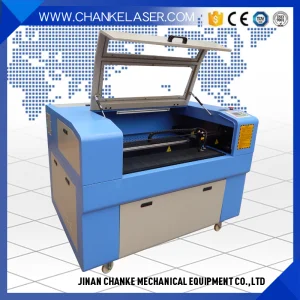
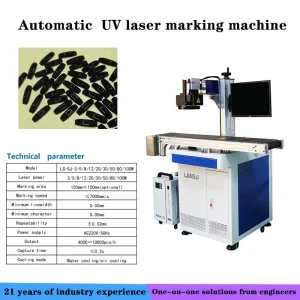
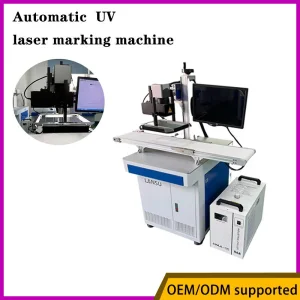
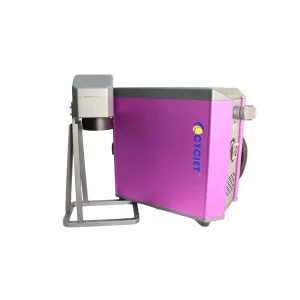
Located in Hangzhou, China, the company integrates research and development, manufacturing, sales, and technical support to provide comprehensive laser processing solutions for customers worldwide. Our extensive product portfolio includes fiber laser marking machines, UV laser marking machines, CO2 laser marking systems, MOPA laser markers, flying laser marking machines, 3D laser marking equipment, and customized automated laser solutions.
Kinray Laser products are widely used in electronics, automotive, medical devices, precision hardware, jewelry, packaging, aerospace, consumer goods, and industrial manufacturing industries. Designed for high-speed, high-precision, and permanent marking applications, our systems are capable of processing a wide range of materials, including metals, plastics, ceramics, glass, and composite materials.
Equipped with advanced production facilities and rigorous quality management systems, Kinray Laser maintains strict quality control throughout every stage of manufacturing. Each machine undergoes comprehensive testing to ensure stable performance, reliability, and compliance with international standards.
To support global customers, we offer flexible OEM and ODM services for distributors, system integrators, equipment brands, and industrial manufacturers. Our experienced engineering team works closely with customers to develop customized laser solutions tailored to specific production requirements, automation needs, and industry applications.
Driven by technological innovation and customer satisfaction, Hangzhou Kinray Laser Co., Ltd. continues to expand its global presence and strives to become a trusted partner for intelligent laser processing solutions, helping manufacturers achieve smarter, more efficient, and sustainable production.
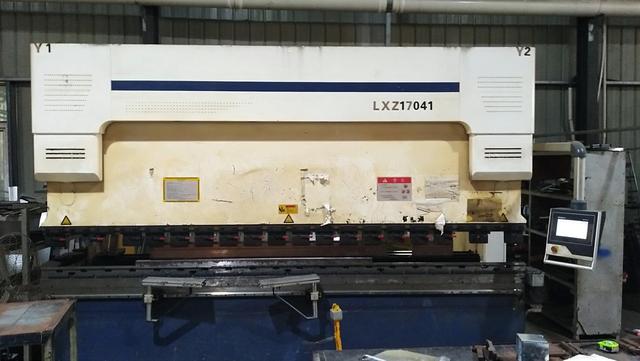
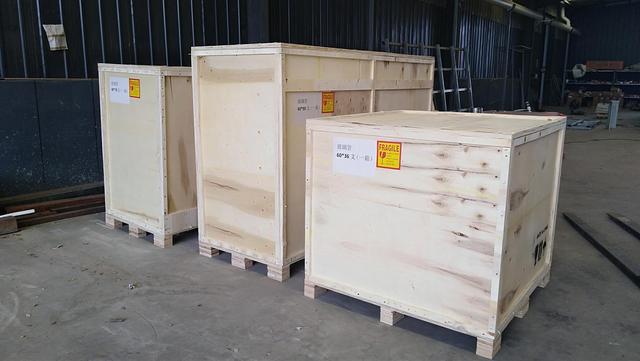
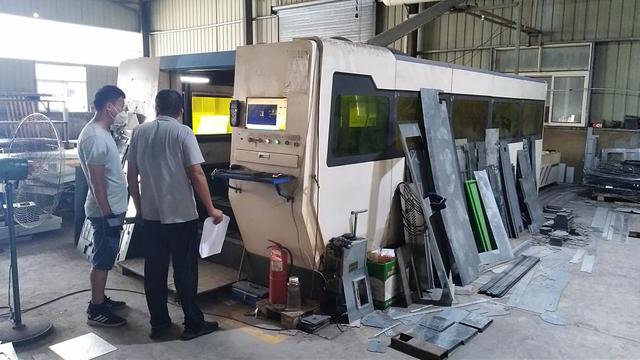
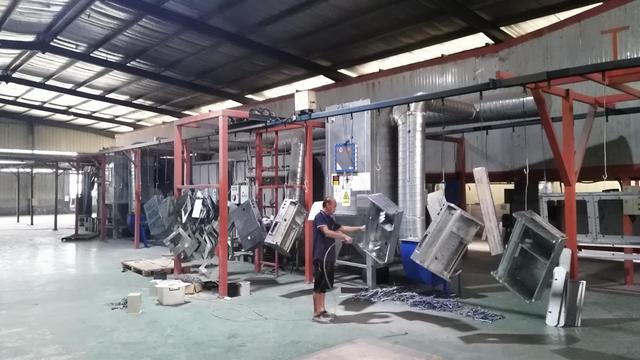
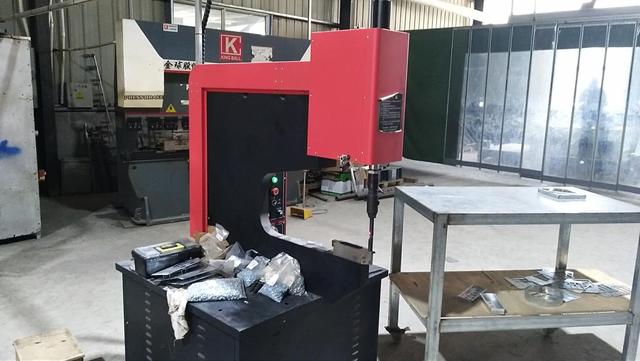
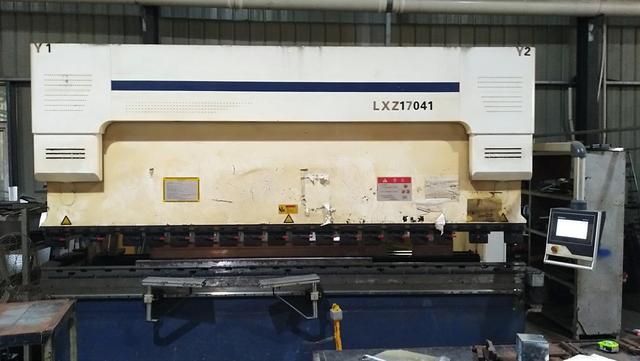
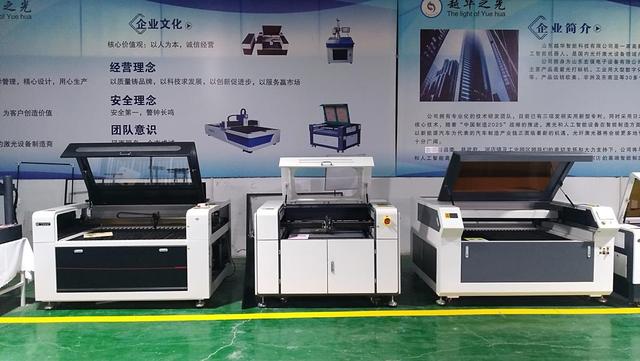
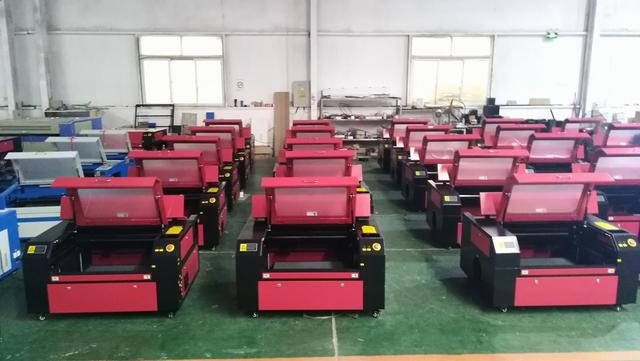
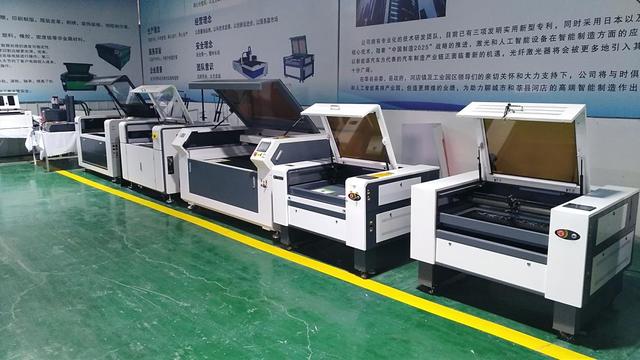
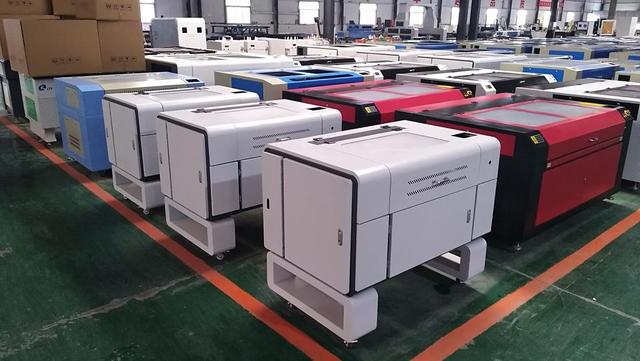
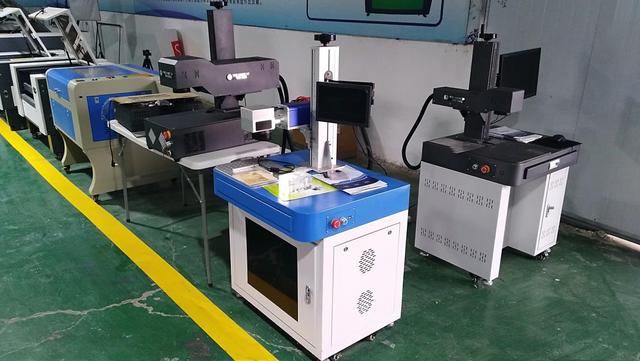
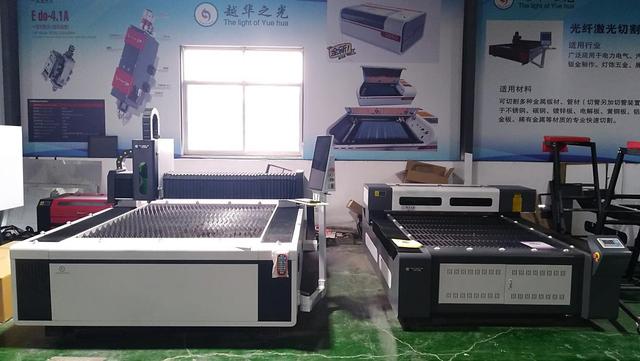
Every industrial laser system is assembled in modern production facilities and undergoes rigid component inspections before shipment.
Choosing the correct laser wavelength, pulse width, and power parameters for medical-grade plastics, alloys, and packaging substrates.
| Laser Source Technology | Wavelength & Characteristics | Primary Substrates (Costa Rica Apps) | Key Application Strengths |
|---|---|---|---|
| Ultraviolet (UV) Laser | 355 nm - Cold Laser Processing | PEEK, Silicone, Fluoropolymers, Glass, Ceramics | Prevents thermal damage; highly readable, carbonized contrast without burning. Ideal for surgical catheters. |
| Fiber Laser (Standard Q-Switched) | 1064 nm - High Peak Power | Stainless Steel (316L), Titanium, Aluminum, Brass | Fast deep marking, metal engraving, structural asset marking, serial coding for automotive and aerospace. |
| MOPA Fiber Laser | 1064 nm - Adjustable Pulse Width (4-200 ns) | Stainless Steel (Corrosion-free marking), Anodized Aluminum | Precise control of heat; produces oxide color layers on titanium and high-contrast dark marks on surgical steels. |
| CO2 Laser System | 10.6 µm - Longwave Infrared | Silicone, Acrylics, Wood, Leather, Paperboard Packaging | High-speed cutting and marking of non-metals; optimal for microfluidic channel fabrication and organic materials. |
A key challenge in the manufacture of medical devices in Costa Rica is ensuring Unique Device Identification (UDI) compliance under FDA guidelines. Marks must remain clean, clear, and perfectly readable through multiple cycles of disinfection. Standard engraving methods can destroy the protective passive layer on alloys (e.g. 300-series stainless steel), causing rust formation.
Our MOPA (Master Oscillator Power Amplifier) laser systems resolve this issue by modulating the pulse width. This allows the laser to create a dark, passivated mark below the surface of the metal without destroying the chromium oxide boundary layer. The resulting surface remains rust-resistant and satisfies all visual grading criteria under ASTM F1089 testing protocol.
We configure our systems to integrate into Costa Rican manufacturing facilities with zero disruption.
Select from our targeted systems designed for high speed, material diversity, and specialized manufacturing lines.
Engineered for electronic casings, consumer packaging, and localized engineering manufacturing requirements.
Answering high-level technical and operational questions concerning the implementation of industrial laser systems in Costa Rica.
Contact our engineering division today to discuss your materials, cycle time specifications, and compliance requirements. We provide free sample marking tests and complete industrial solution engineering layout support.
Request an Engineering Quote Kinray Laser