Explore our flagship laser configurations optimized for heavy industrial, automotive, and precision micro-machining lines across Italy.
Italy is recognized globally as the second-largest manufacturing nation in Europe. Renowned for its craftsmanship in mechanical engineering, luxury automotive development, leather goods, and packaging automation, Italian enterprises demand high-tier manufacturing machinery. With the continuous execution of the national "Piano Transizione 4.0" (Transition 4.0 Plan), Italian factories are transitioning rapidly toward intelligent, interconnected digital production systems.
Hangzhou Kinray Laser Co., Ltd. matches these rigorous standards by exporting advanced laser systems that offer full IoT compatibility. Our fiber, UV, and CO2 laser engraving machines are designed to integrate seamlessly into Italian Manufacturing Execution Systems (MES) and ERPs via industry-standard protocols such as Modbus and OPC-UA. This enables local factories in hubs like Lombardy, Veneto, and Emilia-Romagna to achieve complete traceability and qualify for tax incentives.
By supplying versatile, robust systems that operate at high duty cycles, Kinray Laser supports Italian manufacturers as they maintain their premium export quality in packaging, medical equipment, and precision hardware.
Repeatability Accuracy
Hours Laser Life
CE compliant
Ready Automation
Deploying the correct wavelength and pulse duration is critical to matching the heat-affected zone requirements of diverse industrial materials.
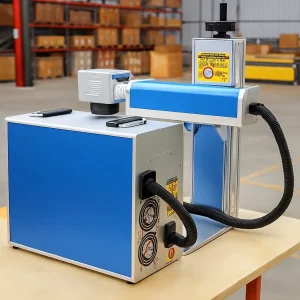
Ideal for Direct Part Marking (DPM) on structural metals, aerospace alloys, and heavy engineered plastics. Characterized by high thermal efficiency, extreme beam density, and zero maintenance overhead across high-duty automotive cycles.
A "cold processing" technique that causes minimal thermal stress. Essential for high-precision silicon sealing parts, PVC pipes, pharmaceutical packaging, and medical-grade components where chemical changes must be avoided.
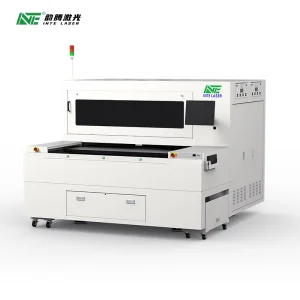
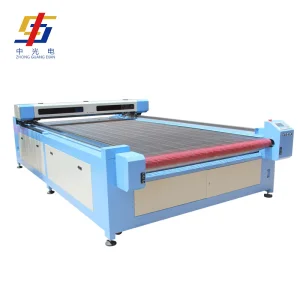
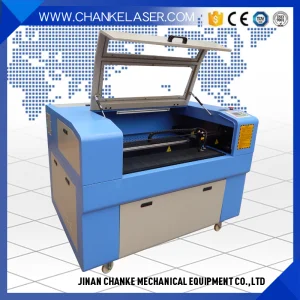
Highly absorbed by organic materials. The gold standard for rapid marking, engraving, and cutting of wood, leather goods, architectural glass, structural paperboards, and consumer packaging films.
Precision-targeted technologies designed for luxury glass engraving, high-speed coding, and automated alignment.
Every industrial region in Italy has specialized manufacturing demands that require high-precision laser marking. Kinray Laser systems are engineered to address the specific needs of these diverse sectors:
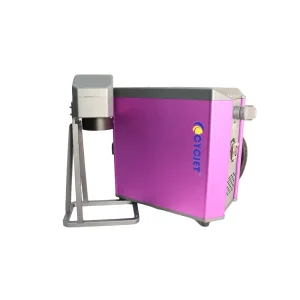
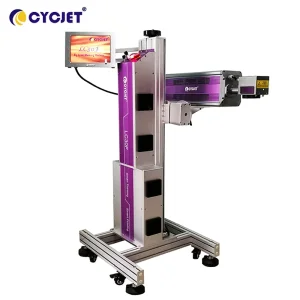
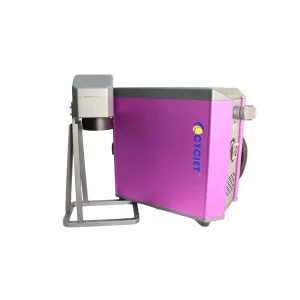
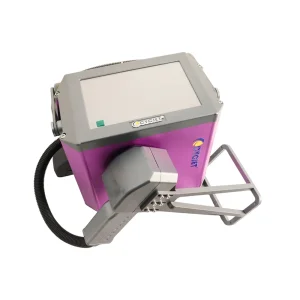
From the Motor Valley in Modena to Turin's automotive supply chain, heavy metal parts require clear, permanent Direct Part Marking (DPM) for traceabality. Our fiber lasers (including the Cycjet M20 series) generate deep engravings on anodized aluminum, structural steel, and composite materials that withstand wear, high temperatures, and chemical exposure.
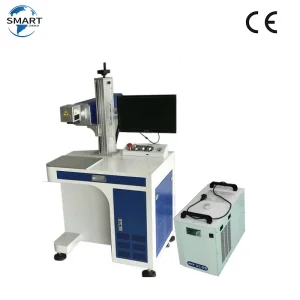
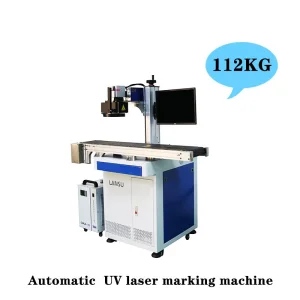
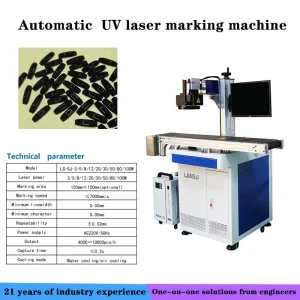
The fashion district in Florence depends on micro-marking and custom engraving for premium leather accessories, metal belt buckles, and hardware components. Our CO2 systems and UV vision systems (such as the Lansu 10W UV) engrave detailed designs on leather and synthetic materials without causing thermal damage or discoloration.
The eyewear hub in Belluno and Lombardy's medical instrument clusters require precise marking that meets European UDI directives. Our UV lasers provide sterile, burr-free marking on silicone seals, surgical steels, and plastics like PVC, PE, and ABS, ensuring zero contamination.
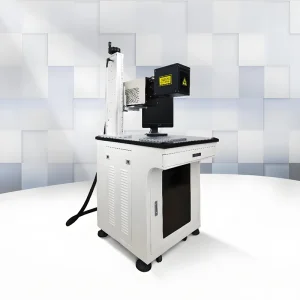
For historic and contemporary glassmakers, micro-cracking during marking is a critical issue. Our specialized femtosecond laser system allows for high-precision micro-machining and subsurface marking within soda-lime and borosilicate glass panels, preventing micro-fractures.
Modern industrial assembly lines are adopting dynamic, batch-size-of-one production. Traditional static fixtures are being replaced by automated, vision-guided marking systems. At Kinray Laser, our current R&D is focused on integrating coaxial machine vision alignment with real-time AI recognition.
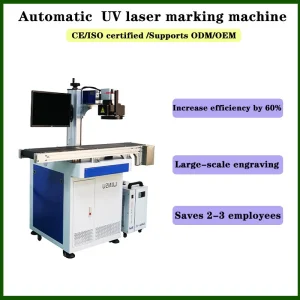
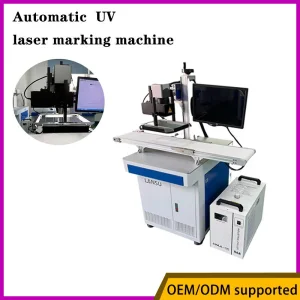
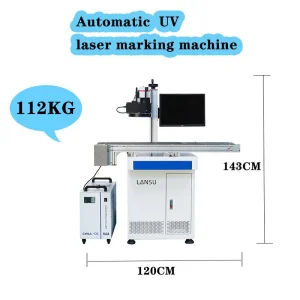
The Lansu UV Vision Laser system features an integrated camera that analyzes the shape, position, and orientation of components as they travel along a conveyor belt. The marking software automatically adjusts the beam vector coordinate file to match the part's alignment in real time, eliminating the need for precise mechanical placement. Looking ahead, our technical roadmap focuses on the development of multi-axis galvo control systems, 3D surface tracking, and direct integration with OPC-UA client servers to enable self-diagnostic capabilities.
Kinray Laser supplies certified, ready-to-run systems that meet the import regulations and manufacturing standards of the Italian market.
All imported industrial machinery must meet strict European directives. Our machines comply with the Machinery Directive 2006/42/EC, Electromagnetic Compatibility (EMC) Directive 2014/30/EU, and Low Voltage Directive 2014/35/EU.
We prioritize operator safety by offering Class 1 laser enclosures featuring certified laser safety observation windows, built-in safety interlocks, and dedicated extraction ports for toxic fumes.
Through our technical partners in Italy, we offer local support for installation, custom integration, and calibration, along with prompt delivery of replacement optical components.
Explore our industrial-grade fiber, UV, and multi-wavelength laser systems engineered for high-volume manufacturing lines in Italy.
Hangzhou Kinray Laser Co., Ltd. is a Chinese manufacturer specializing in industrial laser marking and engraving systems for global industrial applications. Centering our operations on precision and intelligent manufacturing systems, we supply industrial laser equipment designed to optimize production efficiency, reliability, and marking accuracy.
Based in Hangzhou, China, our operations cover research and development, manufacturing, sales, and technical support. Our catalog features high-performance fiber laser markers, UV laser markers, CO2 laser marking systems, MOPA adjustable-pulse markers, flying lasers for dynamic processing lines, and custom automation cells.
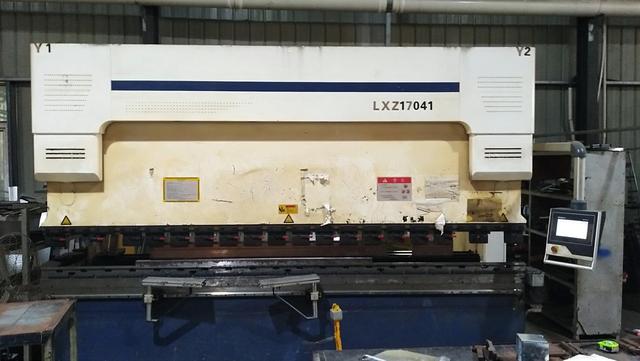
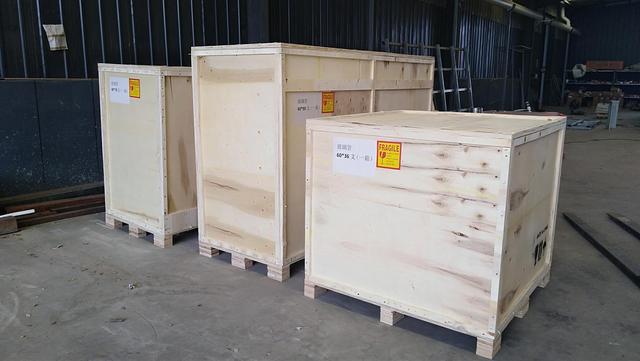
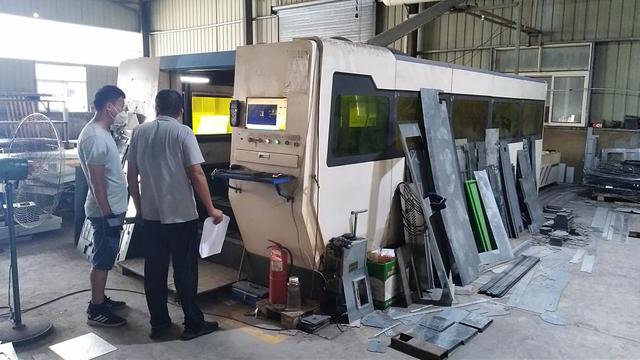
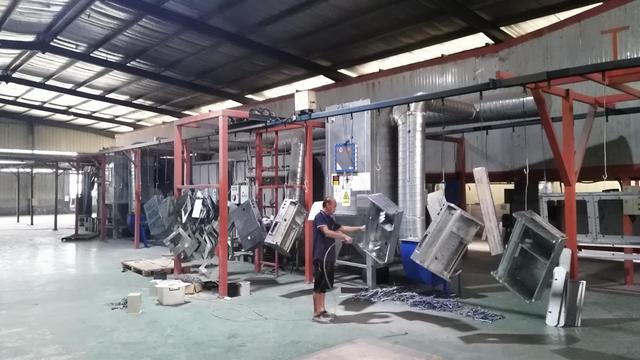
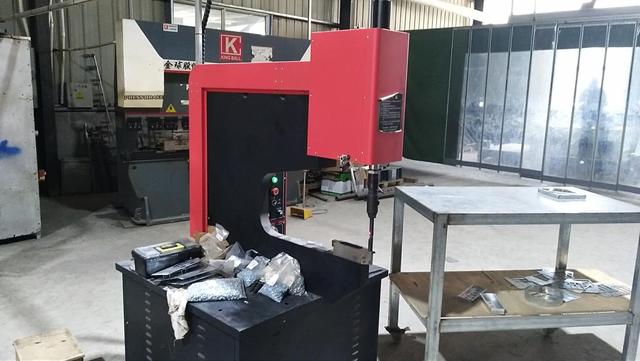
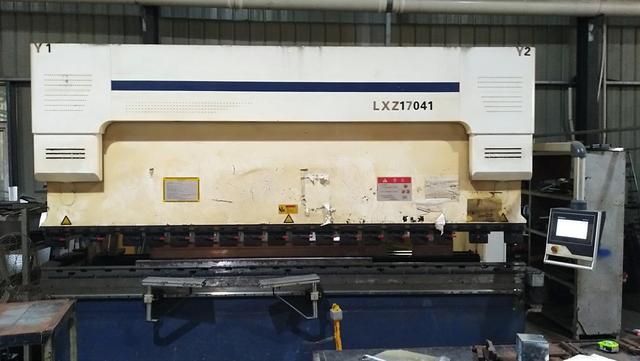
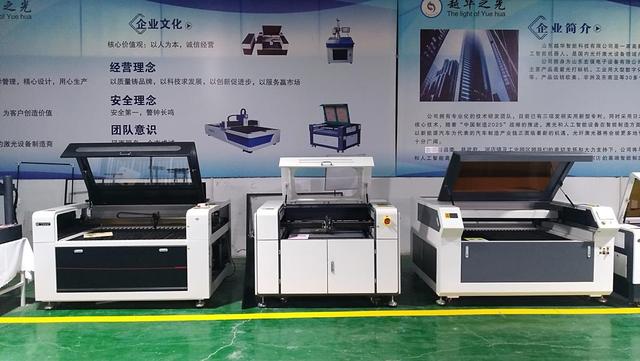
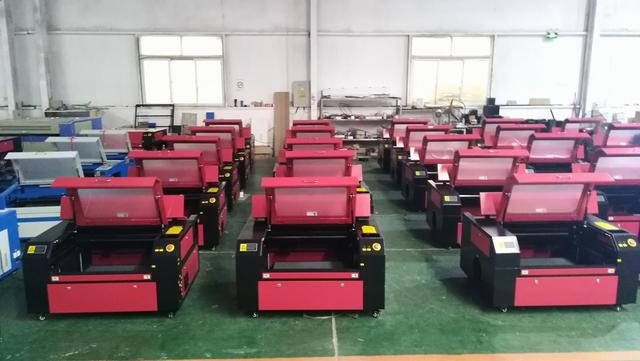
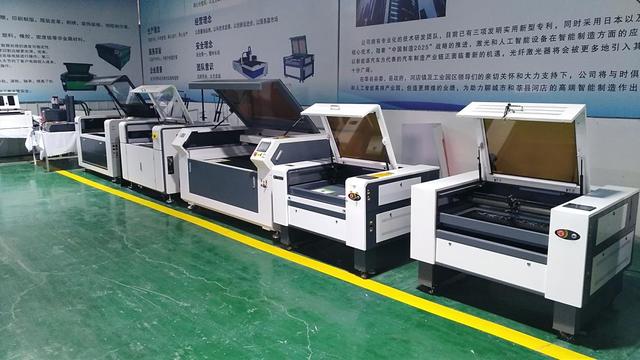
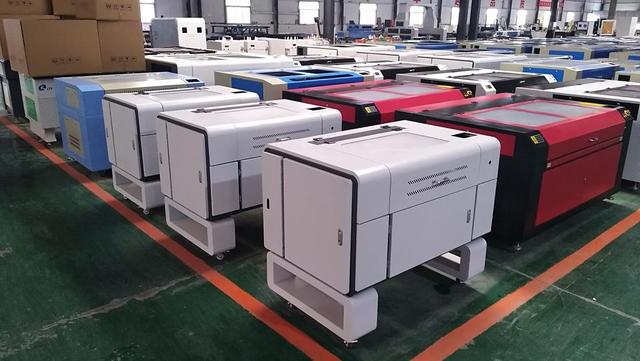
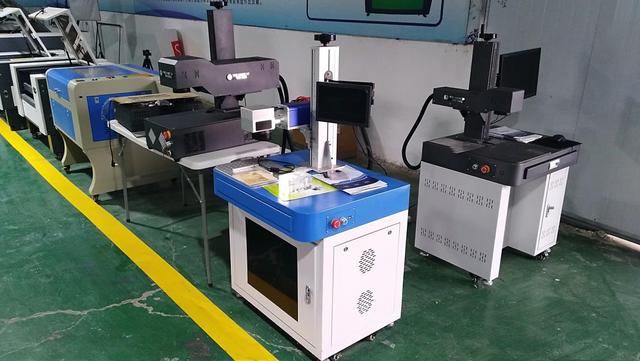
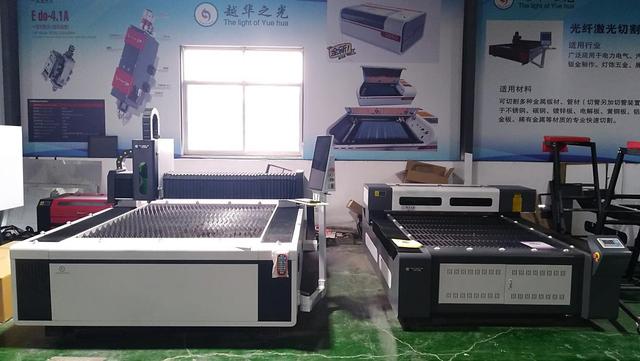
Our systems process a wide range of materials, including structural metals, engineering plastics, technical ceramics, glass substrates, and composites. We operate rigorous manufacturing controls, ensuring that every machine undergoes comprehensive testing for beam quality, galvo response, and thermal stability before global dispatch.
To support our network of distributors, systems integrators, and OEM brands, we offer flexible OEM and ODM services. Our engineering team collaborates with clients to design customized enclosures, specialized software interfaces, and physical automation cells that align with local manufacturing workflows.
Expert information on choosing, integrating, and operating industrial-grade laser engraving systems.
 Kinray Laser