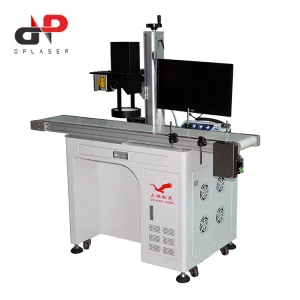
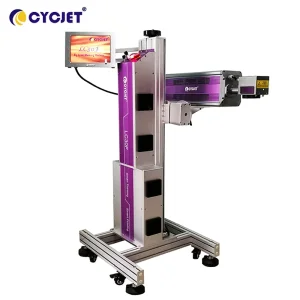
In the era of advanced industrial automation and intelligent manufacturing, precision material processing demands unparalleled reliability, speed, and accuracy. Hangzhou Kinray Laser Co., Ltd. stands at the forefront of the global optical manufacturing industry as a premier China industrial laser marking machine manufacturer. We specialize in engineering state-of-the-art fiber, UV, CO2, and MOPA laser technologies tailored to fulfill the sophisticated requirements of modern manufacturing pipelines.
Leveraging deep research and development capacities, Kinray Laser integrates optical physics, mechanical engineering, and intelligent software control systems. This enables global industries to transition from traditional processing to high-yield, smart manufacturing setups. Whether you require micro-marking on medical-grade silicone tubes or robust heavy-duty industrial metal engraving, our product ecosystem provides absolute traceability and exceptional permanent markings.
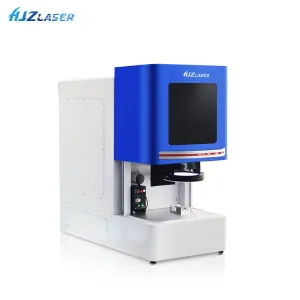
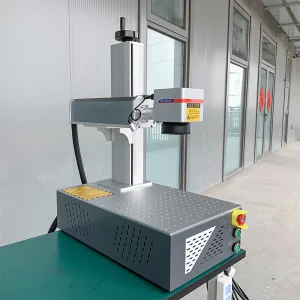
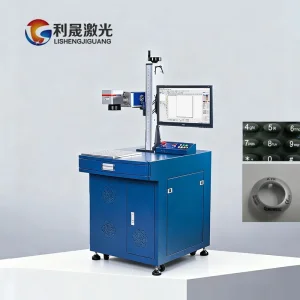
Explore our elite range of CNC and optical galvanometer laser systems optimized for throughput, trace coding, and clean-cut engraving.
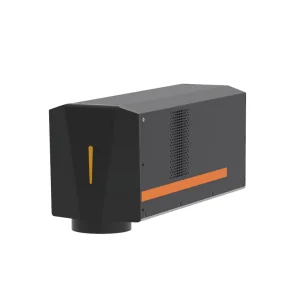
Driving advancements in ultra-precise light manipulation, pulse duration control, and multi-wavelength processing.
By transitioning from standard fiber oscillators to Master Oscillator Power Amplifier (MOPA) systems, our technology provides adjustable pulse widths (from 1ns to 500ns). This mitigates the heat-affected zone (HAZ) on delicate materials, allowing color marking on stainless steel and crack-free engraving on sensitive polymer structures.
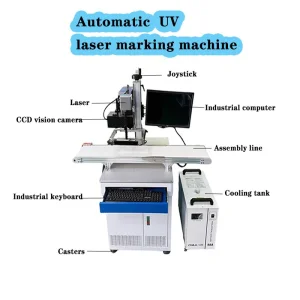
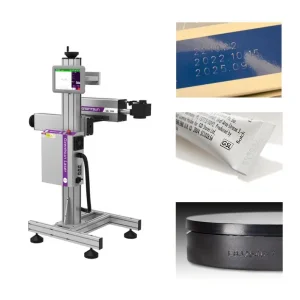
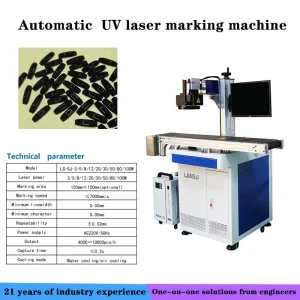
Kinray Laser’s ultraviolet technology leverages third-harmonic generation (355 nm) to deliver cold marking. This process relies on photochemical absorption rather than thermal destruction, which allows high-contrast markings on medical polymers and semiconductor wafers without structural compromise.
Future roadmaps include integrating deep-learning computer vision (CCD). These systems automatically calculate spatial orientation, compensating for rotation and tilt dynamically. This eliminates mechanical jigs and positions coding patterns in 3D space with sub-micron accuracy.
"Our commitment to next-generation laser engineering ensures that every system, from entry-level 20W tabletop variants to fully integrated 3D dynamic markers, meets the stringent optical coherence requirements needed for high-volume manufacturing lines." - R&D Department, Kinray Laser Co., Ltd.
| Laser Source Class | Typical Wavelength | Optimal Materials | Primary Industrial Use Case |
|---|---|---|---|
| Fiber Laser (Standard/MOPA) | 1064 nm | Stainless Steel, Brass, Aluminum, Engineering Plastics | High-Contrast Traceability Codes, Deep Engraving, Metal Annealing |
| UV (Ultraviolet) Laser | 355 nm | Glass, Crystals, Medical Silicones, HDPE, PP Plastics | "Cold Marking" without Micro-fractures, Clean Medical Device Labeling |
| CO2 Gas Laser | 10600 nm (10.6 µm) | Wood, Acrylic, Leather, Glass Mirrors, Packaging Boards | High-Speed Online Coding, Large Area Engraving & Cutting |
We deploy high-energy optical architectures that optimize tracing, identification, and micro-machining across diverse sectors.
Kinray Laser supplies the automotive sector with permanent marking solutions for chassis components, engine blocks, and critical cast assemblies. These markings are designed to withstand thermal cycles, chemical exposure, and mechanical stress, maintaining traceability throughout the vehicle's operational lifespan.
Our ultra-short pulse fiber and UV systems mark sub-millimeter characters on integrated circuits (ICs), PCB substrates, and fiber optic housings. These high-definition markings are clear and readable under standard machine vision inspection systems.
We deliver specialized, non-invasive markings for surgical instruments and medical tubing. Using UV cold marking techniques, we print high-resolution UDI codes on biocompatible plastics and silicone tubing without compromising sterility or structural integrity.
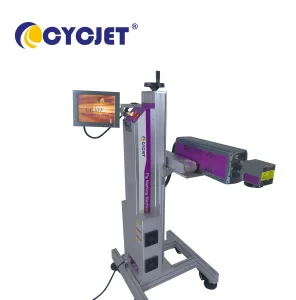
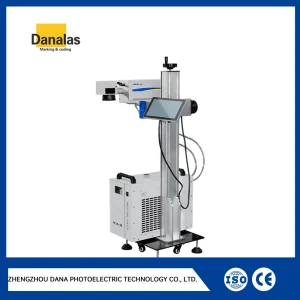
Our high-speed flyer laser markers integrate into high-volume bottling, canning, and packaging lines. These systems handle continuous-motion serialization, printing batch numbers, expiration dates, and 2D barcodes at speeds exceeding 1,200 characters per second.
Why sourcing from Hangzhou Kinray Laser Co., Ltd. ensures continuous equipment supply, stable pricing, and rapid delivery cycles.
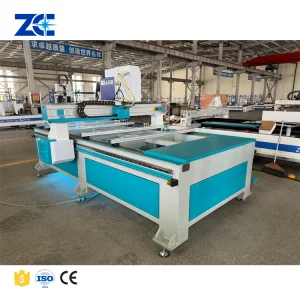
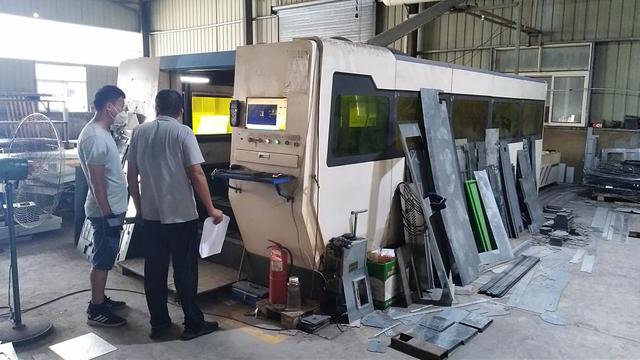
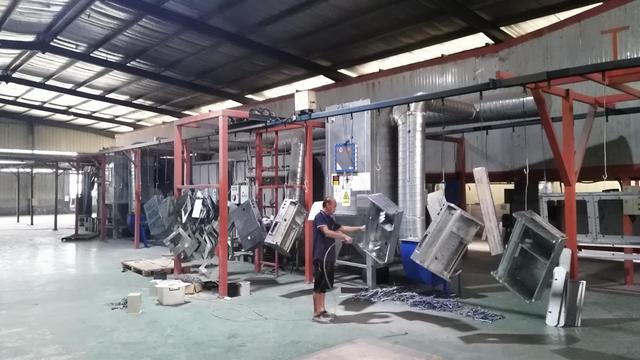
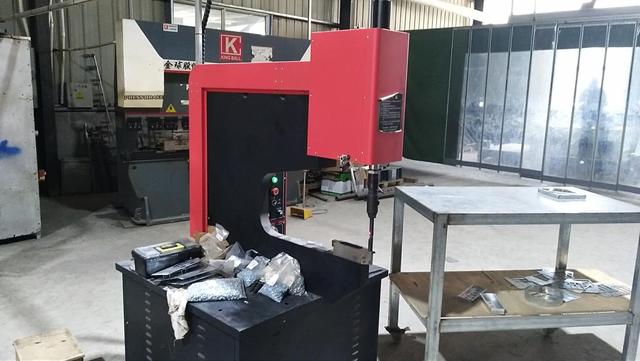
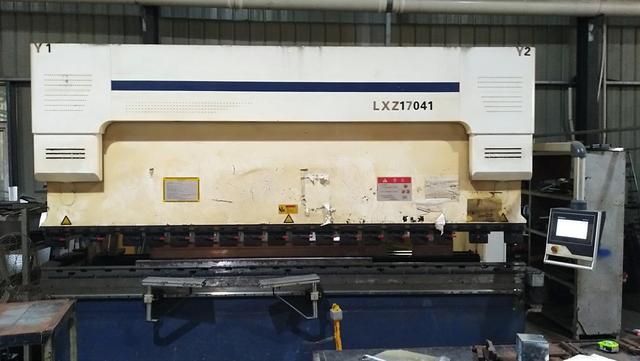
Operating from Hangzhou, one of China's primary high-tech manufacturing corridors, Kinray Laser has established a vertically integrated manufacturing structure. This approach brings together key components of the supply chain—from optical lens assembly to structural CNC chassis fabrication—under strict quality control. This integration helps minimize assembly lead times and shields our production processes from external supply chain disruptions.
Our factory runs advanced laser calibration systems and optical power testers. Every machine undergoes a continuous 72-hour burn-in phase, testing beam stability and thermal performance under load. This process helps ensure that when a unit arrives at your facility, it meets all operational specifications and is ready for immediate deployment.
Additionally, our local manufacturing setup provides a direct cost-to-performance advantage. We source premium industrial gain-mediums and combine them with optimized in-house software, passing these savings directly to our global customers and OEM partners without compromising on machine quality or performance.
A glimpse inside our Hangzhou facility, where precision engineering meets rigorous quality testing standards.
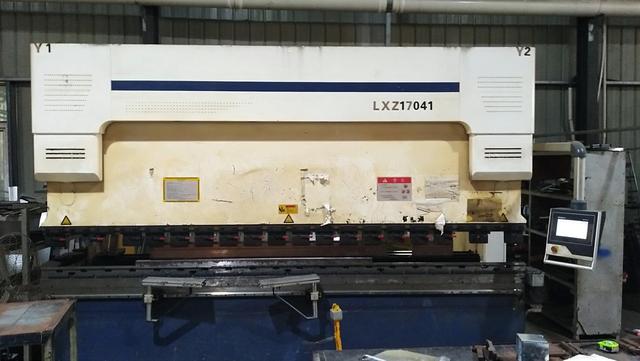
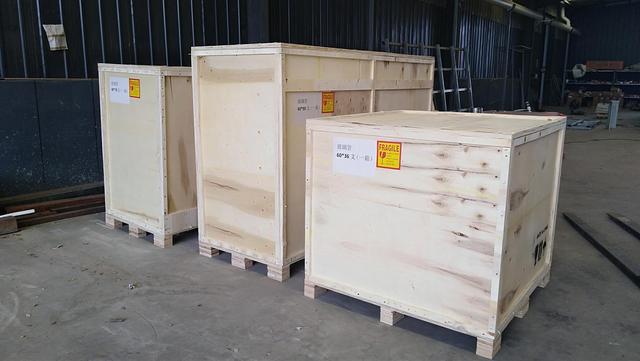
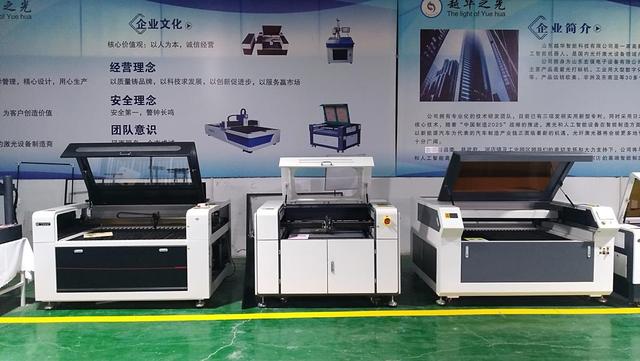
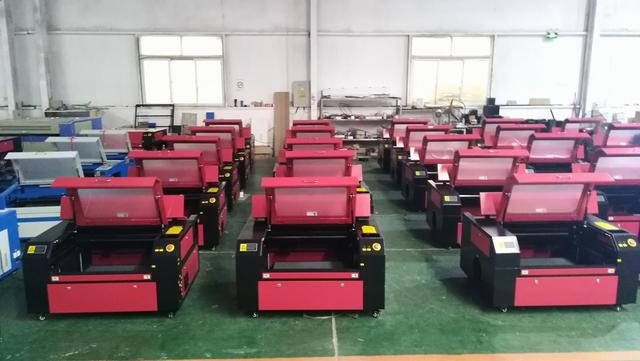
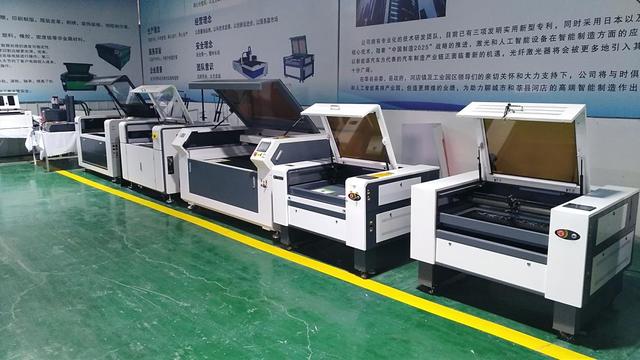
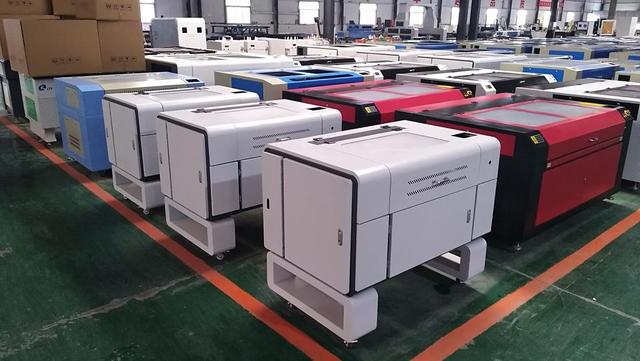
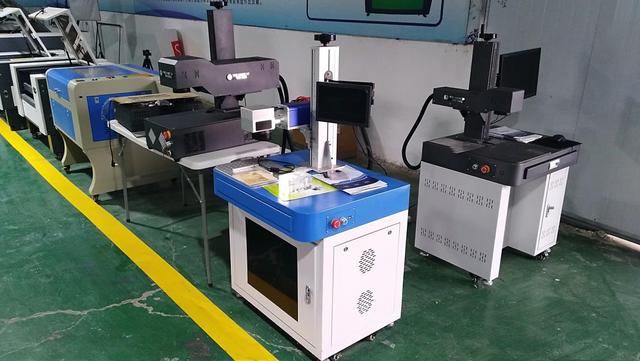
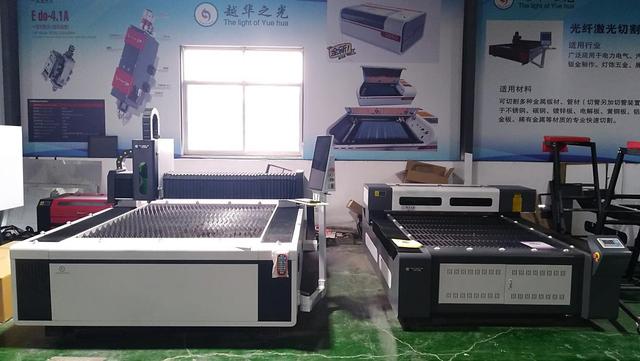
Meeting international standards while providing tailored engineering services for distributors, integrators, and plant owners.
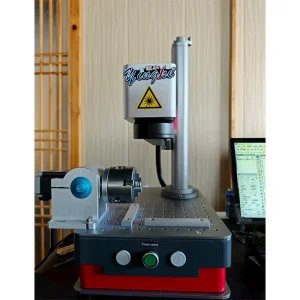
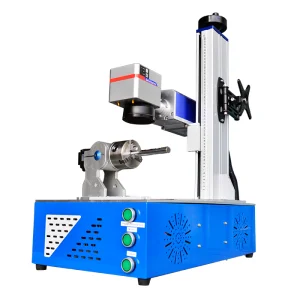
No two production lines are identical. That is why Kinray Laser offers comprehensive OEM and ODM services. Our engineering division works closely with system integrators and distributors to customize machinery housings, develop dedicated software interfaces, and design custom rotary attachments for specific geometric parts.
All Kinray Laser systems are engineered to meet global industrial standards. This includes installing proper safety interlocks, optical shielding enclosures, and emission controls to align with CE and FDA laser safety guidelines. We also integrate standard industrial communication protocols, such as Modbus, TCP/IP, and PROFIBUS, allowing our equipment to link directly into your PLC systems and SCADA networks.
Furthermore, our global logistics network coordinates shipping and handles customs documentation to ensure smooth delivery. We support your operations after delivery with detailed technical documentation, video training resources, and direct online support from our commissioning engineers.
Discover more specialized engraving and coding solutions, including high-precision handheld setups and dynamic 3D scanners.
Answers to technical and integration questions, helping you make informed decisions when choosing a high-power laser system.
Q-switched fiber lasers work with fixed pulse widths, making them well-suited for general metal engraving and deep etching. MOPA (Master Oscillator Power Amplifier) lasers feature adjustable pulse widths (typically ranging from 1 to 500 ns). This flexibility enables precise heat management, making MOPA systems ideal for color marking on stainless steel, dark marking on anodized aluminum, and clean marking on delicate plastics without melting the surface.
The 355nm UV wavelength is highly absorbed by many materials, causing a photochemical reaction rather than a thermal one. This "cold marking" process creates high-contrast marks by modifying molecular bonds directly, avoiding thermal stress. This is crucial for medical devices and glass, as it prevents micro-cracks and maintains a smooth, hygienic surface finish.
CCD vision systems capture images of the work area and dynamically adjust the laser's coordinates to compensate for any misalignment or rotation of parts. This reduces the need for precise mechanical positioning jigs, speeds up loading times, and helps prevent errors on high-throughput assembly lines.
Yes, our systems are built with automated integration in mind. They feature multiple I/O ports and support standard communication protocols like TCP/IP and Modbus, making it straightforward to connect them with conveyor systems, rotary tables, robotic arms, and factory PLCs.
All Kinray machines are built to meet international industrial standards, including CE certification and FDA compliance. They feature proper grounding, protective optical enclosures, and key-switch interlocks to ensure safe operation in demanding manufacturing environments.
 Kinray Laser