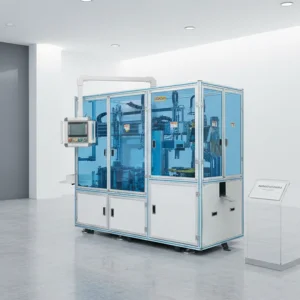
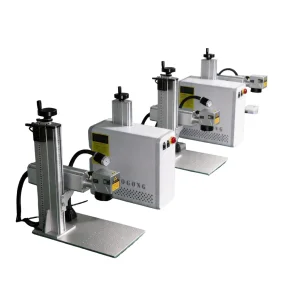
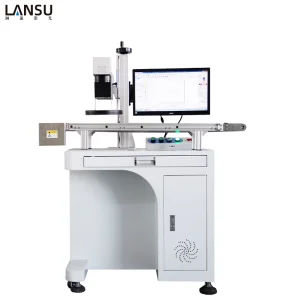
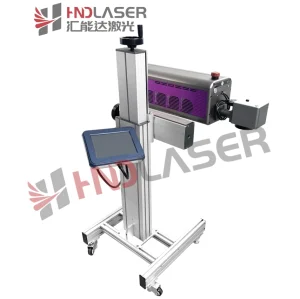
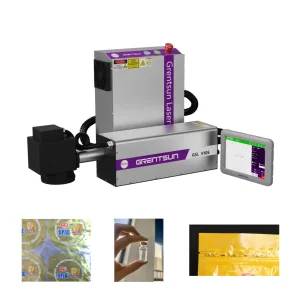
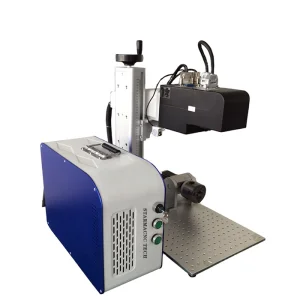
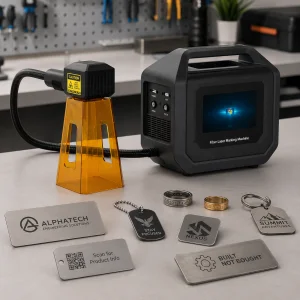
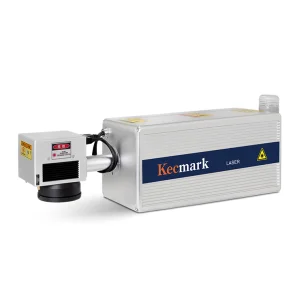
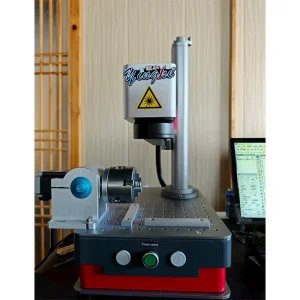
Explore our industrial-grade fiber, UV, and automated CCD laser positioning marking systems engineered for high-throughput factories.
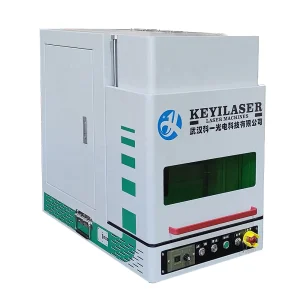
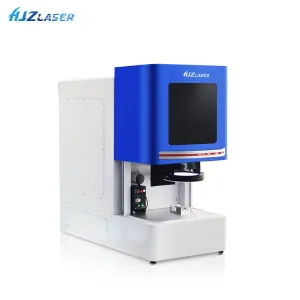
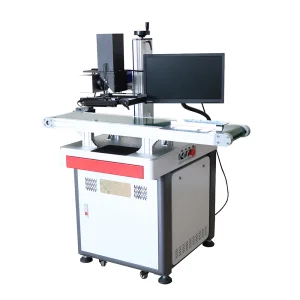
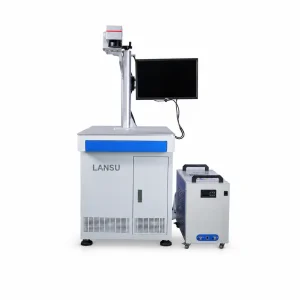

Analyzing precision calibration, micro-machining dynamics, and global supply chains for advanced traceability systems.
In the modern manufacturing landscape, component traceability and defect prevention are paramount. Industry 4.0 regulations demand that every medical device, semiconductor die, and aerospace bracket bear permanent markings for lifetime tracking. This requires integrated systems that not only engrave but also perform real-time verification.
Legacy marking units often struggle with thermal drift, optical distortions, and variations in material density. Modern laser quality control systems address these issues by combining advanced fiber or UV light sources with closed-loop CCD coaxial alignment and real-time vision verification. As global supply chains prioritize digital tracking, suppliers must deliver high-speed units that ensure consistent mark depths, high contrast ratios, and structural integrity across varied substrates.
A dependable laser marking setup functions as a complete quality control loop. Using high-resolution CCD cameras, the system measures part deviations in milliseconds and adjusts the galvanometer coordinates dynamically.
By utilizing multi-spectrum LED ring lights and telecentric f-theta lenses, distortion at the margins of the field is mitigated. MOPA (Master Oscillator Power Amplifier) fiber systems enable precise adjustment of pulse widths and frequencies, preventing structural deformation on thin metals and plastics.
Hangzhou Kinray Laser Co., Ltd. operates within the advanced optical manufacturing cluster of Hangzhou, China. This strategic location facilitates immediate access to precision components, localized raw materials, and skilled engineering teams. Our manufacturing processes utilize rigorous testing protocols to verify structural rigidity, power stability, and electrical isolation.
By maintaining vertical integration across our mechanical fabrication, optical path calibration, and software development teams, Kinray Laser supports global OEM and ODM demands. This enables fast turnarounds and flexible customization for system integrators and industrial users worldwide.
| Technology Type | Standard Wavelength | Primary Material Application | Thermal Distortion Zone | Key Quality Control Parameter |
|---|---|---|---|---|
| Fiber Laser (JPT / Raycus) | 1064 nm | Stainless Steel, Brass, Titanium, Hard Plastics | Minimal to Moderate | Pulse Frequency (kHz) & Peak Power Stabilization |
| UV Solid-State Laser | 355 nm | Glass, Sensitive Polymers, Sapphire, PCB Substrates | Extremely Low (Cold Processing) | Beam Quality Factor (M² < 1.2) & Spot Roundness |
| CO2 Gas Laser | 10600 nm | Wood, Acrylic, Glass, Leather, Organic Materials | High (Controlled Pyrolysis) | Gas Pressure Consistency & Scanning Speed Match |
| MOPA Fiber Laser | 1064 nm (Adjustable Pulse) | Color Marking on Stainless, Anodized Al, Thin Foils | Highly Tailored (Variable Peak) | Pulse Width Range (1.5 ns - 500 ns) |
Deploying industrial laser systems globally requires compliance with safety and technical standards. Kinray Laser systems are engineered to meet CE directives, FDA CDRH safety requirements, and ISO 9001:2015 quality standards.
To assist international customers, we offer extensive integration documentation, SDKs for ERP/MES system handshakes, and remote diagnostics. Whether integrated into a high-speed bottling plant or a medical cleanroom, our machines feature interlocked enclosures, emission filters, and multi-lingual operator interfaces to facilitate smooth field commissioning.
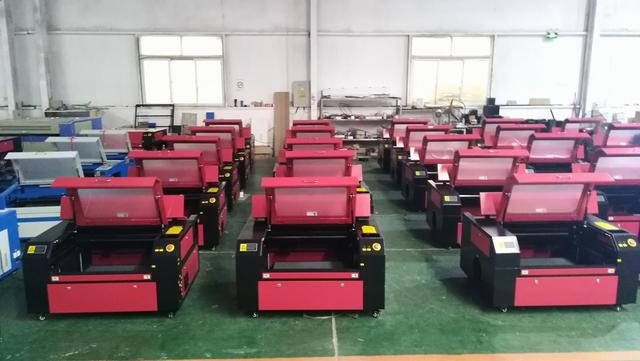
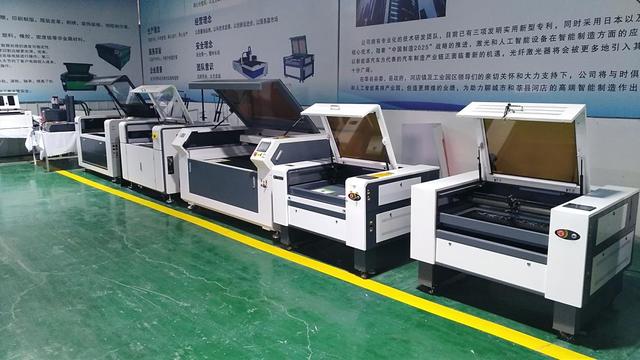
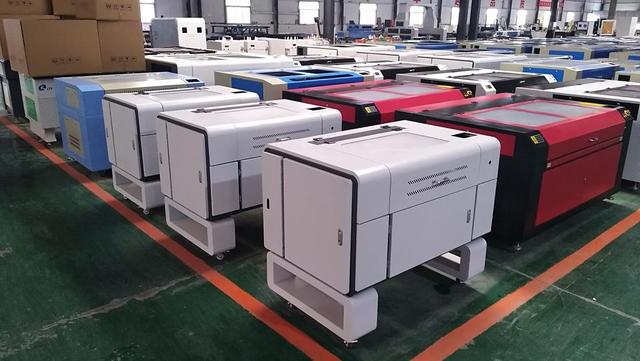
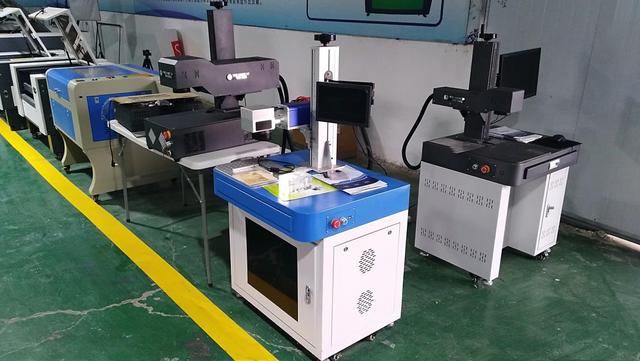
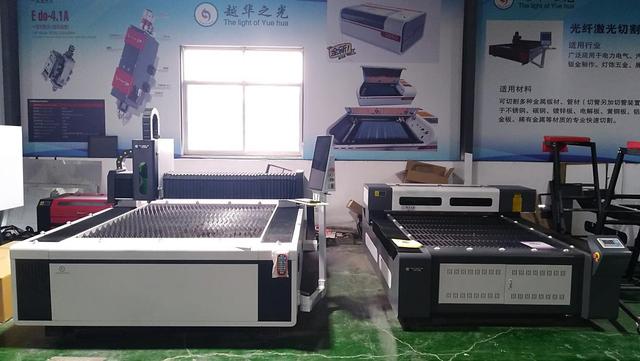
Inside our integrated R&D center and assembly plant, where laser paths are aligned, calibrated, and stress-tested.
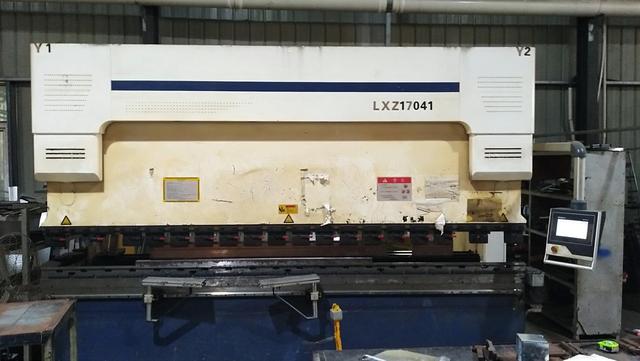
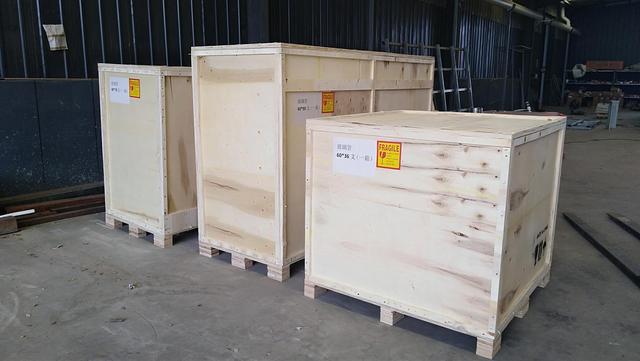
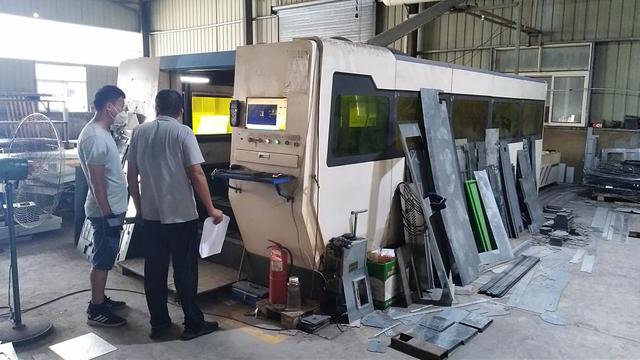
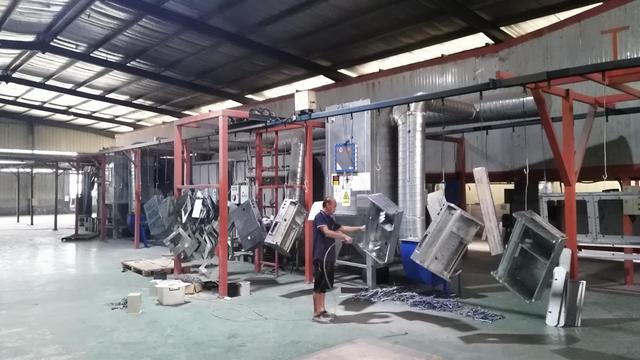
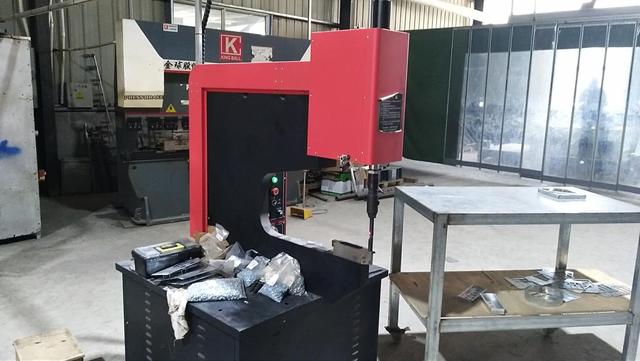
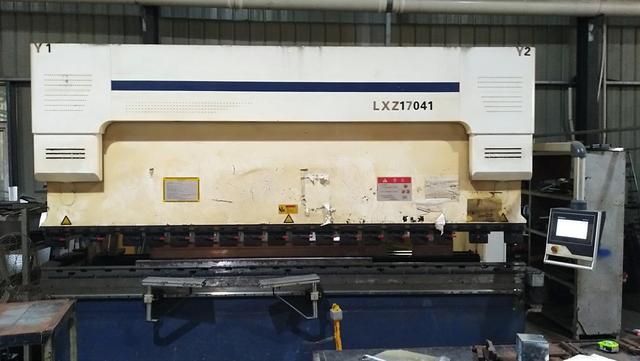
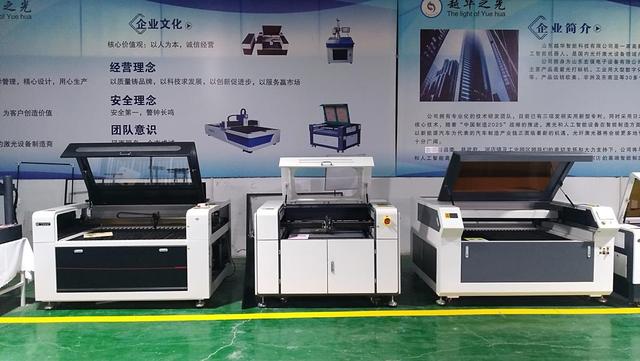
Analyzing the evolution of high-speed industrial marking systems through three developmental phases.
Early industrial systems experienced drift due to temperature shifts in galvanometer coils. Today, we address this with active thermal stabilization and optical sensors. These components monitor real-time scanner positions and automatically adjust coordinates to maintain beam alignment.
By processing imaging data directly on localized edge-computing modules, our CCD systems analyze 2D codes and alphanumerics instantly. This approach minimizes latency and maintains production throughput.
Future system integration targets depth-resolved sensor mapping. By implementing in-line OCT, systems will measure ablation depth in real-time, allowing dynamic power modulation to protect underlying layers.
Modern factories require marking systems that communicate directly with factory management systems. Kinray software interfaces with major ERP and MES systems, supporting automatic batch code retrieval and immediate serialization.
Explore our specialized line, including flying CO2 systems, portable handheld markers, and high-accuracy plastic film printers.
Common technical questions answered by our engineering and product integration teams.
CCD integration automates part alignment. A high-resolution industrial camera captures the component's position within the marking field and aligns the laser path to match. This eliminates the need for precision jigs, reduces setup times, and lowers reject rates by preventing misaligned marks.
UV lasers (355 nm) operate through "cold processing," breaking molecular bonds with minimal heat generation. This enables high-contrast marking on plastics and glass without thermal damage. Fiber lasers (1064 nm) rely on thermal absorption, which is ideal for engraving metals but can cause melting or discoloration on sensitive polymers.
We use high-grade galvanometers with integrated temperature control sensors. When thermal drift is detected, the control card applies coordinate offsets based on real-time feedback, keeping the focal point stable.
Yes. We offer SDK libraries and configuration support to connect our software with plant PLCs (using Profinet, Modbus, or TCP/IP protocol layers). Additionally, we provide custom mount designs, automated feeding systems, and specialized shielding enclosures to fit your production lines.
Our systems comply with European CE directives (including Machinery and Electromagnetic Compatibility directives) and are registered with the US FDA CDRH for Class 1 or Class 4 laser safety compliance, ensuring smooth customs clearance and compliant operation worldwide.
 Kinray Laser