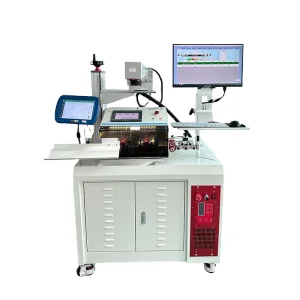
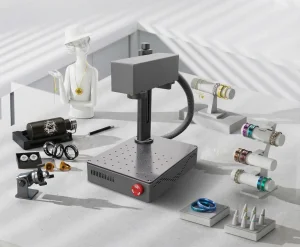
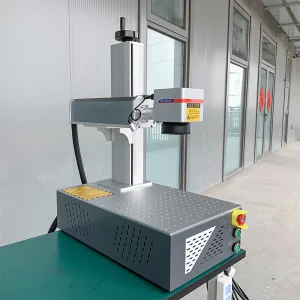
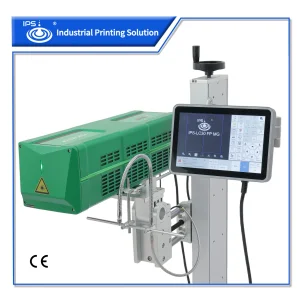
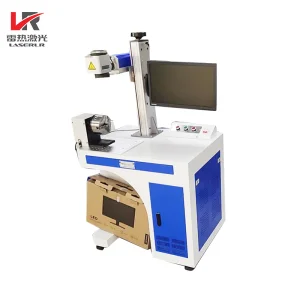
Explore our state-of-the-art configurations for high-speed fiber, high-precision UV, and flexible portable systems designed for structural component tracing and processing.
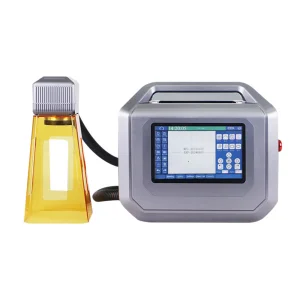
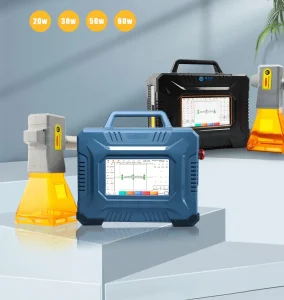
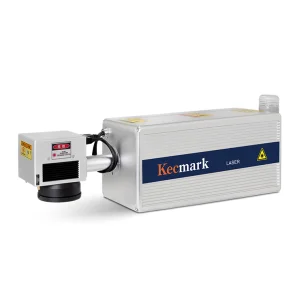
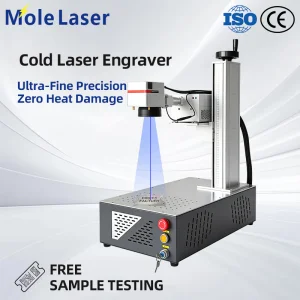
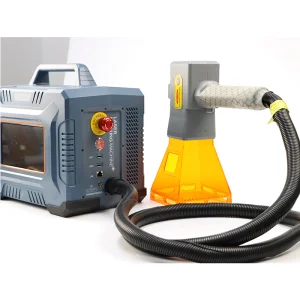
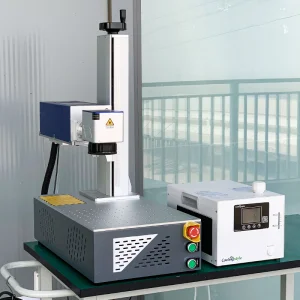
Hangzhou Kinray Laser Co., Ltd. stands at the forefront of China's high-tech manufacturing sector as a leading industrial laser marking machine manufacturer and exporter. Specializing in advanced fiber, ultraviolet (UV), carbon dioxide (CO₂), and MOPA laser systems, we support global industries in realizing traceabilities, process optimizations, and intelligent production flows. We integrate scientific research, precise manufacturing, global business development, and ongoing technical support into a unified framework to provide complete, scalable laser solutions.
Strategically headquartered in Hangzhou, China, our state-of-the-art facilities produce systems engineered for high durability and consistent accuracy. Our extensive product portfolio includes fiber laser marking machines, UV laser marking machines, CO₂ laser marking systems, MOPA laser markers, flying inline marking machines, 3D dynamic focusing laser systems, and custom automated integration workflows.
Kinray Laser products are widely implemented across the electronics, automotive, medical, hardware, jewelry, packaging, aerospace, consumer goods, and heavy manufacturing sectors. Designed for high-speed and permanent identification, our systems process a broad spectrum of substrates including metals, plastics, industrial polymers, glass, and multi-layered composites.
"We maintain rigorous control throughout every stage of design and manufacturing. Our modular systems ensure seamless field upgrades and seamless PLC communication over standard industrial protocols."
Evaluating the shifting macroeconomic drivers and manufacturing requirements influencing industrial laser technology.
The manufacturing landscape is undergoing a digital transition defined by Automation, Internet of Things (IoT) networking, and strict tracking compliance. Regulatory agencies globally—such as the FDA in the United States for Medical Device UDI (Unique Device Identification) and European Union directives for battery and electronics recycling—require durable, permanent marking on industrial components. Traditional inkjet printing faces challenges due to running costs and environmental impact, driving the adoption of clean, contactless laser marking systems.
From a global market perspective, demand differs by region based on local industrial strengths:
Furthermore, sustainability goals encourage manufacturers to transition away from chemical consumables. By eliminating solvents and inks, Kinray’s industrial laser systems assist manufacturers in reducing carbon emissions while lowering total cost of ownership (TCO) across the equipment lifecycle.
A technical comparison of industrial wavelengths and core applications for system integration engineering.
Operating at a wavelength of 1064nm, fiber lasers provide high efficiency for metal processing. Ideal for carbon steel, stainless steel, aluminum, brass, and dense polymers. Used for serial numbers, barcodes, and high-contrast metal marking.
Operating at 355nm, UV laser systems utilize "cold processing" to perform chemical bonding alterations with minimal thermal stress. Suitable for sensitive plastics, thin-film packaging, glass substrates, and medical polymers requiring clean edges.
MOPA lasers provide adjustable pulse widths to achieve color markings on stainless steel and anodized aluminum. CO₂ systems at 10.6µm are suitable for organic materials like wood, paper, leather, and clear acrylics.
Our systematic approach to customized equipment engineering, ensuring integration with existing production networks.
Evaluating production line metrics, physical footprints, software demands, and safety requirements to outline structural parameters.
Selecting laser sources (Raycus, JPT, Max, IPG), galvo scanners (Sino-Galvo), and custom f-theta lenses to match target cycle speeds.
Configuring control systems (EZCAD, LightBurn, or proprietary SDKs) to interface with databases, PLCs, and manufacturing execution systems (MES).
Conducting extended stress tests, thermal profiling, and beam stability analysis to ensure compliance with global standards before dispatch.
Examining practical application scenarios across various manufacturing sectors.
In electric vehicle (EV) battery pack manufacturing, structural integrity and component traceability are critical. Kinray's 50W and 100W fiber systems are configured to engrave DataMatrix codes directly onto cast aluminum housings and copper bus bars. The marking system operates within robotic assembly lines, receiving trigger signals via Profinet or Ethernet/IP and reporting mark verification data in real-time. This dynamic workflow ensures that raw material tracking data is recorded for the lifetime of the vehicle.
Medical devices, such as surgical instruments and implants made of titanium or medical-grade stainless steel, require marking that resists corrosion and repeated sterilization cycles. Using UV and MOPA laser systems, our configurations perform non-destructive chemical marking. This technique alters the surface molecules without leaving micro-cracks or physical crevices, helping to prevent bacterial growth and ensuring compliance with regulatory tracking guidelines.
As electronic packages shrink, marking micro-codes on FR4 boards or integrated circuit packaging requires precise spot sizes. Our UV laser marking configurations focus to spot diameters below 20 micrometers, allowing readable 2D codes on spaces smaller than 1.5mm x 1.5mm. By adjusting pulse width and frequency, manufacturers can mark without damaging inner circuitry or thermal layers.
For consumer goods and dairy lines, production speed dictates coding choices. Kinray’s flying CO₂ and UV laser markers are configured alongside high-speed assembly systems to print batch numbers and expiration dates onto PE bottles, laminated films, and metal cans. Galvo mirrors handle continuous coding at line speeds exceeding 250 meters per minute, providing clean marks without stopping the conveyor line.
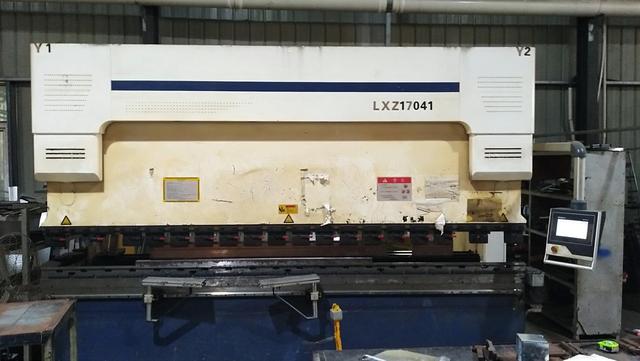
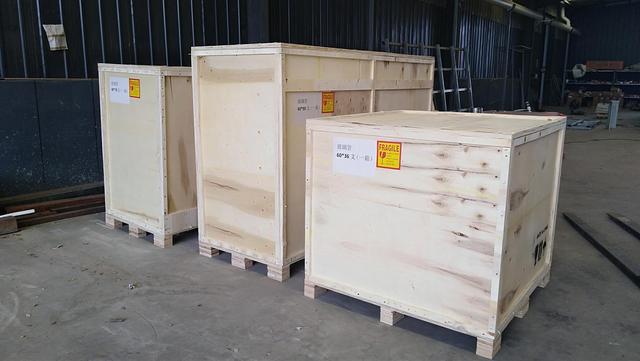
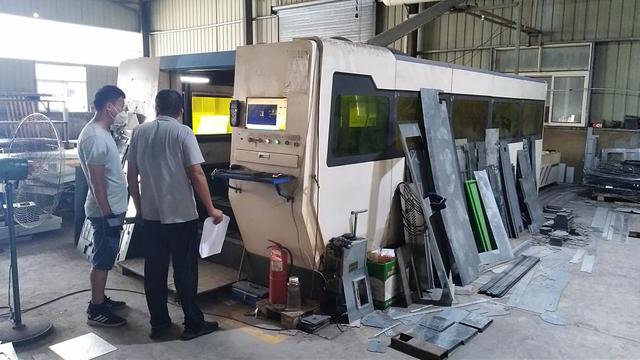
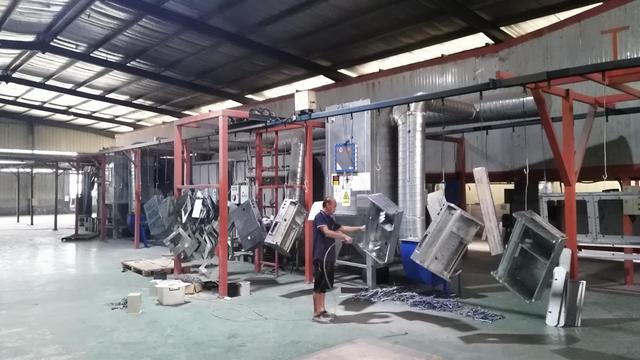
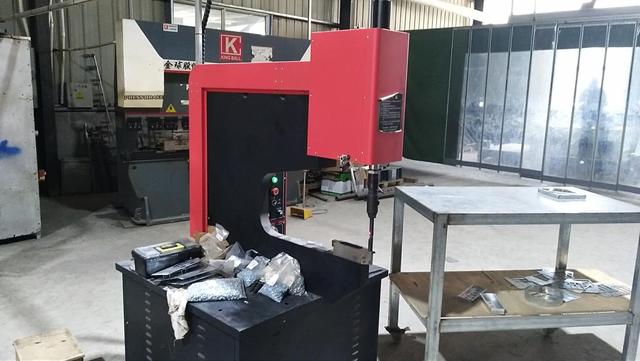
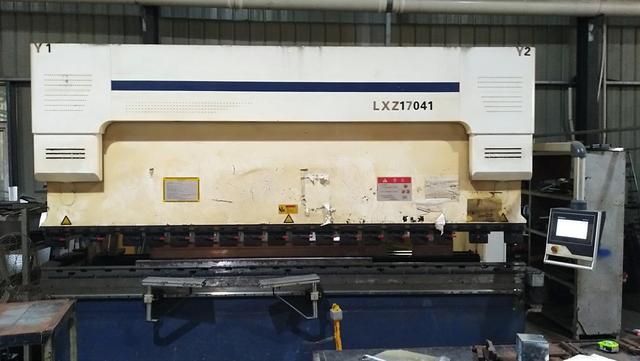
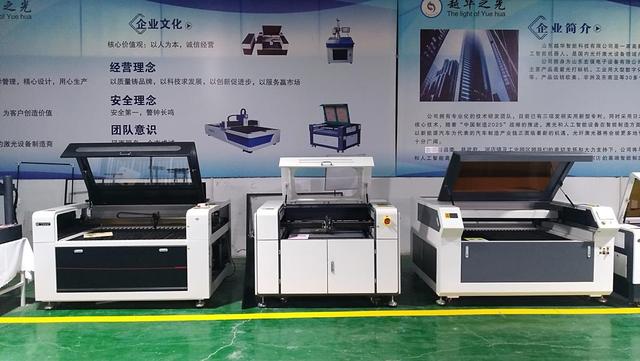
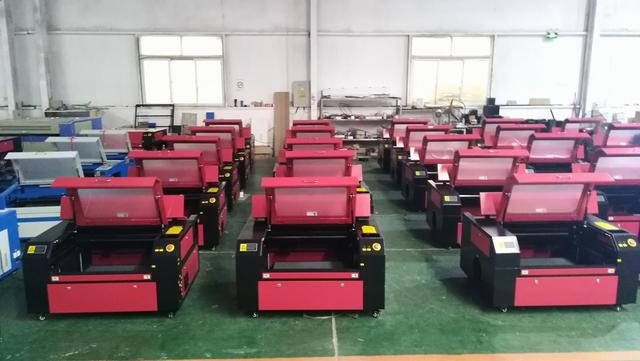
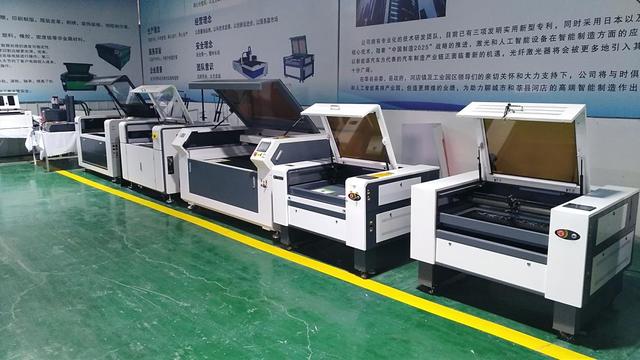
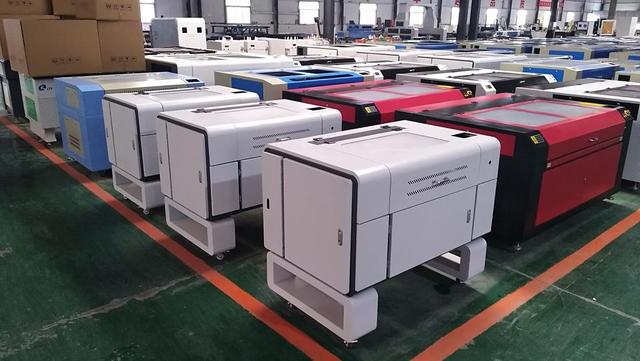
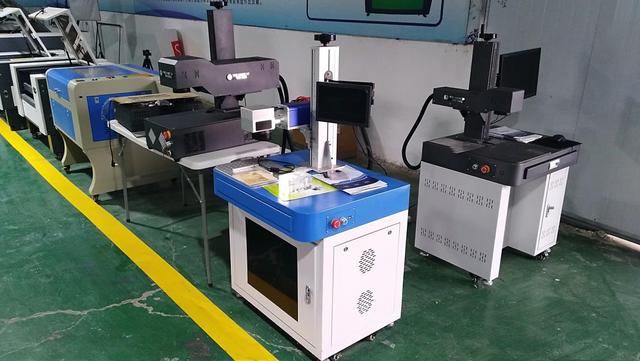
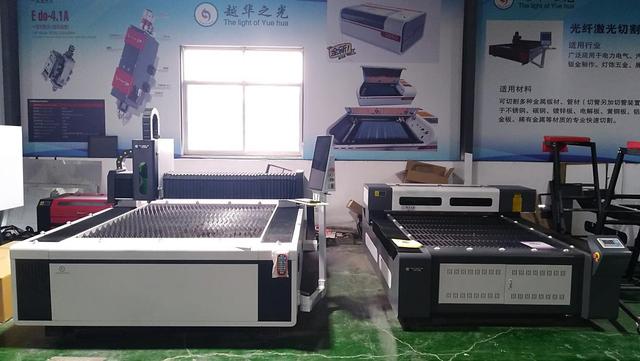
Inside Hangzhou Kinray Laser Co., Ltd. - Manufacturing precision, strict QC, and engineering infrastructure.
Analyzing future trends in precision optics and intelligent software interfaces.
The next generation of industrial marking technology is linked with machine vision and artificial intelligence. Our R&D efforts are focused on integrating high-resolution digital cameras coaxially within the optical path. This allows the laser software to detect product orientation automatically, apply optical distortion correction, and execute precise marking without mechanical positioning fixtures.
Additionally, we are developing IoT diagnostic modules for our laser controllers. These modules monitor system metrics—such as laser source temperature, diode current degradation, and scanner vibration profiles—in real time. The data is reported back to maintenance teams, enabling predictive servicing and reducing unplanned downtime on high-throughput assembly lines.
Answers to common technical queries regarding installation, customized optical setup, and global shipping policies.
Fiber systems operate at 1064nm, relying on thermal processes to melt or engrave metallic surfaces. UV systems operate at 355nm, using higher energy photons to alter molecular bonds directly. This minimizes the heat-affected zone (HAZ), making UV lasers suitable for sensitive plastics, thin films, and glass.
Our equipment features standard RJ45 Ethernet, RS232, and digital I/O ports. They support communication protocols such as Modbus, TCP/IP, and Profinet, allowing programmers to interface the laser directly with PLCs (Siemens, Allen-Bradley, Beckhoff, etc.) and Manufacturing Execution Systems (MES).
We offer customization across multiple levels, including custom branding, frame designs, integration of specific laser sources (JPT MOPA, Raycus, IPG), custom software skins, and custom lens/shuttle systems to fit unique manufacturing spaces.
Our laser marking machines are compatible with EZCAD2 and EZCAD3 platforms, alongside customized variants supporting LightBurn for standard benchtop systems. File formats such as DXF, PLT, AI, BMP, JPG, and standard vector/raster files are supported directly.
We build both Class 4 (open-frame handheld/flying machines) and Class 1 (fully enclosed safety cabinet with laser-grade inspection glass) systems. All industrial shipments include certified safety goggles, interlock loop connectors, and emergency stop switches matching international CE directives.
All Kinray machines include a comprehensive 24-month warranty on the laser source. In the event of system issues, our engineering team provides remote diagnostics via specialized connection tools within 24 hours. Replacement parts can be dispatched globally via priority courier.
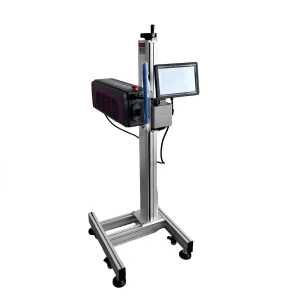
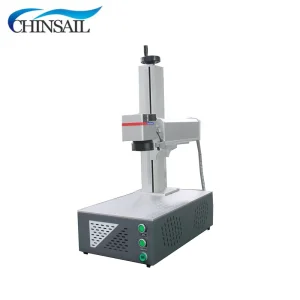
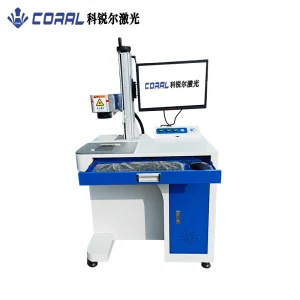
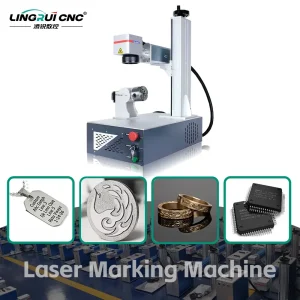
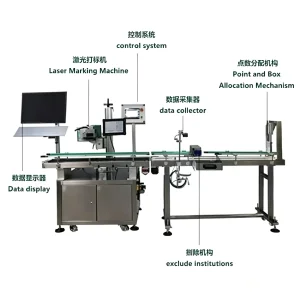
Discover our selection of CO₂ flying lasers, desktop cabinets, and high-frequency MOPA marking configurations.
 Kinray Laser